
Bathroom Safety for Seniors
A complete room-by-room guide
The bathroom is one of the most common places for falls among older adults, wet floors, hard surfaces, and the physical demands of getting in and out of a tub or off a toilet all add up to real risk. The good news is that most bathroom falls are preventable with the right setup. This guide walks through the bathroom zone by zone, covering what to look for and why it matters.
Why the Bathroom Is a Fall Risk Zone
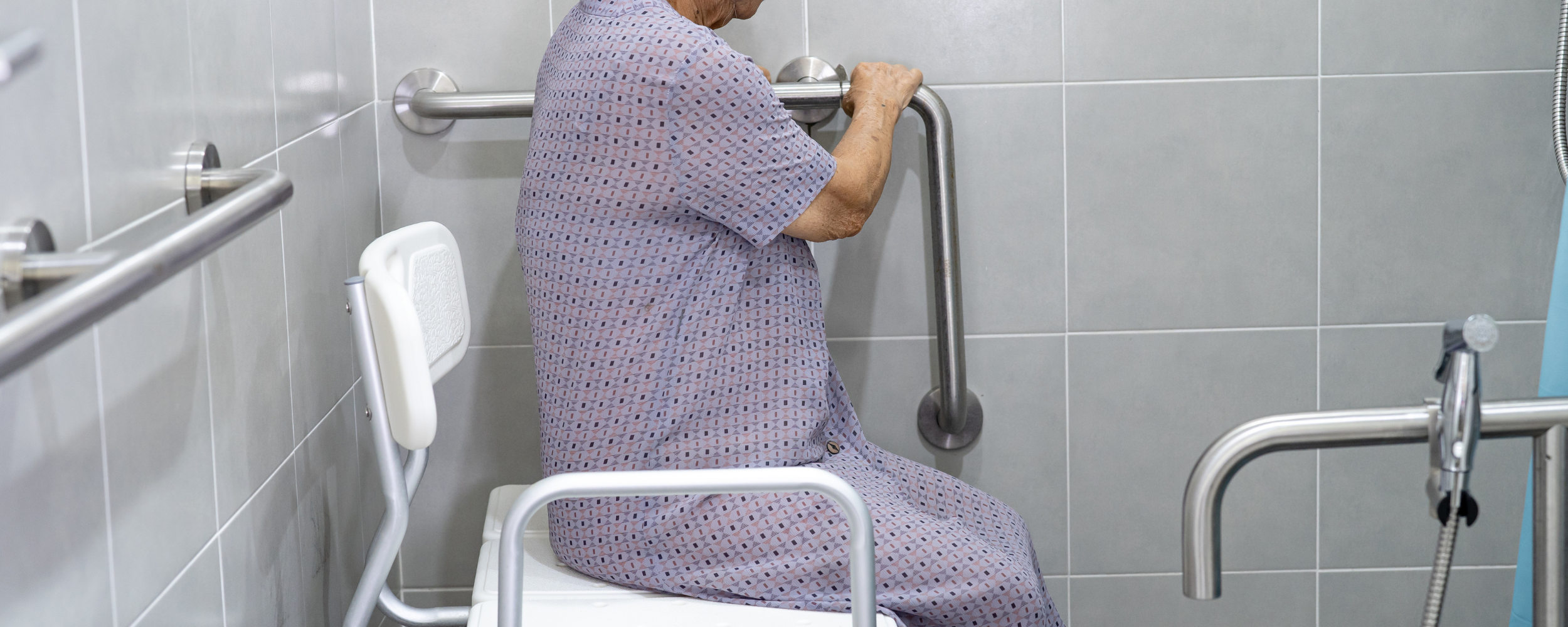
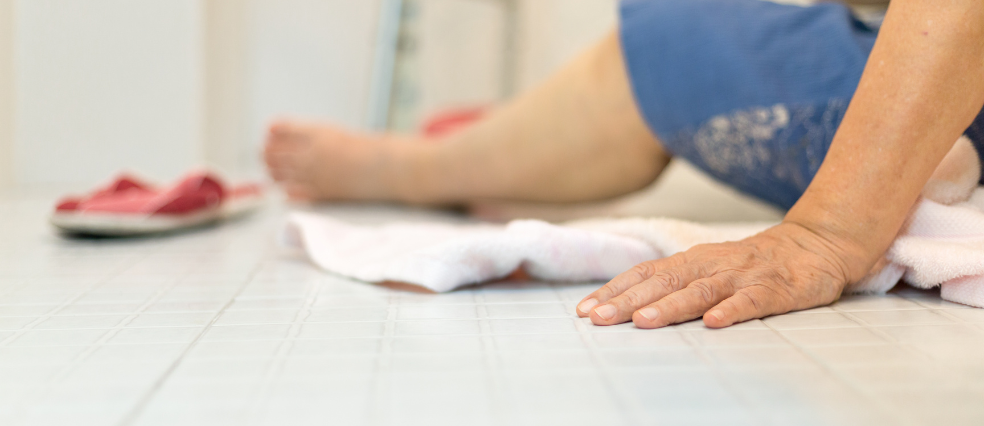
Bathrooms combine several fall risk factors at once: wet, slippery surfaces; hard tile that increases injury severity if a fall does occur; and physical transitions (sitting to standing, stepping over a tub edge) that are especially demanding on balance and joint strength. For older adults or anyone with mobility limitations, these transitions are often the highest-risk moments of an entire daily routine.
In the Shower or Tub
The tub and shower are where the highest concentration of bathroom falls happens, here's what makes the biggest difference.
Non-Slip Mats and Strips
A textured, non-slip mat or adhesive strips on the tub or shower floor reduce the single most common cause of bathroom falls, a slick, wet surface underfoot. Look for options rated for wet environments with strong suction or adhesive backing.
Grab Bars
Properly mounted grab bars near the tub or shower entry give a stable point of support for stepping in and out, and for maintaining balance while standing to wash. Grab bars should be mounted into wall studs or with appropriate anchors, a bar that isn't securely mounted can do more harm than good if it gives way under weight.
Transfer Benches and Shower Chairs
For anyone with limited standing balance or endurance, a transfer bench (which spans the tub wall so a person can sit down outside the tub and slide across) or a shower chair placed inside the shower removes the need to stand for the entire duration of bathing. This is often one of the highest-impact changes for reducing fall risk and fatigue during bathing.
Bath Boards
Similar in purpose to a transfer bench but designed to sit across the width of the tub, a bath board gives a stable seated surface for bathing without needing to step fully into the tub.
At the Toilet
Raised toilet seats: Standard toilet height can be difficult for anyone with hip, knee, or back limitations to lower into or rise from safely. A raised toilet seat reduces the distance and effort needed for this transition, one of the most frequent bathroom movements in a day.
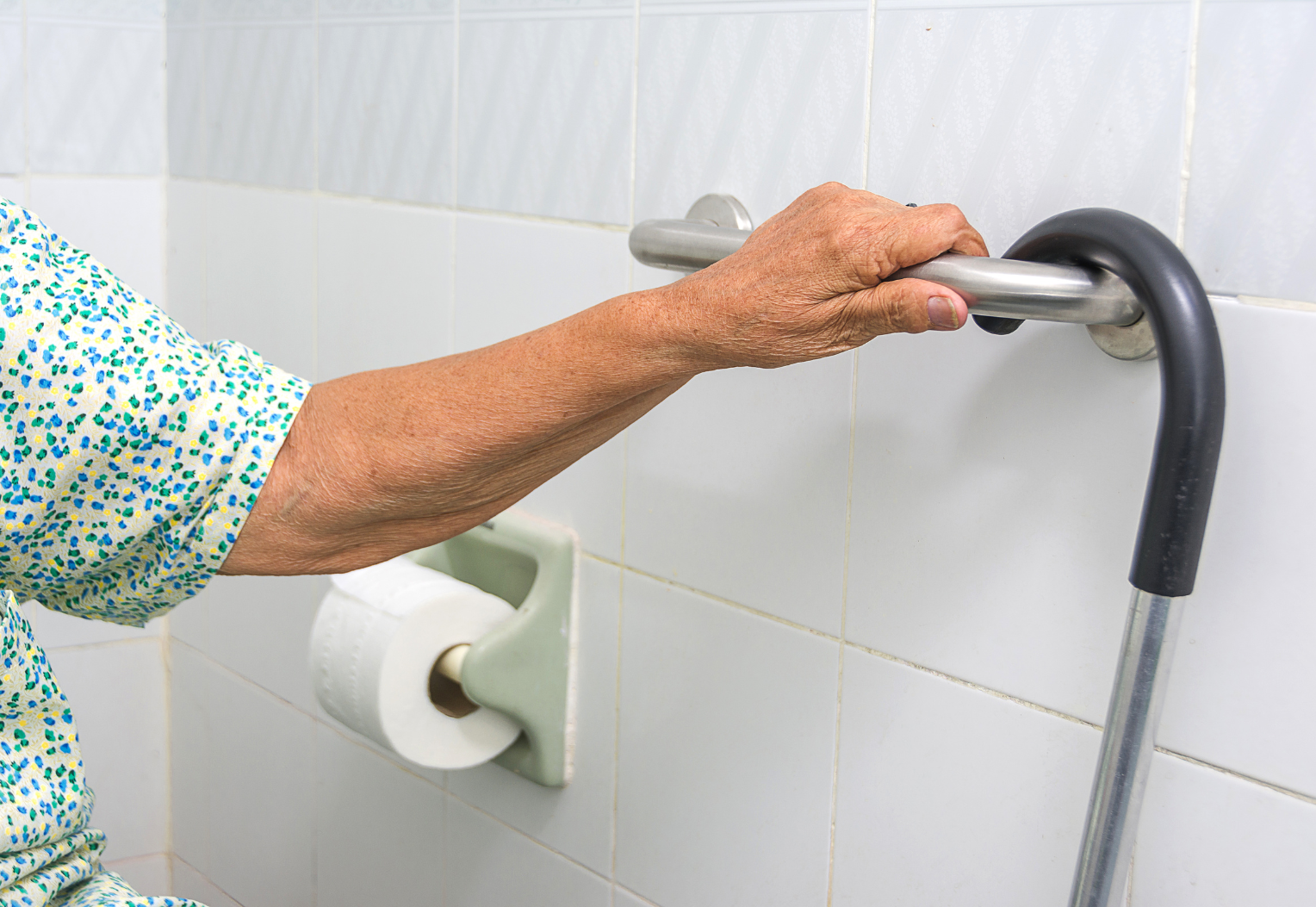
Toilet safety frames and grab bars: A frame or set of grab bars positioned around the toilet gives something secure to push up from and lower down onto, reducing reliance on an unstable countertop, towel bar, or wall edge (all common substitutes that aren't designed to bear weight).
On the Floor and at the Sink
Bath mats outside the tub/shower: A non-slip mat placed just outside the shower or tub catches water before it reaches the rest of the floor, and gives secure footing while drying off, a moment when many falls occur because attention shifts away from the floor.
Clear pathways: Bathrooms are often small, so removing loose rugs, excess furniture, or clutter between the sink, toilet, and shower reduces the chance of a trip.
Adequate lighting: Nighttime bathroom trips are a well-documented high-risk time for falls. A nightlight or motion-sensor light reduces the risk of missteps in low light.
Choosing the Right Combination for Your Situation
Not every bathroom needs every product, the right setup depends on the specific mobility challenges involved:
Balance Concerns, Able to Stand
Grab bars near the tub/shower and toilet, plus non-slip mats, are often sufficient.
Difficulty with Sit-to-Stand
A raised toilet seat and a shower/transfer bench address the two most demanding movements in the room.
Higher Fall Risk or Fatigue
A full transfer bench setup combined with a hand-held shower head allows bathing to happen almost entirely while seated.
Recovering from Surgery or a Fall
A more complete setup, grab bars, raised toilet seat, transfer bench, and non-slip flooring, is usually worth the investment during recovery, even if some items are needed only temporarily.
Frequently Asked Questions
Are suction-mounted grab bars as safe as ones mounted into the wall?
Wall-mounted bars anchored into studs are generally the most secure option, since they can bear full body weight reliably. Suction-mounted bars can be useful for lighter support or rental properties where drilling isn't possible, but they should be checked regularly and aren't recommended as the sole support for someone with significant balance or weight-bearing needs.
How do I know if I need a transfer bench or just a shower chair?
A transfer bench is generally better for anyone who has difficulty stepping over a tub wall, since it allows sitting down outside the tub first and sliding across. A shower chair works well for walk-in showers or for someone who can safely step into the shower but needs to sit once inside.
What height should a raised toilet seat be?
Raised toilet seats typically add a few inches of height, and the ideal amount depends on the individual's leg length and the specific challenges with sitting or standing. If you're unsure, it's worth checking with a healthcare provider or occupational therapist, especially after a hip or knee surgery.
Is a non-slip mat enough, or do I also need grab bars?
They address different parts of the same problem, a mat reduces the chance of slipping, while grab bars provide support during the physically demanding motion of standing up or stepping over. For anyone with real fall risk, both are generally recommended together rather than one instead of the other.
Final Thoughts
Bathroom falls are one of the most preventable risks in a senior's home, but preventing them usually means addressing several parts of the room at once, the floor, the tub or shower, and the toilet all present their own specific risks. A room-by-room review, focused on the moments of transition (sitting, standing, stepping over an edge), is the best starting point for figuring out what your bathroom actually needs.
