


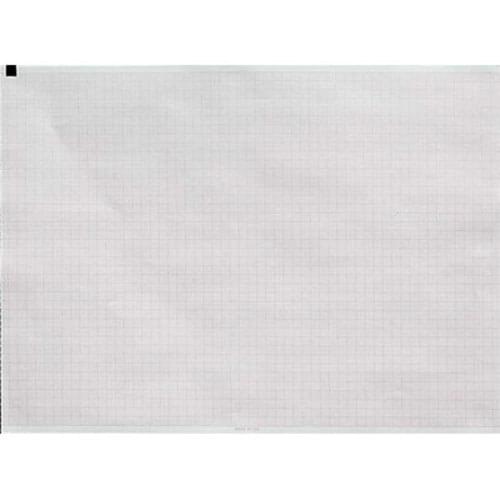
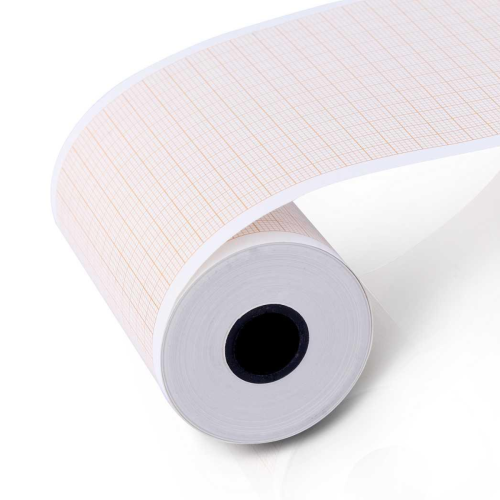
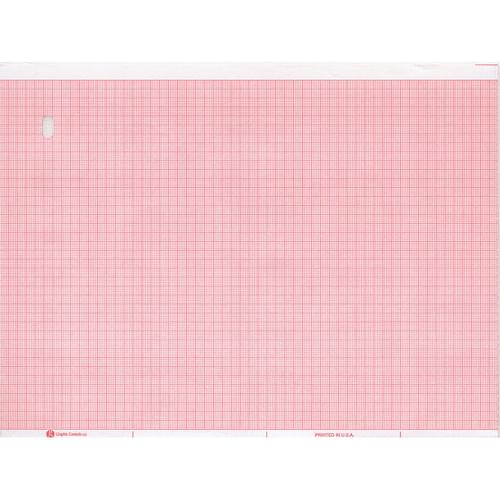
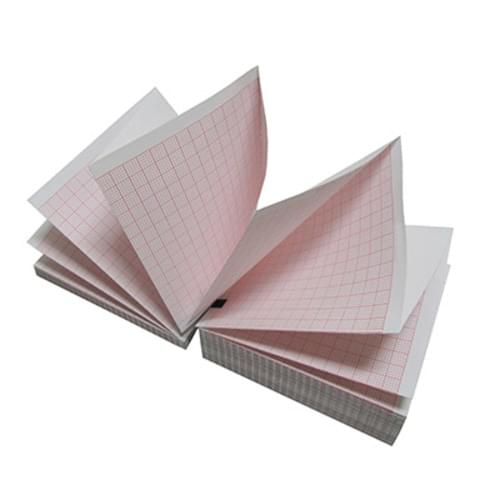
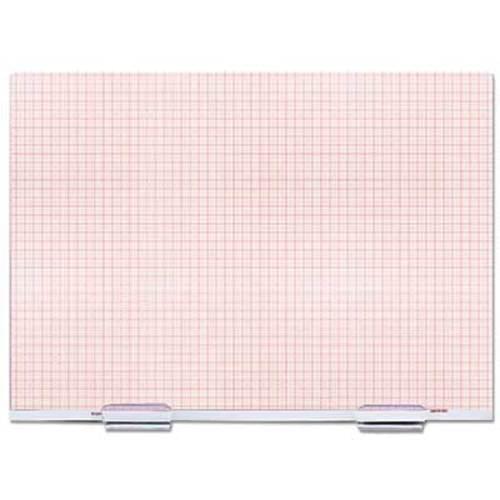
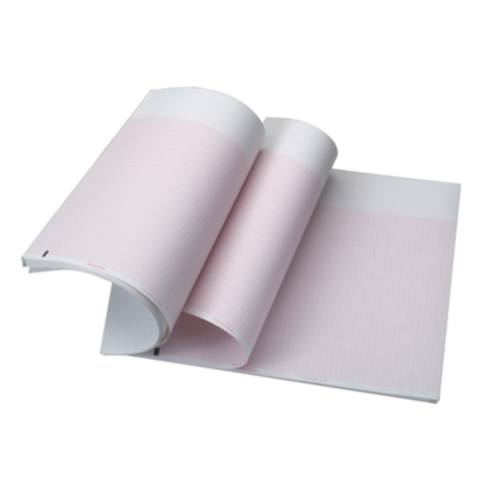
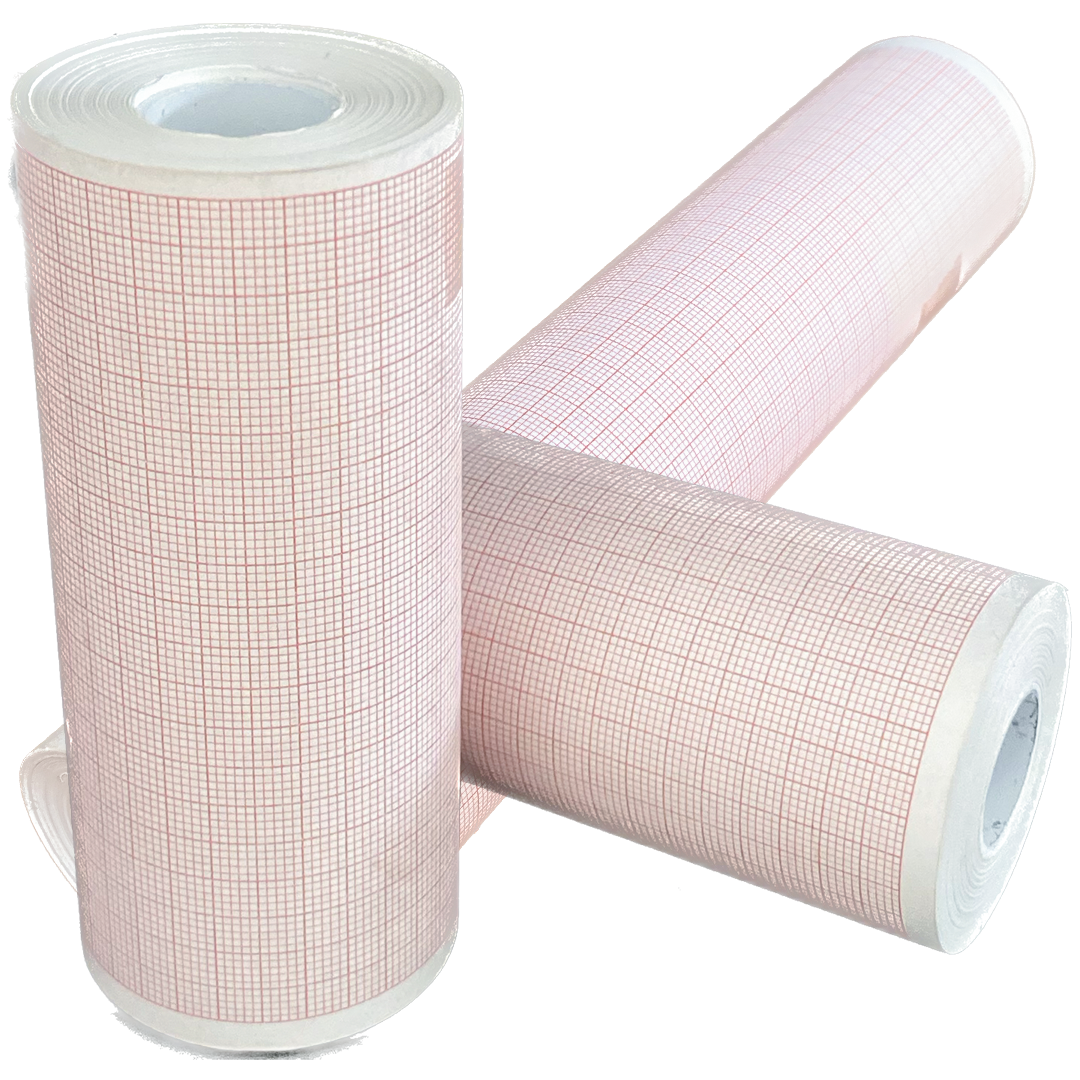
ECG thermal paper is heat-sensitive recording paper used by electrocardiographs to print patient tracings without ink or ribbons. Surgo carries ECG paper for the major cardiograph brands used in Canadian hospitals, clinics and physician offices, including Burdick, Edan, GE Marquette, Philips PageWriter, Schiller, Quinton and Welch Allyn, in Z-fold packs, rolls and pads. Because ECG paper is made to fit specific machines, choose your paper by cardiograph brand and model below to make sure the width, format and grid match your device.
Shop ECG Paper by Brand
- Burdick ECG Paper
- Edan ECG Paper
- GE Marquette ECG Paper
- Philips PageWriter ECG Paper
- Quinton ECG Paper
- Schiller ECG Paper
- Welch Allyn ECG Paper
- Other ECG and Thermal Printer Paper
How to Choose the Right ECG Paper
ECG paper is not interchangeable between machines. Before ordering, confirm the following:
- Cardiograph brand and model: The model number is usually found on a label on the back or underside of the unit. It is the most reliable way to match paper to your device.
- OEM part number: If you have a previous package or box, the manufacturer part number lets you match a replacement exactly.
- Format: Z-fold (fan-fold) packs, rolls or pads. Your machine only accepts one format.
- Paper width and length: Single-channel and multi-channel cardiographs use different paper widths.
- Grid and cue marks: Many papers have a printed grid and black cue marks that the machine reads to position each page. The wrong layout can cause misaligned or skipped printing.
Z-Fold vs. Roll vs. Pad ECG Paper
Z-fold paper is folded into stacked sheets and is common in 12-lead cardiographs, because it produces flat, page-separated reports that are easy to file in patient charts. Roll paper feeds continuously and is common in smaller or portable units and rhythm strip recorders. Pads are pre-cut stacks of sheets for specific devices. Use the format your cardiograph's manufacturer specifies.
Storing and Handling Thermal ECG Paper
Thermal tracings can fade or discolour over time. To protect paper stock and printed records:
- Store unused paper in a cool, dry place away from direct sunlight and heat sources.
- Keep printed tracings away from vinyl or plastic sleeves, adhesives, solvents and alcohol-based products, which can degrade the image.
- Load paper with the thermal (coated) side facing the print head.
- Rotate stock so older paper is used first.
- For long-term records, scan or digitally archive tracings according to your facility's retention policy.
Frequently Asked Questions
Can I use any ECG paper in my machine?
No. ECG paper is made for specific cardiograph models. Width, format, grid layout and cue marks all have to match your device for it to print correctly.
How do I know which ECG paper my cardiograph uses?
Find the model number on your cardiograph, or the OEM part number on your current paper packaging, and match it to the product listings in the brand category above.
Why does my ECG paper print blank?
The most common cause is paper loaded upside down. Thermal paper only prints on its coated side. Expired or heat-damaged paper and an incompatible paper type can also cause faint or blank tracings.
Why are my ECG printouts fading?
Thermal images are sensitive to heat, light, humidity and contact with plastics or solvents. Store tracings in paper folders away from light and heat, and scan records you need to keep long-term.
What is the difference between Z-fold and roll ECG paper?
Z-fold paper is folded into individual pages and is typical of 12-lead cardiographs. Roll paper feeds continuously and is common in compact units and rhythm strip printers. Your machine accepts only one type.
Don't see your cardiograph listed?
Check Other ECG and Thermal Printer Paper, or contact Surgo with your device model and we can help you find a compatible option.
