
How to Choose a Blood Glucose Meter in Canada
This article is for informational purposes only. Always consult your diabetes care team or pharmacist before changing how you monitor your blood sugar.
Quick Answer: How do I choose a blood glucose meter in Canada?
The best blood glucose meter for you depends on four things: accuracy, ease of use, the ongoing cost of test strips, and whether you want app connectivity. For most Canadians:
- Choose the Accu-Chek Guide if you want Bluetooth connectivity and seamless app integration.
- Choose the CONTOUR NEXT EZ if you prioritise large strip packs (100 per box) and proven accuracy.
- Choose the Alliance Blood Glucose Monitoring Kit if you're just starting out and want an affordable all-in-one starter kit.
All blood sugar readings in Canada are measured in millimoles per litre (mmol/L).
If you or someone you care for has recently been diagnosed with diabetes, or if your current meter is due for an upgrade, choosing the right blood glucose monitor can feel overwhelming. Walk into any pharmacy or browse online and you'll find dozens of options, each claiming to be the most accurate, the easiest to use, or the best value.
The reality is that the best glucose meter isn't the same for everyone. A busy parent monitoring a child with Type 1 diabetes has very different needs from a senior managing Type 2 through diet and lifestyle, or a healthcare professional running point-of-care testing in a clinic.
This guide cuts through the noise. We explain exactly what to look for in a blood glucose meter, walk you through the key factors that affect your decision, and give you honest, practical recommendations based on the products we carry at Surgo Surgical Supply, trusted brands used by Canadian patients and healthcare professionals for decades.
Understanding Blood Glucose Meters: The Basics
What Is a Blood Glucose Meter?
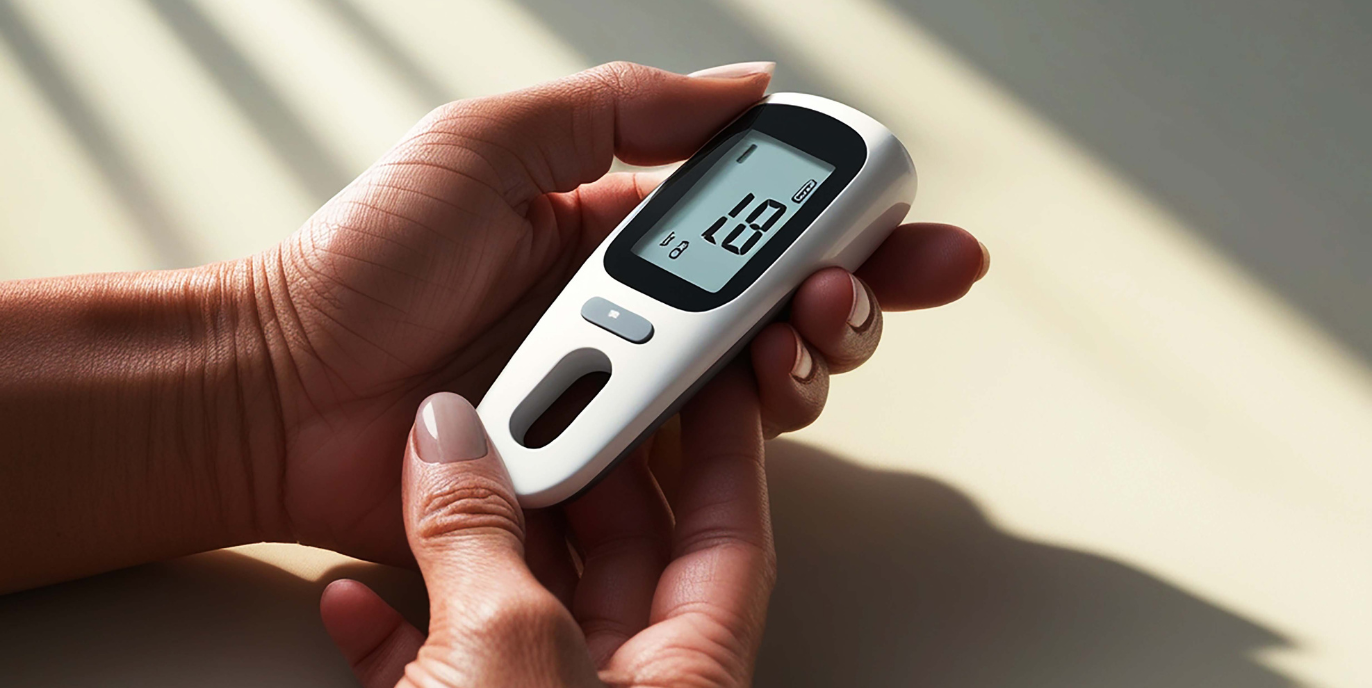
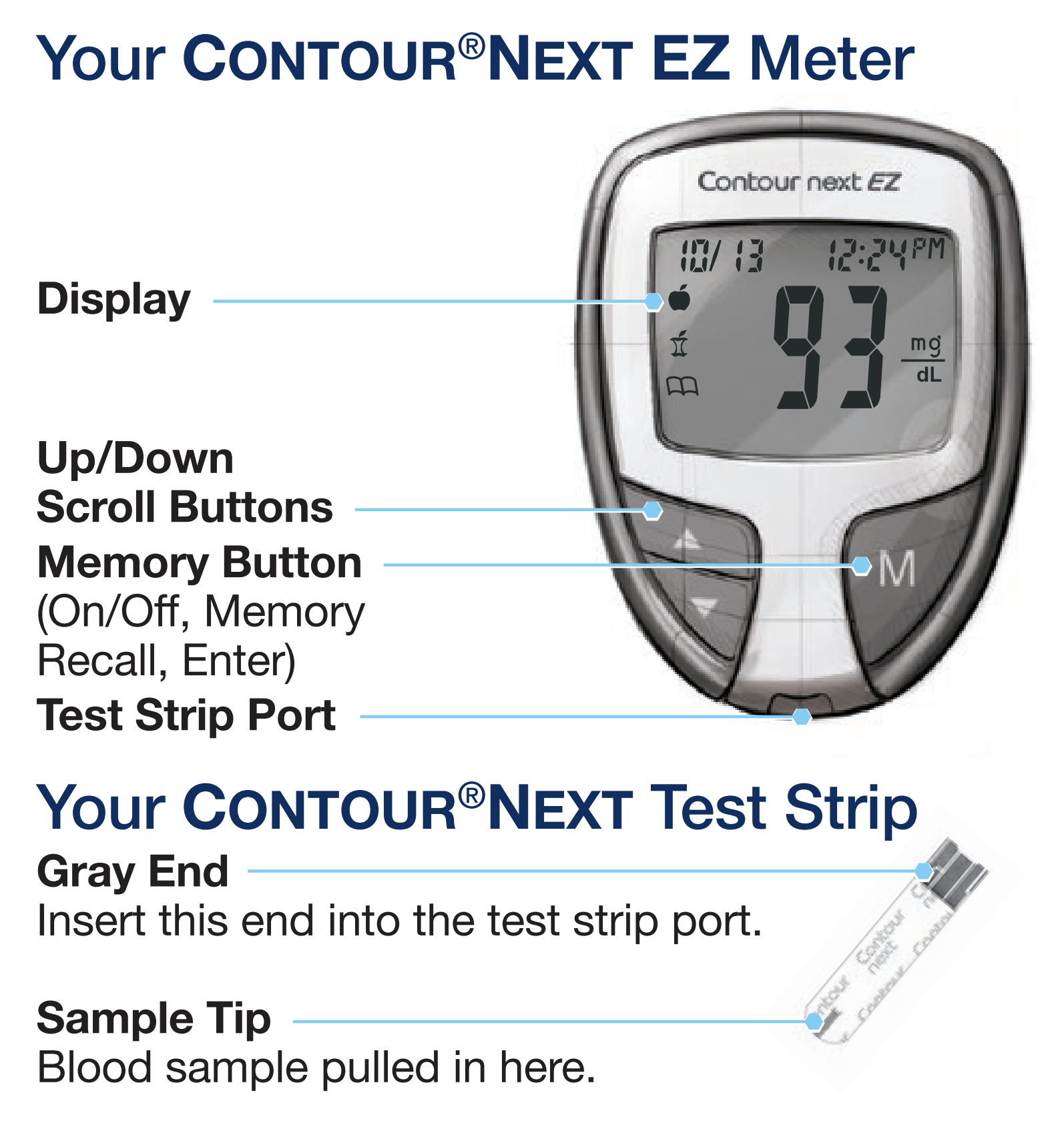
A blood glucose meter (also called a glucometer or blood sugar monitor) is a small handheld device that measures the concentration of glucose in your blood. You obtain a small blood sample — typically from your fingertip using a lancet — and apply it to a disposable test strip inserted into the meter. Within seconds, your meter displays a reading in millimoles per litre (mmol/L), which is the standard unit used in Canada.
Regular blood glucose monitoring gives you a real-time picture of how your blood sugar responds to meals, physical activity, stress, illness, and medication. For people with diabetes, this data is fundamental to staying in a safe, healthy range — and avoiding the serious complications that come with prolonged high or low blood sugar.
How Is This Different from a Continuous Glucose Monitor (CGM)?
A CGM uses a small sensor inserted just under the skin to measure glucose continuously throughout the day and night, sending readings wirelessly to a smartphone or receiver. CGMs require a prescription in Canada and come at a significantly higher cost — both upfront and ongoing.
Traditional fingerstick meters remain the most widely used blood glucose monitoring method in Canada. They are affordable, widely covered by provincial drug benefit plans and private insurance, and require no prescription. For the majority of Canadians managing Type 1 or Type 2 diabetes — particularly those newly diagnosed — a standard blood glucose meter with test strips is the right starting point.
💡 Did You Know?
In Canada, blood glucose is measured in mmol/L (millimoles per litre). If you encounter glucose readings in mg/dL — the unit used in the United States — you can convert by dividing by 18. For example, 126 mg/dL = 7.0 mmol/L. All meters sold in Canada display results in mmol/L.
The 6 Key Factors to Consider When Choosing a Glucose Meter

Factor 1: Accuracy
Accuracy is critical for blood glucose meters, especially for insulin users, as errors can lead to dangerous dosing mistakes. The ISO 15197:2013 standard ensures 95% of readings are within ±15% of a lab reference value. Devices like the Accu-Chek Guide and CONTOUR NEXT EZ meet or exceed this standard, while the Alliance monitor meets requirements for routine use.
Factor 2: Ease of Use
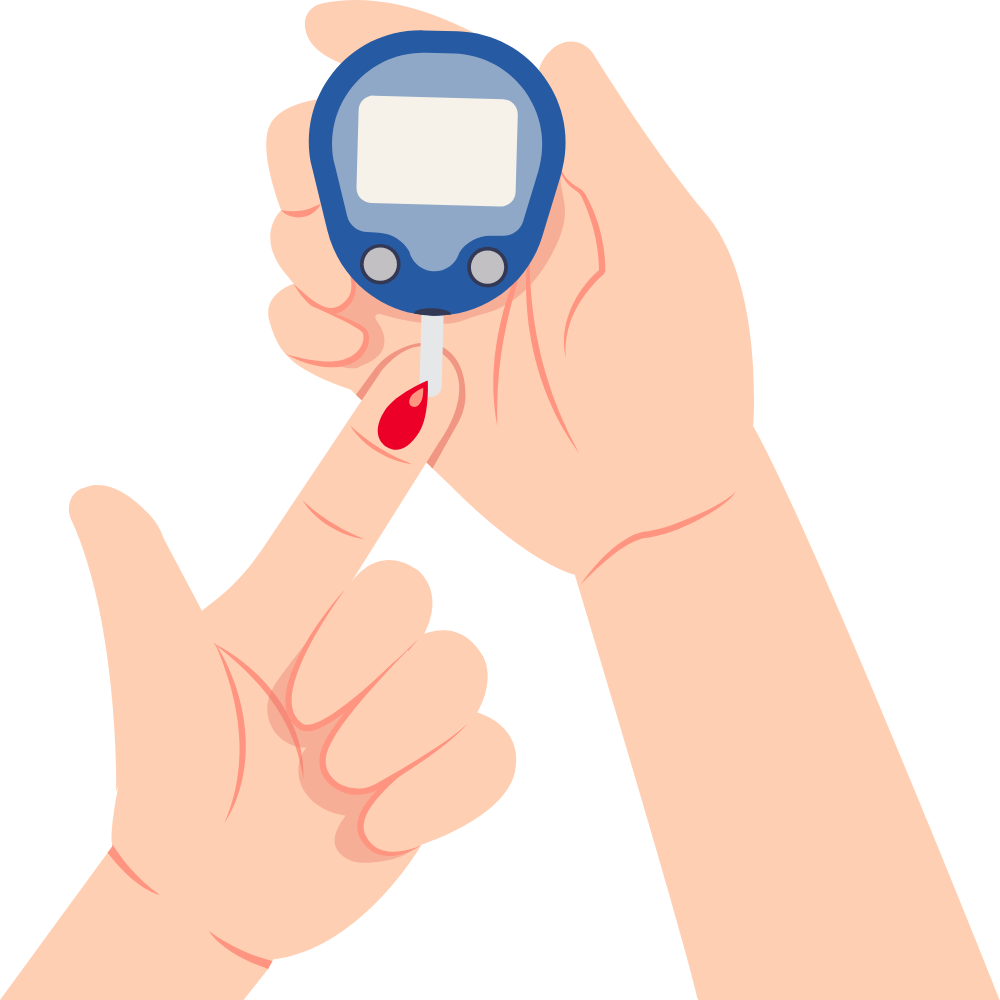
When choosing a meter, consider ease-of-use features like strip insertion, display size and contrast, button layout, blood sample size, and result time. These aspects are especially important for children, seniors, or those with visual impairments. Modern meters often provide quick results and require smaller blood samples for easier, less painful testing.

Factor 3: The Ongoing Cost of Test Strips
Test strips are the most underestimated recurring cost of owning a glucose meter. Test strips are a recurring cost you will pay every month, potentially for the rest of your life. Since you may use 60-120 strips per month depending on your testing frequency, the price per strip adds up. Buying in bulk can lower the cost, and it's worth checking if your health plan offers coverage.
Factor 4: App Connectivity
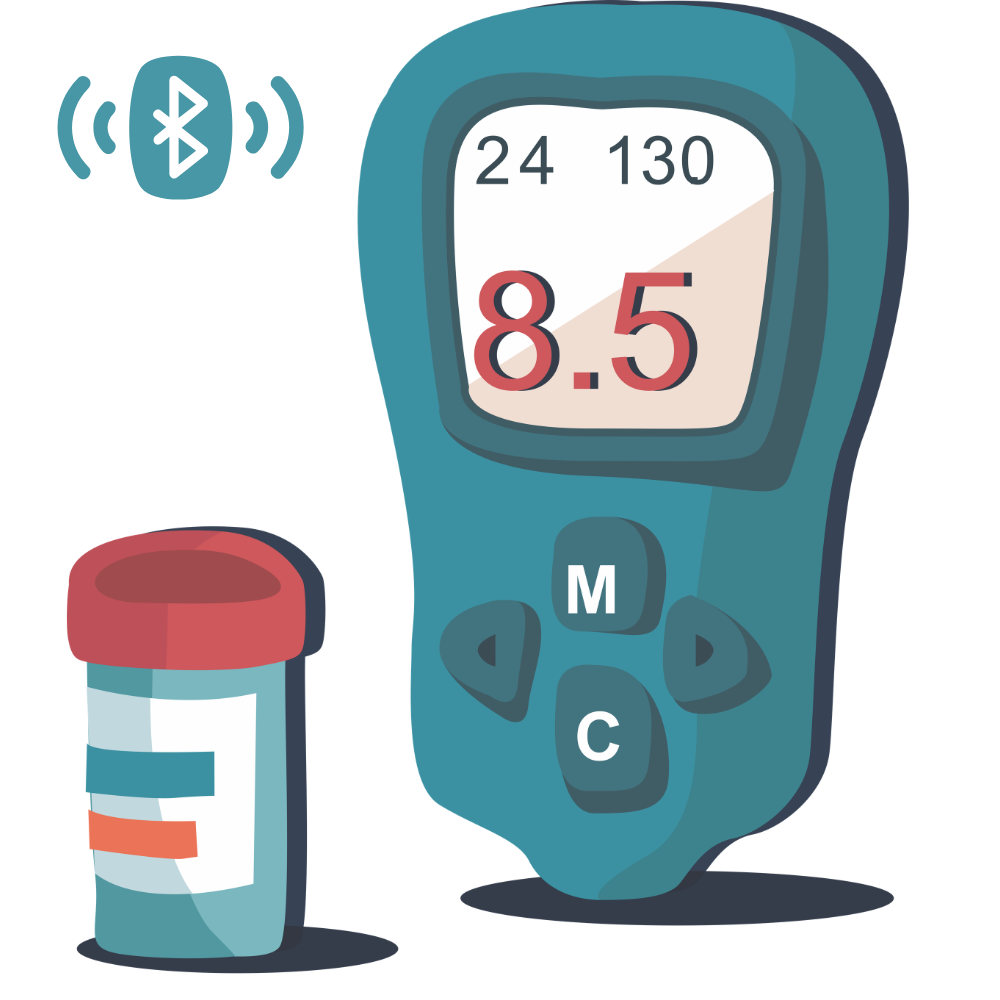
Modern blood glucose meters now often feature Bluetooth and app connectivity, making it easier to track readings, identify trends, and share data with healthcare providers. Options like the Accu-Chek Guide and CONTOUR NEXT EZ pair with apps for automatic syncing, trend analysis, and data sharing. Simpler devices like the Alliance Blood Glucose Kit store readings on the device, ideal for users who prefer a straightforward approach.

Factor 5: Who Will Be Using the Meter
Newly diagnosed adults benefit from beginner-friendly options like the Alliance Kit or CONTOUR NEXT EZ. Children and teens need compact meters with app connectivity. Type 1 diabetes requires accuracy and frequent testing with options while for Type 2 diabetes, affordable solutions like the Alliance Kit are practical. Senior users can benefit from larger displays and easy-to-use features.
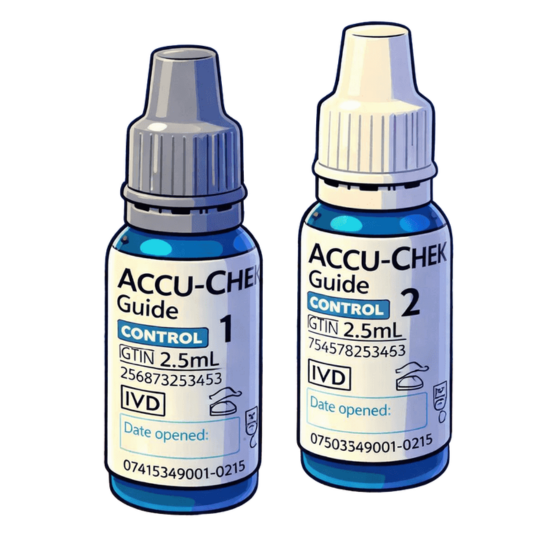
Factor 7: Control Solutions
A glucose control solution is a liquid with a known amount of glucose used to check if your glucose meter and test strips are working correctly. You should perform a control test when you open new strips, drop your meter, get unusual readings, or if the meter has been in extreme temperatures. Surgo offers various control solutions, including CONTOUR NEXT, Alliance, and Roche Accu-Chek.
Our Top Recommendations: Which Meter Is Right for You?
Based on the products we carry at Surgo, here are our three recommended blood glucose meters for Canadian patients and healthcare professionals — and who each one is best suited to.
Side-by-Side Comparison: Accu-Chek Guide vs CONTOUR NEXT EZ vs Alliance
The table below summarises the key specifications of the three meters available at Surgo. Use it as a quick reference when making your decision.
| Feature | Accu-Chek Guide | CONTOUR NEXT EZ | Alliance Monitoring Kit |
|---|---|---|---|
| Strips available at Surgo | Yes — Accu-Chek Guide strips (box of 50) | Yes — CONTOUR NEXT EZ strips (box of 100) | Yes — Alliance strips (box of 100) |
| Blood sample size | 0.6 µL | 0.6 µL | 1.0 µL |
| Result time | 4 seconds | 5 seconds | 8 seconds |
| Memory / data storage | 500 readings | 480 readings | 300 readings |
| App connectivity | Yes — myAccu-Chek (Bluetooth) | Yes — CONTOUR DIABETES app | No |
| ISO 15197:2013 accuracy | ✓ Yes | ✓ Yes | ✓ Yes |
| Starter kit / all-in-one | No (meter only) | No (meter only) | Yes — includes lancets & strips |
| Best for | App users, Type 1 & Type 2 | Data-focused users, large strip packs | First-time users, budget buyers |
Quick Decision Guide: Which Meter Should You Choose?
Answer these three questions to get to your recommendation in under a minute.
Frequently Asked Questions
Ready to Order? Shop Blood Glucose Monitors at Surgo
Surgo Surgical Supply has been serving Canadian patients, clinics, and healthcare professionals for over 50 years. We carry a trusted range of blood glucose meters, test strips, and control solutions from Accu-Chek, CONTOUR NEXT, OneTouch, and Alliance — all priced below standard list price with fast Canada-wide shipping.
Have a question about which meter or supplies are right for your situation?
Our team is happy to help.
Sources & Further Reading
This article references the following authoritative sources. Surgo recommends consulting your diabetes care team for personalised advice.
- Diabetes Canada Clinical Practice Guidelines — diabetes.ca/guidelines
- Health Canada — Medical Devices: Blood Glucose Meters — canada.ca
- ISO 15197:2013 — In vitro diagnostic test systems — iso.org
- Accu-Chek Guide product information — accu-chek.ca
- CONTOUR NEXT EZ product information — contournext.com
