
Understanding N95 Respirators: A Complete Guide
Whether you're a healthcare professional, facility manager, or simply looking to protect yourself and others, understanding N95 respirators is essential. This guide breaks down everything you need to know about these critical protective devices.
N95 respirators represent the gold standard in respiratory protection for healthcare and industrial environments. Unlike standard masks, these precision-engineered devices create an airtight seal that filters at least 95% of airborne particles, protecting wearers from inhaling hazardous contaminants.
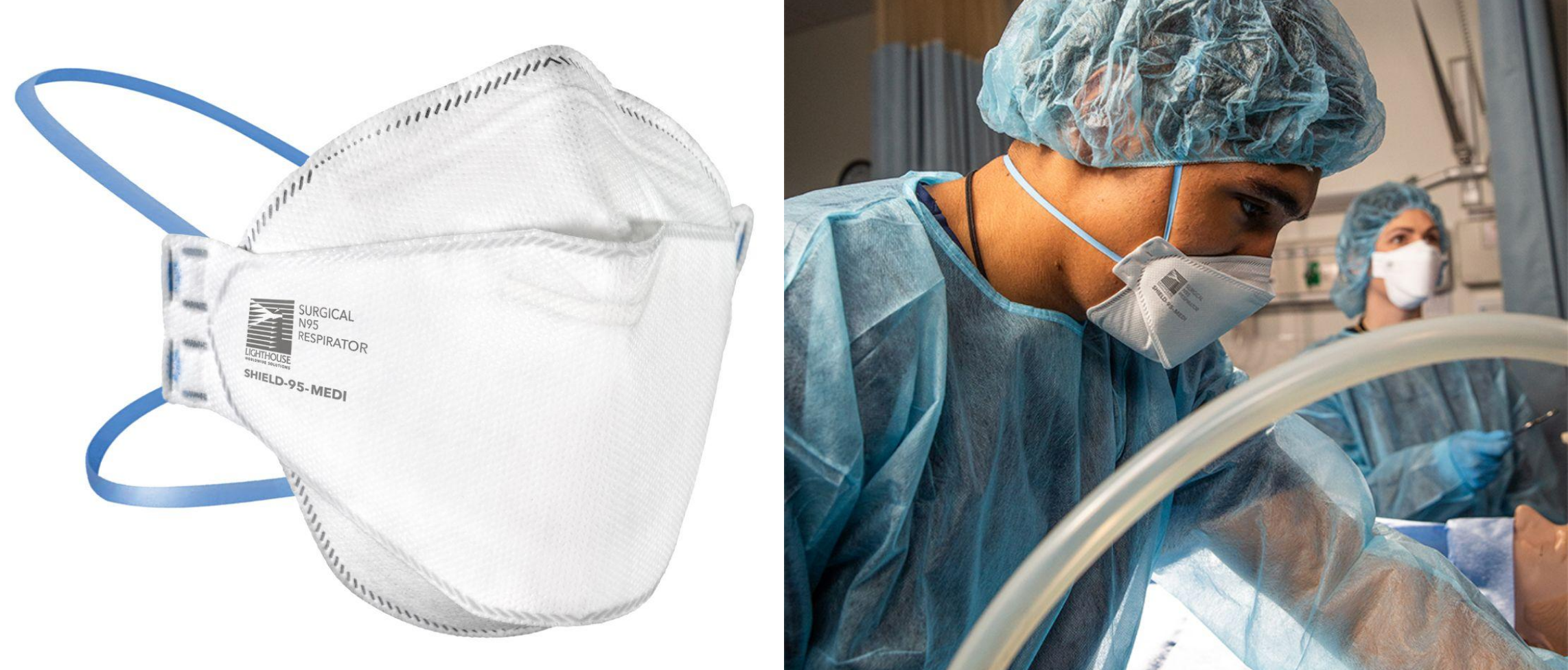
What Makes N95 Respirators Different?
N95 respirators are high-filtration face masks designed to create an airtight seal around your nose and mouth. Unlike standard surgical masks that primarily prevent the wearer from spreading particles to others, N95s are engineered to protect the wearer from inhaling airborne hazards.
The key distinguishing feature is the tight facial fit. When properly fitted, these respirators filter out at least 95% of airborne particles, including very small particles that other masks might miss.
Critical Difference: Protection Direction
Surgical Masks: Primarily protect others from the wearer by blocking outward-traveling particles from coughs, sneezes, and speech.
N95 Respirators: Primarily protect the wearer from inhaling airborne hazards by filtering incoming air through high-efficiency filter material with a tight facial seal.
Decoding the N95 Rating
What Does "N95" Mean?
This designation is part of a broader classification system for respirator filters administered by NIOSH (National Institute for Occupational Safety and Health). The complete system includes:
| Series | Oil Resistance | Filtration Levels |
|---|---|---|
| N-Series | Not resistant to oil | N95, N99, N100 |
| R-Series | Somewhat resistant to oil | R95, R99, R100 |
| P-Series | Strongly resistant to oil (oil-Proof) | P95, P99, P100 |
For most healthcare and non-industrial applications, N95 respirators provide appropriate protection. The higher filtration levels (99% and 100%) and oil-resistant series are typically reserved for specific industrial applications.
Certification and Safety Standards
The National Institute for Occupational Safety and Health (NIOSH), part of the CDC, certifies all legitimate N95 respirators under federal regulation 42 CFR Part 84. Each approved mask undergoes rigorous testing before receiving certification.
How to Verify Your Mask is Authentic
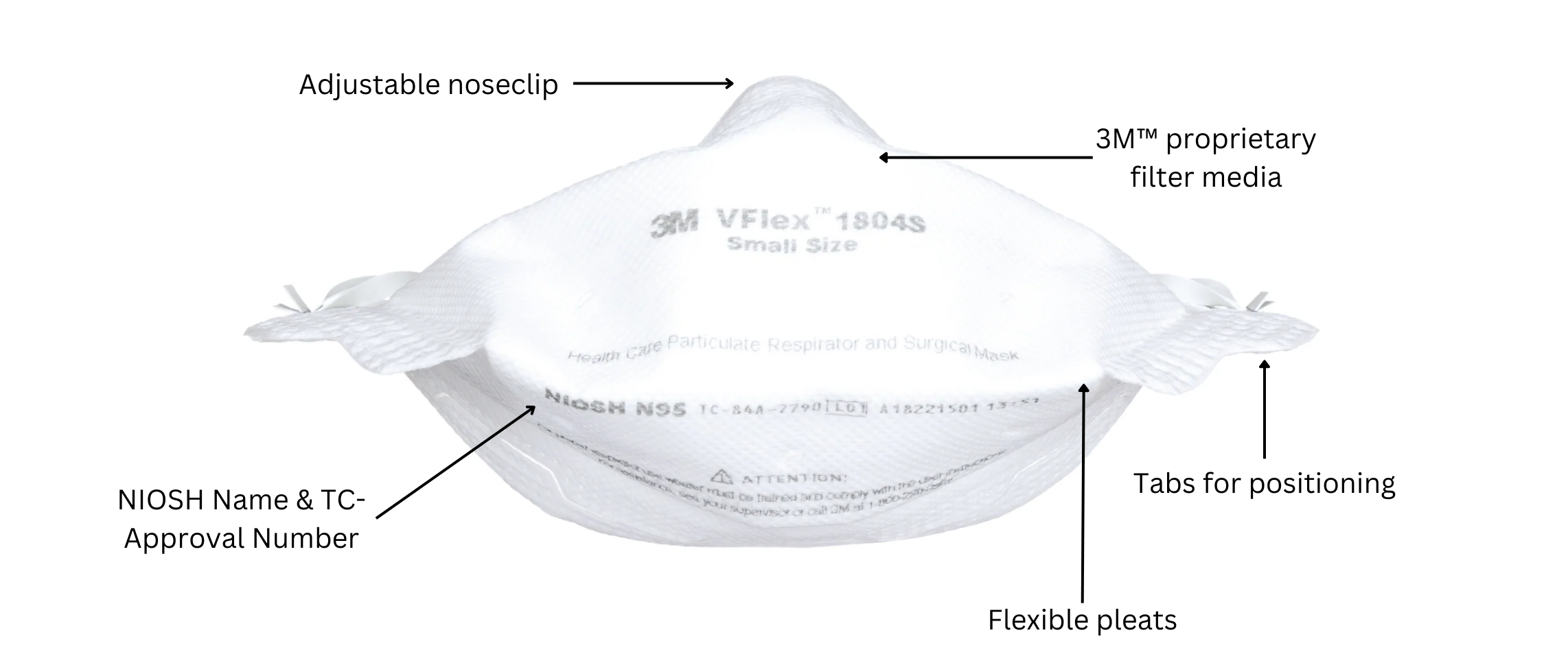
Look for these markings on genuine NIOSH-approved N95 respirators:
- NIOSH logo - Official certification mark
- Manufacturer name - Clearly printed or embossed
- Model or part number - Specific product identifier
- Filter designation - "N95" clearly marked
- TC approval number - Begins with "TC-84A-" followed by four digits
⚠️ Beware of Counterfeit N95 Masks
Counterfeit N95 masks exist in the marketplace and can be difficult to distinguish from authentic products. These counterfeits may look legitimate but provide inadequate protection, putting wearers at risk.
Protect Yourself: NIOSH maintains updated lists of both counterfeit products and approved manufacturers on their website. Always purchase from authorized distributors and verify certification markings.
Red Flags: Prices significantly below market rate, missing or incorrect NIOSH markings, no TC approval number, or packaging inconsistencies may indicate counterfeit products.
N95 vs. Surgical N95: Understanding the Difference
While both offer 95% filtration efficiency, surgical N95 respirators are designed specifically for healthcare settings and meet additional FDA requirements beyond standard NIOSH certification.
Additional Requirements for Surgical N95 Respirators
Fluid Resistance
Protects against blood and bodily fluid splashes during medical procedures—critical in surgical or procedural settings where exposure to liquids is likely.
Flammability Testing
Meets stricter fire safety standards required in operating rooms and other environments where flammable materials or oxygen are present.
Biocompatibility
Tested for skin sensitivity and irritation to ensure safe extended contact with facial skin during long procedures.
Standard N95 Respirators: Protect primarily against dry particles and are commonly used in construction, manufacturing, industrial environments, and non-procedural healthcare settings.
Surgical N95 Respirators: Required for healthcare procedures where exposure to blood, bodily fluids, or other liquids is anticipated, such as surgery, invasive procedures, or intubation.
N95 vs. Standard Surgical Masks
These two types of protective equipment serve fundamentally different purposes and should not be considered interchangeable.
Surgical Masks
- Loose-fitting design with gaps around edges
- Primarily prevents wearer from spreading particles outward
- Protects against large respiratory droplets
- No fit testing required
- Generally comfortable for extended wear
- Does not create facial seal
- Lower filtration efficiency for inhaled air
N95 Respirators
- Close facial seal required for proper function
- Protects wearer from inhaling hazardous particles
- Filters both inhalation and exhalation
- Requires fit testing for workplace use
- Can be uncomfortable during extended wear
- Creates airtight seal against face
- Minimum 95% filtration efficiency
KN95 Masks: The International Alternative
KN95 respirators are the Chinese equivalent of N95 masks, both filtering 95% of airborne particles. However, they operate under different regulatory frameworks and standards.
| Aspect | N95 (USA) | KN95 (China) |
|---|---|---|
| Certification Authority | NIOSH (USA) | Chinese standard GB2626-2006 |
| Filtration Efficiency | ≥95% at 0.3 microns | ≥95% at 0.3 microns |
| Fit Testing Requirements | Standards do not require | Standards require human fit testing |
| Breathability | Slightly stricter resistance specs | Similar but less stringent |
| Regulation | U.S. federal law | Chinese regulations |
| Workplace Approval | OSHA-approved for U.S. workplaces | May not meet OSHA requirements |
Equivalency Considerations
According to 3M, KN95 respirators can reasonably be considered equivalent to N95 and European FFP2 respirators in terms of filtration performance. However, for U.S. workplace compliance with OSHA regulations, NIOSH-approved N95 respirators are typically required unless specific emergency use authorizations are in effect.
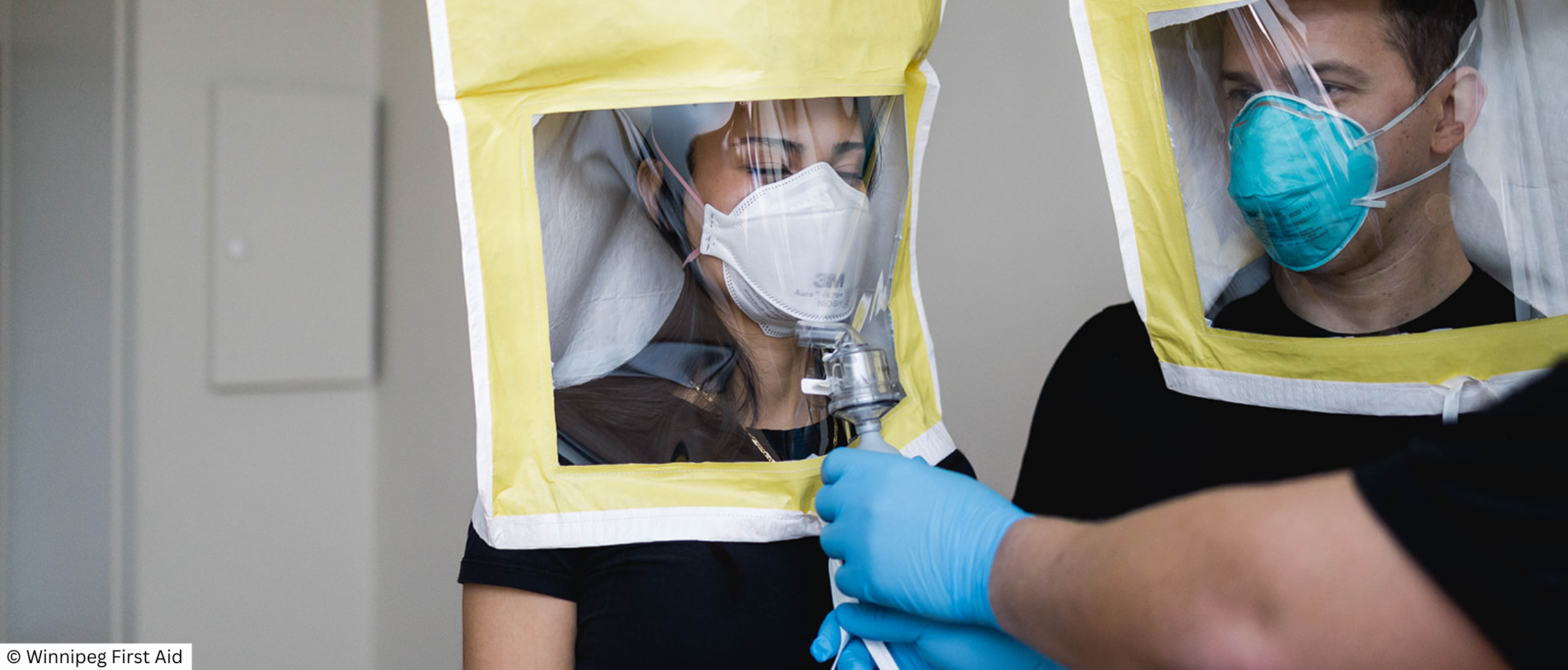
Fit Testing: A Critical Safety Requirement
Fit testing ensures your respirator creates a proper seal against your face. Without a proper seal, contaminated air can leak around the edges, dramatically reducing protection. Even a small gap can allow up to 50% of airborne contaminants to bypass the filter.
Two Types of Fit Tests
Qualitative Fit Testing
Method: Uses a test agent (sweet saccharin, bitter Bitrex, or irritant smoke aerosol)
Process: Wearer performs specific movements and exercises while exposed to the test agent. If they can taste, smell, or feel the agent, the respirator is not properly sealed.
Result: Pass/fail determination based on sensory detection
Advantages: Less expensive, portable, doesn't require specialized equipment
Limitations: Subjective, relies on wearer's ability to detect test agent
Quantitative Fit Testing
Method: Uses specialized instruments to measure the actual seal effectiveness by comparing particle concentrations inside and outside the respirator
Process: Wearer performs specific exercises while connected to testing equipment that calculates a numerical "fit factor"
Result: Numerical fit factor (must achieve minimum score to pass)
Advantages: Objective, precise, not dependent on wearer's sensory abilities
Limitations: Requires expensive equipment, more complex to administer
Is Fit Testing Mandatory?
Yes, for workplace use. OSHA regulation 1910.134 requires employers to provide fit testing for workers who must wear respirators as part of their job duties.
Fit Testing Requirements:
- Before Initial Use: Must be fit tested before wearing respirator in hazardous environment
- Annual Testing: Fit testing must be repeated at least annually
- After Physical Changes: Retesting required whenever physical changes might affect seal:
- Significant weight change (gain or loss of 10+ pounds)
- Dental work affecting facial structure
- Facial scarring or surgery
- Any condition affecting respirator fit
- Different Models: Must be fit tested for each make, model, style, and size of respirator worn
For Personal Use: While not legally required for non-workplace settings, proper fit is still essential for effective protection. Conduct a user seal check each time you don the respirator to verify proper seal.
Choosing the Right Protection
When selecting respiratory protection, consider multiple factors to ensure you choose the appropriate equipment for your specific needs.
Selection Considerations:
- Purpose: Healthcare procedures, industrial work, public health emergency, construction, or general personal protection?
- Exposure Level: What specific hazards will you encounter? Biological agents, dust, particles, chemicals?
- Duration: How long will you wear the respirator? Short-term or extended shifts?
- Certification: Always verify NIOSH approval for N95 respirators. Check for proper markings and TC approval number.
- Fit: Ensure the size and style work with your facial structure. Not all respirator models fit all face shapes.
- Compatibility: Consider compatibility with other PPE like safety glasses, face shields, or protective eyewear.
- Workplace Requirements: Verify that selected respirator meets specific regulatory or organizational requirements.
Healthcare vs. Industrial Applications
Healthcare Settings
Recommended: Surgical N95 respirators for procedures involving bodily fluids
Requirements: Fluid resistance, biocompatibility, annual fit testing
Common Uses: Patient care, surgery, aerosol-generating procedures
Industrial Settings
Recommended: Standard N95 or higher filtration based on specific hazards
Requirements: Annual fit testing, appropriate for specific particle types
Common Uses: Construction, manufacturing, mining, woodworking
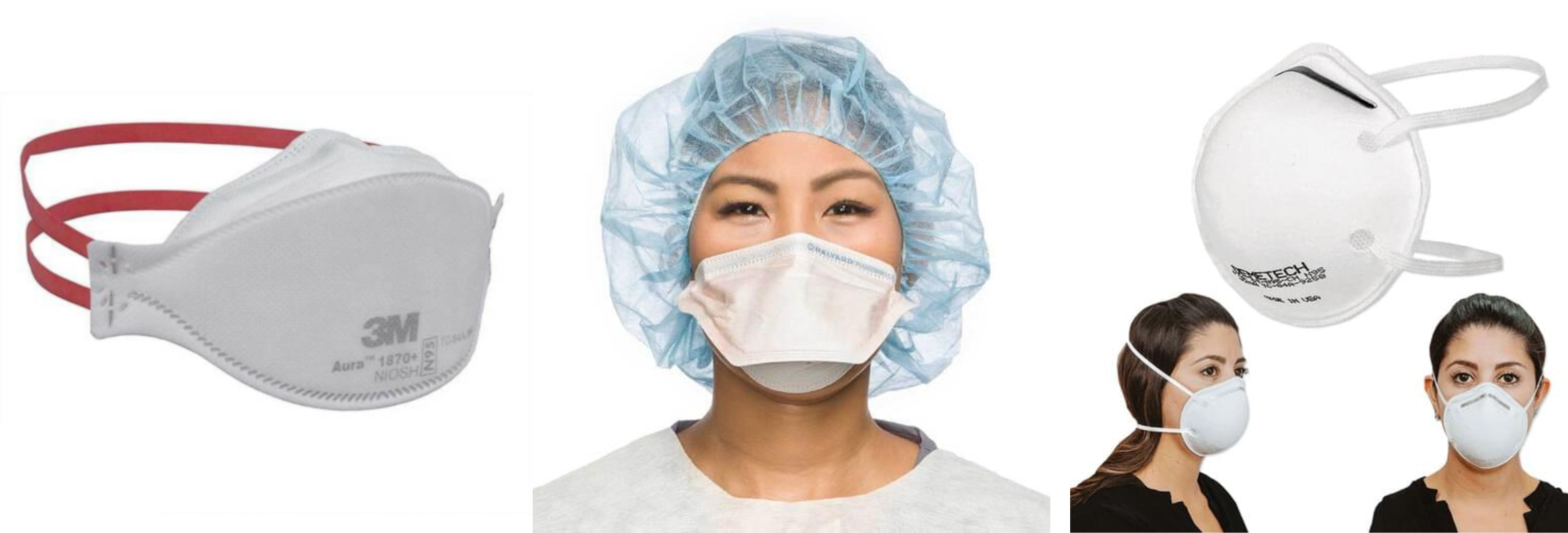
Finding Reliable N95 Supplies
The proliferation of counterfeit respiratory protection makes sourcing from trusted suppliers more important than ever. Authentic NIOSH-approved respirators undergo rigorous testing and quality control that counterfeits do not, making supplier selection a critical safety decision.
Surgo Surgical Supply's Commitment to Authentic Protection
At Surgo Surgical Supply, we exclusively supply NIOSH-certified N95 respirators, including surgical N95 options specifically designed for healthcare settings. We're committed to providing only authentic, approved respiratory protection that meets federal safety standards.
Our team understands the critical importance of genuine respiratory protection and can help you select the appropriate respirators for your specific needs—whether you're equipping a healthcare facility, industrial workplace, or seeking personal protection.
What Surgo Surgical Supply Provides
- NIOSH-Certified Products Only: Every respirator we supply includes proper NIOSH certification and TC approval numbers
- Healthcare-Grade Options: Surgical N95 respirators meeting FDA requirements for healthcare use
- Expert Guidance: Assistance selecting appropriate respiratory protection for your application
- Bulk Availability: Institutional quantities for healthcare facilities, industrial operations, and organizations
- Verification Support: Help verifying authenticity and proper certification
Need Authentic N95 Respirators?
Protect your team with genuine NIOSH-certified respiratory protection. Surgo's expert team can help you select the right N95 respirators for your facility or personal needs and ensure you have access to certified, reliable products.
Contact Surgo today for expert guidance on respiratory protection and access to authentic NIOSH-approved N95 respirators.
