
Gaining IV access on the first attempt is a critical part of delivering safe, efficient patient care across hospitals, clinics, emergency departments, and specialty settings. When IV insertion is successful right away, clinicians can begin treatment faster, reduce patient discomfort, and maintain a smoother, more controlled workflow.
However, missed IV attempts are still a frequent challenge, and they come with measurable consequences. The good news is that improving first-stick success is achievable through a combination of refined technique, awareness of patient-specific factors, and the use of supportive technology.
Just as importantly, every IV procedure should be performed using infection prevention practices consistent with Health Canada guidance to ensure both patient safety and compliance with Canadian standards.
Why First-Stick IV Success Rates Matter
First-attempt success has a ripple effect across both patient experience and clinical performance.
For patients, a single successful insertion can mean:
- Less pain
- Reduced anxiety
- A more positive perception of care
Many patients remember difficult IV experiences, and multiple attempts can impact their confidence in providers and facilities.
From a clinical perspective, achieving access on the first try allows teams to:
- Move forward with treatment without interruption
- Maintain workflow efficiency
- Reduce time spent managing complications
Key outcomes of strong first-stick success include:
- Improved patient comfort
- Faster care delivery
- Higher satisfaction scores
- More efficient use of clinical resources
- Greater confidence among healthcare teams
The Real Cost of Failed IV Attempts
When IV insertion requires multiple attempts, the effects extend beyond the procedure itself.
Each additional attempt can:
- Delay treatment timelines
- Increase supply usage
- Add pressure to already busy teams
Over time, these inefficiencies can significantly impact operations.
Common consequences include:
Operational delays
- Slower treatment initiation
- Increased time per patients
- Reduced patient throughput
Resource strain
- Additional use of IV supplies
- Increased sharps waste
- Higher cumulative costs
Staff impact
- Frustration during difficult cases
- Reduced confidence in challenging scenarios
- Increased fatigue in high-demand environments
Improving first-attempt success helps address all of these challenges at once.
Common Reasons IV Attempts Fail
Even experienced clinicians encounter difficult IV access situations. In many cases, the issue is not a lack of skill, but limited visibility or patient-specific challenges.
Frequent contributing factors include:
- Poorly visible veins
- Veins that shift or roll during insertion
- Dehydration reducing vein prominence
- Increased tissue depth (e.g., higher body mass)
- Fragile or previously accessed veins
- Suboptimal lighting or positioning
- Patient movement or anxiety
These variables can make it difficult to confidently locate and access a suitable vein, particularly when time is limited.
Patient Populations Most at Risk for Difficult IV Access
Certain patient groups consistently present more complex IV access challenges. Identifying these situations early allows clinicians to adjust their approach.
Higher-risk groups include:
Children
- Smaller veins
- Greater movement and anxiety
Older adults
- Fragile, mobile veins
- Reduced skin elasticity
Patients with higher body mass
- Veins located deeper below the surface
Dehydrated individuals
- Reduced vein visibility
Emergency patients
- Limited time and unpredictable conditions
- Challenging environments with poor visibility
In these cases, relying solely on traditional techniques can lower the likelihood of first-attempt success.
Practical Techniques to Improve First-Stick Success
Before introducing advanced tools, improving basic technique can make a meaningful difference.
Key areas to focus on:
Positioning
- Support the limb properly
- Ensure the patient is stable and relaxed
Visibility
- Use adequate lighting
- Consider warming the area to improve vein prominence
Vein Selection
- Choose straight, stable veins
- Avoid valves and branching points
Stabilization
- Apply gentle traction
- Limit vein movement during insertion
Communication
- Explain the process to reduce anxiety
- Encourage patient cooperation
Infection Prevention
- Perform hand hygiene
- Use appropriate PPE
- Maintain aseptic technique throughout
While these fundamentals are essential, they rely heavily on the ability to clearly see the vein.
How Vein Visualization Tools Improve First-Attempt Success
Vein visualization devices help remove uncertainty by making veins more visible beneath the skin.
Instead of relying only on visual inspection and palpation, clinicians can:
- Follow vein pathways more accurately
- Select more appropriate insertion points
- Avoid problematic areas such as valves
- Reduce the likelihood of repeated attempts
Many of these tools also support infection prevention practices aligned with Health Canada guidance by using disposable covers to help reduce cross-contamination.
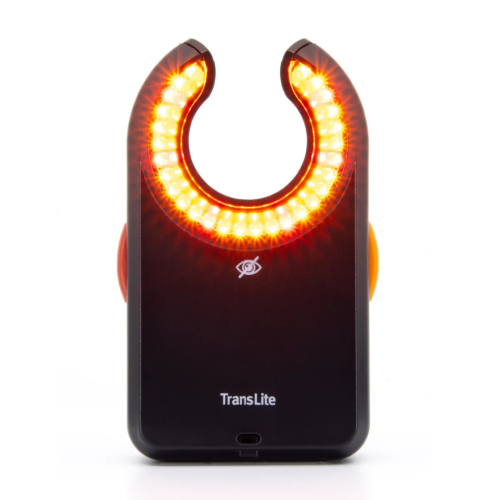
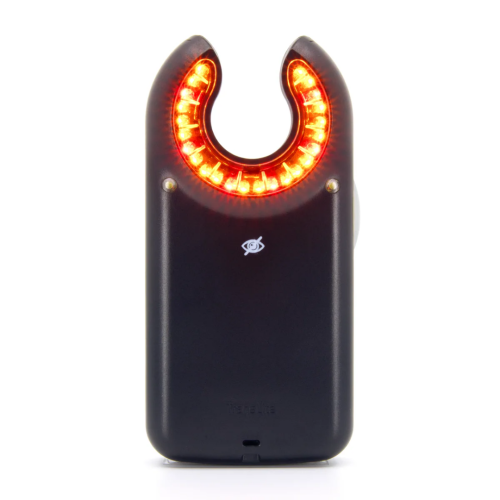
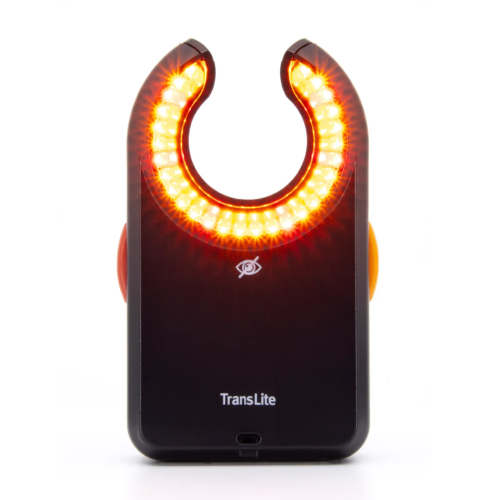
Veinlite LED+ Universal Vein Finder (201-VLED+)
The Veinlite LED+ is designed for everyday use across a variety of clinical environments, offering consistent performance for both routine and difficult IV access.
Common settings include:
- Clinics and outpatient care
- Hospitals
- Infusion centers
- Phlebotomy services
- Dental practices performing IV sedation
Key features:
- High-intensity LED illumination
- Rechargeable design for continuous use
- Wide viewing area for improved vein mapping
- Effective across diverse patient populations
It also works with disposable covers to support infection prevention practices aligned with Health Canada guidance.
In addition to improving visibility, the device helps minimize vein movement during insertion, supporting more consistent outcomes.
Veinlite EMS PRO Portable Vein Finder (201-VEMSPRO)
The EMS PRO is engineered for use in emergency and field environments, where conditions are often unpredictable.
Best suited for:
- EMS and paramedic teams
- Emergency departments
- Urgent care centers
- Remote or low-light environments
Key features:
- Bright LED illumination system
- Battery-powered operation
- Built-in white exam light
- Long-lasting battery performance
In fast-moving environments, it allows clinicians to quickly locate veins and initiate treatment without delay.
It also supports infection prevention in high-turnover settings through the use of disposable covers, helping reduce contamination risk.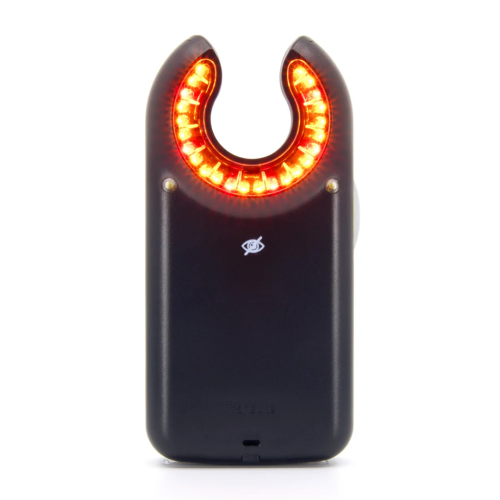
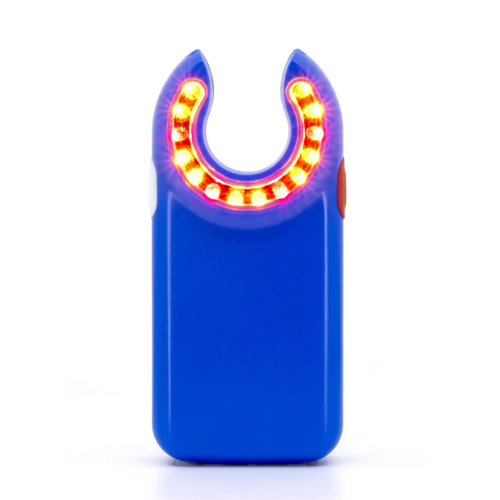
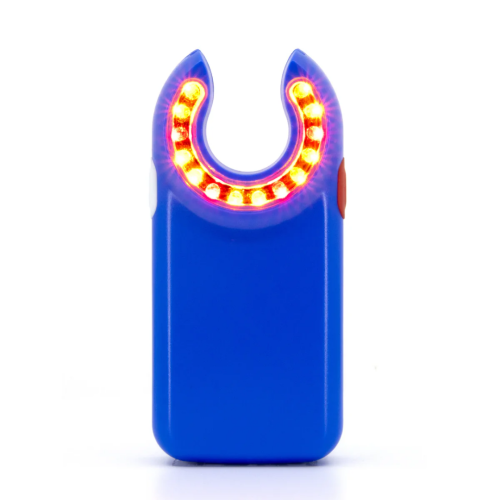
Veinlite PEDI2 Pediatric Vein Finder (201-PEDI2)
The PEDI2 is specifically designed for pediatric patients, where IV access can be more difficult.
Common applications include:
- Pediatric hospitals
- Emergency departments
- Family medicine clinics
- Specialty pediatric care
Key features:
- Designed for patients aged 0-17
- Lightweight and easy to handle
- Optimized for smaller veins
- Helps reduce repeated attempts
It also supports infection prevention practices through disposable covers, helping protect vulnerable patients.
Choosing the Right Vein Finder for Your Setting
Selecting the right device depends on your clinical needs and patient population.
For general use
- Veinlite LED+
→ Versatile and reliable
For emergency and field environments
- Veinlite EMS PRO
→ Portable and designed for speed
For pediatric care
- Veinlite PEDI2
→ Optimized for smaller, more delicate veins
Across all settings, choosing tools that support infection prevention protocols helps maintain safe, compliant care.
Key Takeaways
Improving first-stick IV success comes down to making focused, practical improvements.
Prioritize:
- Strong foundational technique
- Awareness of high-risk patients
- Better vein visibility
- Reduced reliance on guesswork
- Tools that support consistent results
- Infection prevention practices aligned with Health Canada
Improve IV Access with the Right Tools
Achieving IV access on the first attempts improves both patient outcomes and clinical efficiency. Fewer attempts mean less discomfort, reduced anxiety, and a smoother care experience overall.
By combining refined technique, improved visualization, and consistent infection prevention practices, healthcare providers can deliver safer, more effective care.
With tools like the Veinlite LED+ Universal Vein Finder, Veinlite EMS PRO portable Vein Finder, and Veinlite PEDI2 Pediatric Vein Finder, teams can improve consistency while maintaining high standards of hygiene.
Explore Veilite Vein Finders on Surgo Surgical Supply to find the right solution for your clinical setting.

Gaining IV access on the first attempt is a critical part of delivering safe, efficient patient care across hospitals, clinics, emergency departments, and specialty settings. When IV insertion is successful right away, clinicians can begin treatment faster, reduce patient discomfort, and maintain a smoother, more controlled workflow.
However, missed IV attempts are still a frequent challenge, and they come with measurable consequences. The good news is that improving first-stick success is achievable through a combination of refined technique, awareness of patient-specific factors, and the use of supportive technology.
Just as importantly, every IV procedure should be performed using infection prevention practices consistent with Health Canada guidance to ensure both patient safety and compliance with Canadian standards.
Why First-Stick IV Success Rates Matter
First-attempt success has a ripple effect across both patient experience and clinical performance.
For patients, a single successful insertion can mean:
- Less pain
- Reduced anxiety
- A more positive perception of care
Many patients remember difficult IV experiences, and multiple attempts can impact their confidence in providers and facilities.
From a clinical perspective, achieving access on the first try allows teams to:
- Move forward with treatment without interruption
- Maintain workflow efficiency
- Reduce time spent managing complications
Key outcomes of strong first-stick success include:
- Improved patient comfort
- Faster care delivery
- Higher satisfaction scores
- More efficient use of clinical resources
- Greater confidence among healthcare teams
The Real Cost of Failed IV Attempts
When IV insertion requires multiple attempts, the effects extend beyond the procedure itself.
Each additional attempt can:
- Delay treatment timelines
- Increase supply usage
- Add pressure to already busy teams
Over time, these inefficiencies can significantly impact operations.
Common consequences include:
Operational delays
- Slower treatment initiation
- Increased time per patients
- Reduced patient throughput
Resource strain
- Additional use of IV supplies
- Increased sharps waste
- Higher cumulative costs
Staff impact
- Frustration during difficult cases
- Reduced confidence in challenging scenarios
- Increased fatigue in high-demand environments
Improving first-attempt success helps address all of these challenges at once.
Common Reasons IV Attempts Fail
Even experienced clinicians encounter difficult IV access situations. In many cases, the issue is not a lack of skill, but limited visibility or patient-specific challenges.
Frequent contributing factors include:
- Poorly visible veins
- Veins that shift or roll during insertion
- Dehydration reducing vein prominence
- Increased tissue depth (e.g., higher body mass)
- Fragile or previously accessed veins
- Suboptimal lighting or positioning
- Patient movement or anxiety
These variables can make it difficult to confidently locate and access a suitable vein, particularly when time is limited.
Patient Populations Most at Risk for Difficult IV Access
Certain patient groups consistently present more complex IV access challenges. Identifying these situations early allows clinicians to adjust their approach.
Higher-risk groups include:
Children
- Smaller veins
- Greater movement and anxiety
Older adults
- Fragile, mobile veins
- Reduced skin elasticity
Patients with higher body mass
- Veins located deeper below the surface
Dehydrated individuals
- Reduced vein visibility
Emergency patients
- Limited time and unpredictable conditions
- Challenging environments with poor visibility
In these cases, relying solely on traditional techniques can lower the likelihood of first-attempt success.
Practical Techniques to Improve First-Stick Success
Before introducing advanced tools, improving basic technique can make a meaningful difference.
Key areas to focus on:
Positioning
- Support the limb properly
- Ensure the patient is stable and relaxed
Visibility
- Use adequate lighting
- Consider warming the area to improve vein prominence
Vein Selection
- Choose straight, stable veins
- Avoid valves and branching points
Stabilization
- Apply gentle traction
- Limit vein movement during insertion
Communication
- Explain the process to reduce anxiety
- Encourage patient cooperation
Infection Prevention
- Perform hand hygiene
- Use appropriate PPE
- Maintain aseptic technique throughout
While these fundamentals are essential, they rely heavily on the ability to clearly see the vein.
How Vein Visualization Tools Improve First-Attempt Success
Vein visualization devices help remove uncertainty by making veins more visible beneath the skin.
Instead of relying only on visual inspection and palpation, clinicians can:
- Follow vein pathways more accurately
- Select more appropriate insertion points
- Avoid problematic areas such as valves
- Reduce the likelihood of repeated attempts
Many of these tools also support infection prevention practices aligned with Health Canada guidance by using disposable covers to help reduce cross-contamination.
Veinlite LED+ Universal Vein Finder (201-VLED+)
The Veinlite LED+ is designed for everyday use across a variety of clinical environments, offering consistent performance for both routine and difficult IV access.
Common settings include:
- Clinics and outpatient care
- Hospitals
- Infusion centers
- Phlebotomy services
- Dental practices performing IV sedation
Key features:
- High-intensity LED illumination
- Rechargeable design for continuous use
- Wide viewing area for improved vein mapping
- Effective across diverse patient populations
It also works with disposable covers to support infection prevention practices aligned with Health Canada guidance.
In addition to improving visibility, the device helps minimize vein movement during insertion, supporting more consistent outcomes.
Veinlite EMS PRO Portable Vein Finder (201-VEMSPRO)
The EMS PRO is engineered for use in emergency and field environments, where conditions are often unpredictable.
Best suited for:
- EMS and paramedic teams
- Emergency departments
- Urgent care centers
- Remote or low-light environments
Key features:
- Bright LED illumination system
- Battery-powered operation
- Built-in white exam light
- Long-lasting battery performance
In fast-moving environments, it allows clinicians to quickly locate veins and initiate treatment without delay.
It also supports infection prevention in high-turnover settings through the use of disposable covers, helping reduce contamination risk.
Veinlite PEDI2 Pediatric Vein Finder (201-PEDI2)
The PEDI2 is specifically designed for pediatric patients, where IV access can be more difficult.
Common applications include:
- Pediatric hospitals
- Emergency departments
- Family medicine clinics
- Specialty pediatric care
Key features:
- Designed for patients aged 0-17
- Lightweight and easy to handle
- Optimized for smaller veins
- Helps reduce repeated attempts
It also supports infection prevention practices through disposable covers, helping protect vulnerable patients.
Choosing the Right Vein Finder for Your Setting
Selecting the right device depends on your clinical needs and patient population.
For general use
- Veinlite LED+
→ Versatile and reliable
For emergency and field environments
- Veinlite EMS PRO
→ Portable and designed for speed
For pediatric care
- Veinlite PEDI2
→ Optimized for smaller, more delicate veins
Across all settings, choosing tools that support infection prevention protocols helps maintain safe, compliant care.
Key Takeaways
Improving first-stick IV success comes down to making focused, practical improvements.
Prioritize:
- Strong foundational technique
- Awareness of high-risk patients
- Better vein visibility
- Reduced reliance on guesswork
- Tools that support consistent results
- Infection prevention practices aligned with Health Canada
Improve IV Access with the Right Tools
Achieving IV access on the first attempts improves both patient outcomes and clinical efficiency. Fewer attempts mean less discomfort, reduced anxiety, and a smoother care experience overall.
By combining refined technique, improved visualization, and consistent infection prevention practices, healthcare providers can deliver safer, more effective care.
With tools like the Veinlite LED+ Universal Vein Finder, Veinlite EMS PRO portable Vein Finder, and Veinlite PEDI2 Pediatric Vein Finder, teams can improve consistency while maintaining high standards of hygiene.
Explore Veilite Vein Finders on Surgo Surgical Supply to find the right solution for your clinical setting.
