
A post-operative dressing has a different job than a wound dressing for an open or chronic wound, it's protecting a closed, sutured incision rather than managing an actively healing wound bed. That changes what matters most: secure fixation, a reliable barrier against contamination, and often the ability to shower without disturbing the wound. Here's how to choose between the main post-op dressing formats Surgo carries.
What a Post-Op Dressing Needs to Do
Post-operative dressings are typically used on sutured or closed surgical wounds, minor excisions, biopsy sites, and puncture sites – not on open, exuding wounds. The priorities are protecting the incision from external contamination, absorbing minor exudate without letting it pool, staying securely in place through movement, and in many cases allowing the patient to shower without needing a dressing change.
Transparent Waterproof Film + Pad
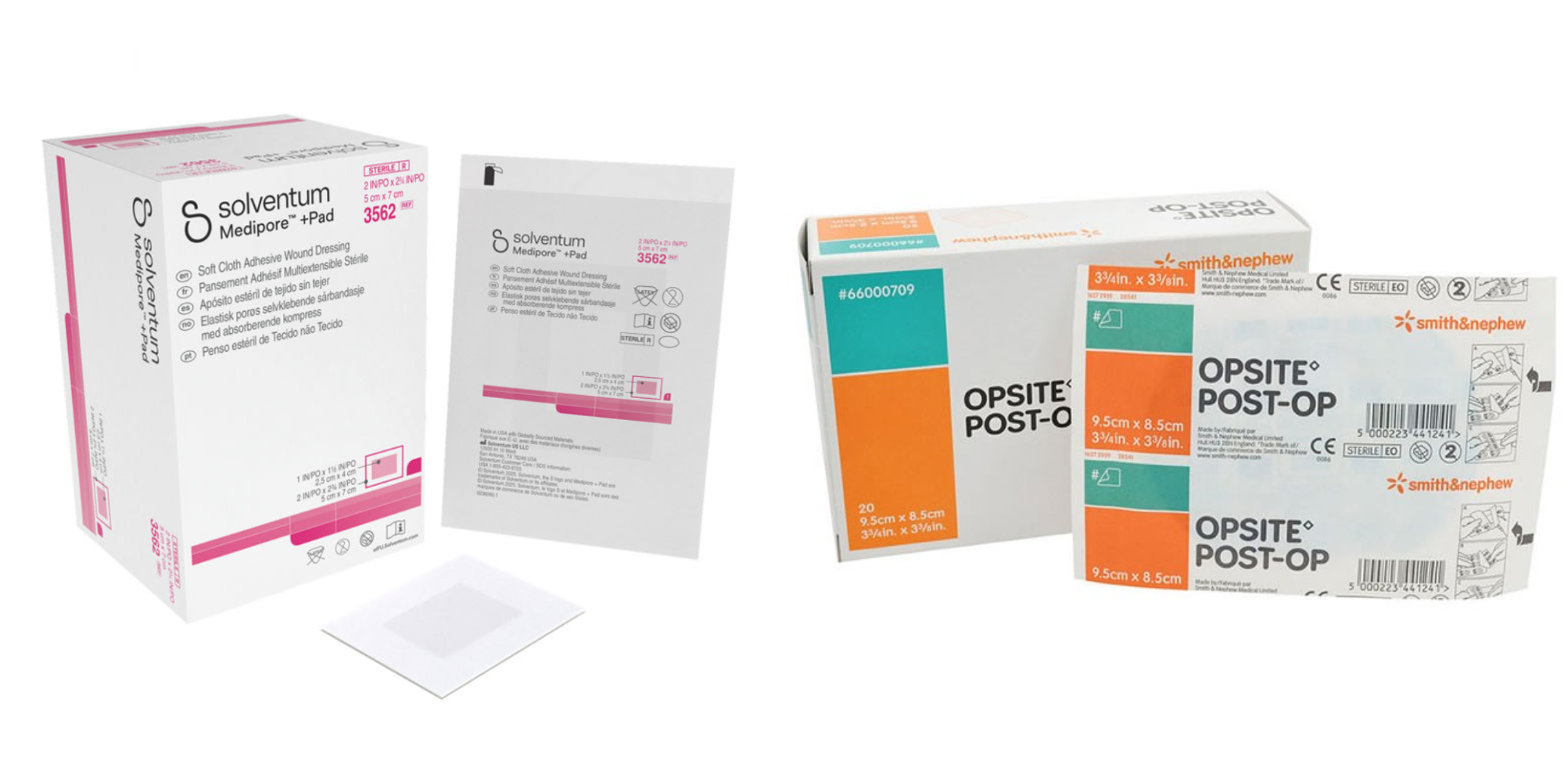
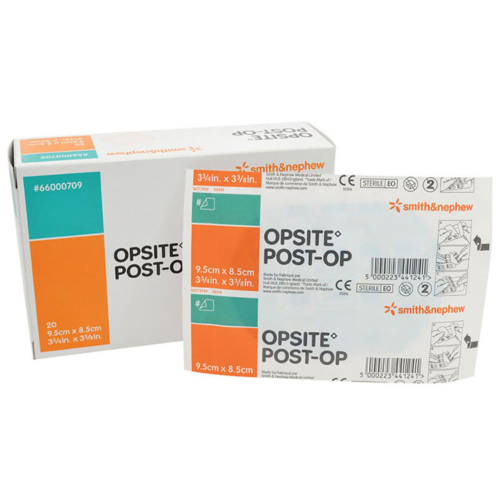
OPSITE™ Post-Op combines a waterproof, moisture-responsive film with an integrated low-adherent absorbent pad. The transparent film allows continuous visual monitoring of the incision without removing the dressing, and its high moisture vapour transmission rate helps prevent maceration while still letting the patient shower.
Self-Adhesive Absorbent Pad
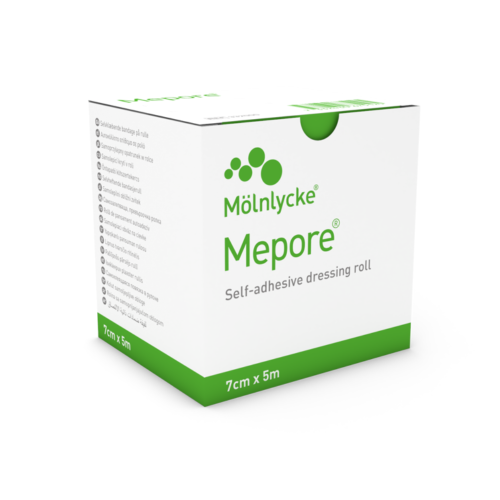
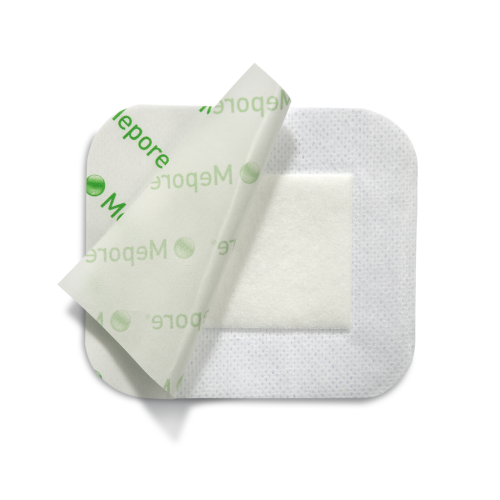
Mepore® uses a gentle, water-based adhesive with an absorbent, non-adherent wound pad and a flexible, fluid-repellent backing. It's air permeable rather than fully waterproof, which helps reduce the risk of maceration under the dressing while still providing secure, breathable coverage for low to moderately exuding incisions.
Non-Woven Adhesive Dressing
PRIMAPORE™ pairs a highly absorbent pad with a soft, conformable non-woven cover and a low-allergy adhesive border, built specifically for the straightforward management of sutured and closed surgical wounds where simple, secure fixation is the priority rather than waterproof showering capability.
Which Format Fits Which Situation
If the patient needs to shower and the care team wants to visually monitor the incision without a dressing change, a transparent waterproof film + pad option is generally the best fit. If breathability and gentle, skin-friendly adhesion matter more than waterproofing, a self-adhesive absorbent pad is often preferred. For routine, straightforward sutured wounds where simple and secure coverage is all that's needed, a non-woven adhesive dressing is typically sufficient. Final selection should always follow the surgeon's or clinician's post-operative care instructions.
Post-Op Dressings Available at Surgo
| Format | Product | Brand | Waterproof? |
|---|---|---|---|
| Film + Pad | OPSITE™ Post-Op Transparent Waterproof Dressing | Smith+Nephew | Yes |
| Self-Adhesive Pad | Mepore® Self-Adhesive Absorbent Post-Operative Dressing | Mölnlycke | No – breathable |
| Non-Woven Adhesive | PRIMAPORE™ Adhesive Non-Woven Post-Operative Wound Dressing | Smith+Nephew | No |
Frequently Asked Questions
Can patients shower with a post-op dressing on?
It depends on the dressing. Waterproof film + pad options like OPSITE™ Post-Op are specifically designed to allow showering, while breathable self-adhesive and non-woven dressings generally are not waterproof and should follow the clinician's specific instructions.
How is a post-op dressing different from a regular wound dressing?
Post-op dressings are designed for closed, sutured incisions rather than open or actively exuding wounds, prioritizing secure fixation, contamination protection, and (in some formats) showering capability over exudate management.
Why would you choose a transparent dressing over an opaque one?
A transparent film allows the incision to be visually monitored for signs of infection or complications without removing the dressing, which can reduce unnecessary dressing changes.


.png)


A post-operative dressing has a different job than a wound dressing for an open or chronic wound, it's protecting a closed, sutured incision rather than managing an actively healing wound bed. That changes what matters most: secure fixation, a reliable barrier against contamination, and often the ability to shower without disturbing the wound. Here's how to choose between the main post-op dressing formats Surgo carries.
What a Post-Op Dressing Needs to Do
Post-operative dressings are typically used on sutured or closed surgical wounds, minor excisions, biopsy sites, and puncture sites – not on open, exuding wounds. The priorities are protecting the incision from external contamination, absorbing minor exudate without letting it pool, staying securely in place through movement, and in many cases allowing the patient to shower without needing a dressing change.
Transparent Waterproof Film + Pad
OPSITE™ Post-Op combines a waterproof, moisture-responsive film with an integrated low-adherent absorbent pad. The transparent film allows continuous visual monitoring of the incision without removing the dressing, and its high moisture vapour transmission rate helps prevent maceration while still letting the patient shower.
Self-Adhesive Absorbent Pad
Mepore® uses a gentle, water-based adhesive with an absorbent, non-adherent wound pad and a flexible, fluid-repellent backing. It's air permeable rather than fully waterproof, which helps reduce the risk of maceration under the dressing while still providing secure, breathable coverage for low to moderately exuding incisions.
Non-Woven Adhesive Dressing
PRIMAPORE™ pairs a highly absorbent pad with a soft, conformable non-woven cover and a low-allergy adhesive border, built specifically for the straightforward management of sutured and closed surgical wounds where simple, secure fixation is the priority rather than waterproof showering capability.
Which Format Fits Which Situation
If the patient needs to shower and the care team wants to visually monitor the incision without a dressing change, a transparent waterproof film + pad option is generally the best fit. If breathability and gentle, skin-friendly adhesion matter more than waterproofing, a self-adhesive absorbent pad is often preferred. For routine, straightforward sutured wounds where simple and secure coverage is all that's needed, a non-woven adhesive dressing is typically sufficient. Final selection should always follow the surgeon's or clinician's post-operative care instructions.
Post-Op Dressings Available at Surgo
| Format | Product | Brand | Waterproof? |
|---|---|---|---|
| Film + Pad | OPSITE™ Post-Op Transparent Waterproof Dressing | Smith+Nephew | Yes |
| Self-Adhesive Pad | Mepore® Self-Adhesive Absorbent Post-Operative Dressing | Mölnlycke | No – breathable |
| Non-Woven Adhesive | PRIMAPORE™ Adhesive Non-Woven Post-Operative Wound Dressing | Smith+Nephew | No |
Frequently Asked Questions
Can patients shower with a post-op dressing on?
It depends on the dressing. Waterproof film + pad options like OPSITE™ Post-Op are specifically designed to allow showering, while breathable self-adhesive and non-woven dressings generally are not waterproof and should follow the clinician's specific instructions.
How is a post-op dressing different from a regular wound dressing?
Post-op dressings are designed for closed, sutured incisions rather than open or actively exuding wounds, prioritizing secure fixation, contamination protection, and (in some formats) showering capability over exudate management.
Why would you choose a transparent dressing over an opaque one?
A transparent film allows the incision to be visually monitored for signs of infection or complications without removing the dressing, which can reduce unnecessary dressing changes.
