
Diagnostic technology has advanced significantly over the past decade. The devices that were once reserved for hospital departments are now practical, affordable, and expected in a well-equipped primary care clinic. This guide covers the ten high-tech diagnostic products that are making the biggest clinical impact in Canadian practices today, what each one does, why it matters, and what to look for when buying.
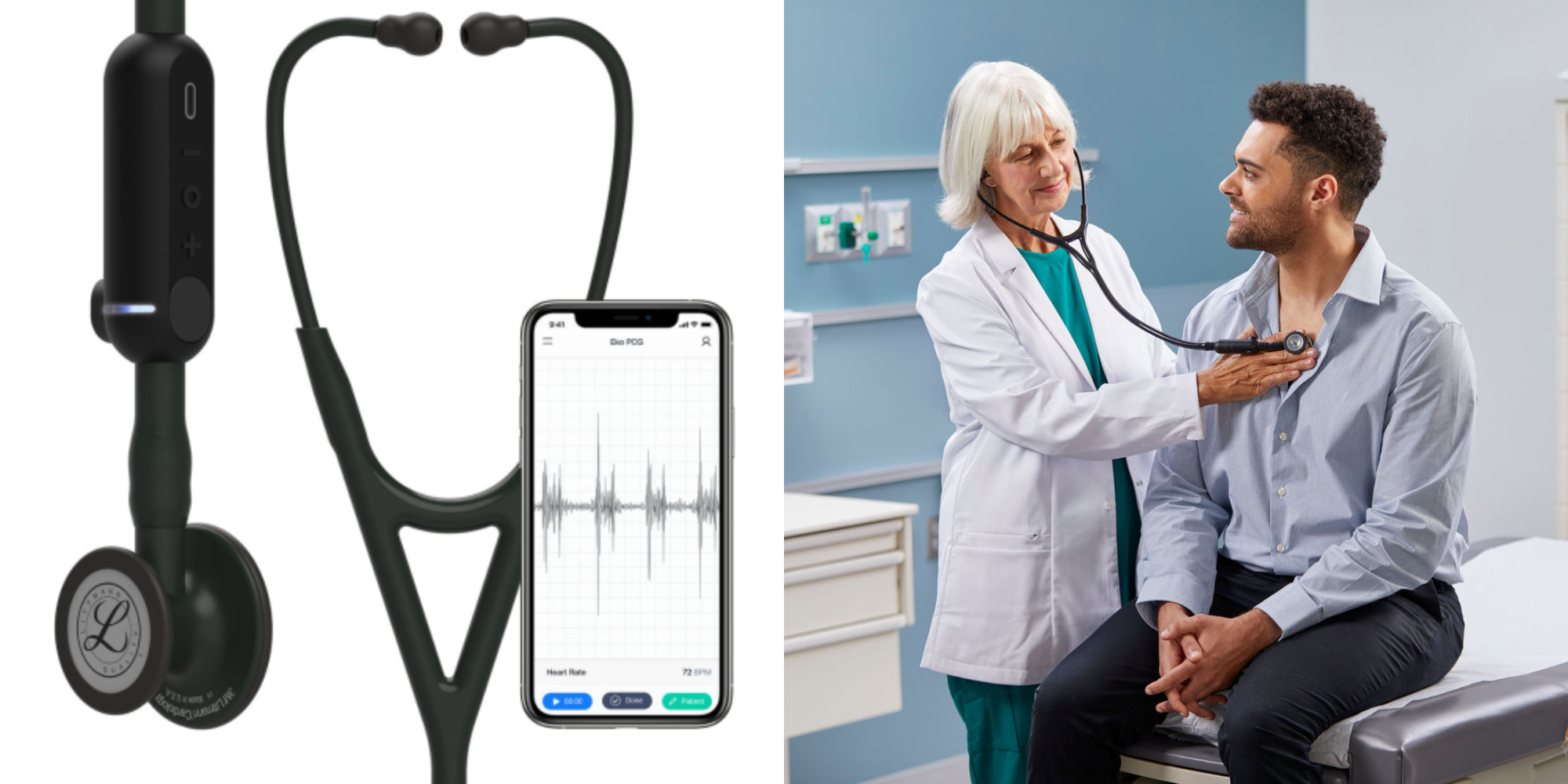
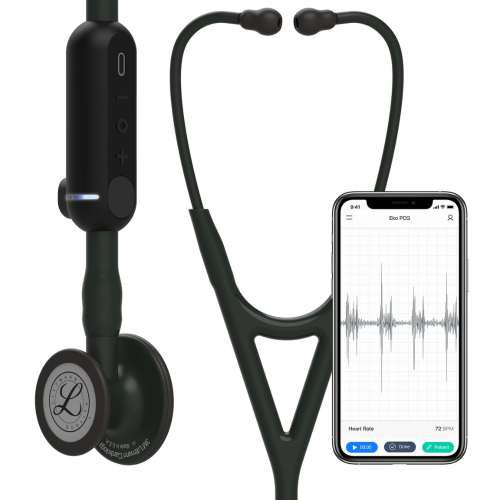
The Littmann CORE is the most significant advancement in stethoscope technology in a generation. It amplifies acoustic sound up to 40 times compared to a traditional stethoscope, which makes it transformative for physicians managing patients with obesity, chronic respiratory conditions, or anyone where traditional auscultation is difficult. The CORE also connects to the Eko app, allowing clinicians to visualise, record, and share heart and lung sounds directly from the device — a capability that has real implications for teleconsultation, specialist referrals, and ongoing documentation.
For clinics still using analogue stethoscopes from a decade ago, this is the single most impactful upgrade available at the point-of-care level.
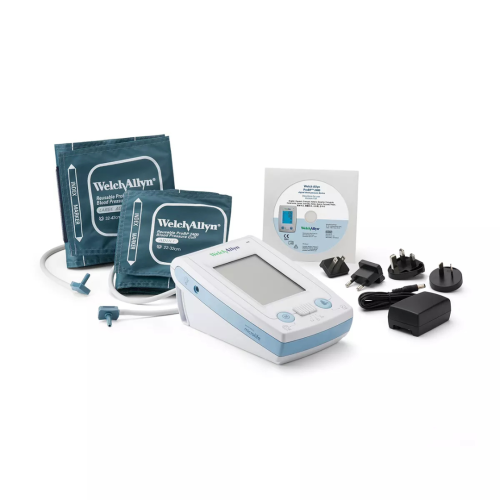
The Connex Spot Monitor consolidates blood pressure, SpO2, pulse rate, and temperature into a single connected device. Rather than moving between four separate instruments per patient, staff complete a full vital signs assessment in one workflow — and the data transfers directly to your EMR. The Connex platform also supports Welch Allyn's SureBP technology, which delivers a reading in a single inflation cycle, reducing patient discomfort and per-visit time at triage.
For busy multi-physician clinics, the time savings across a full day of appointments are substantial. The EMR integration alone justifies the investment for most practices.
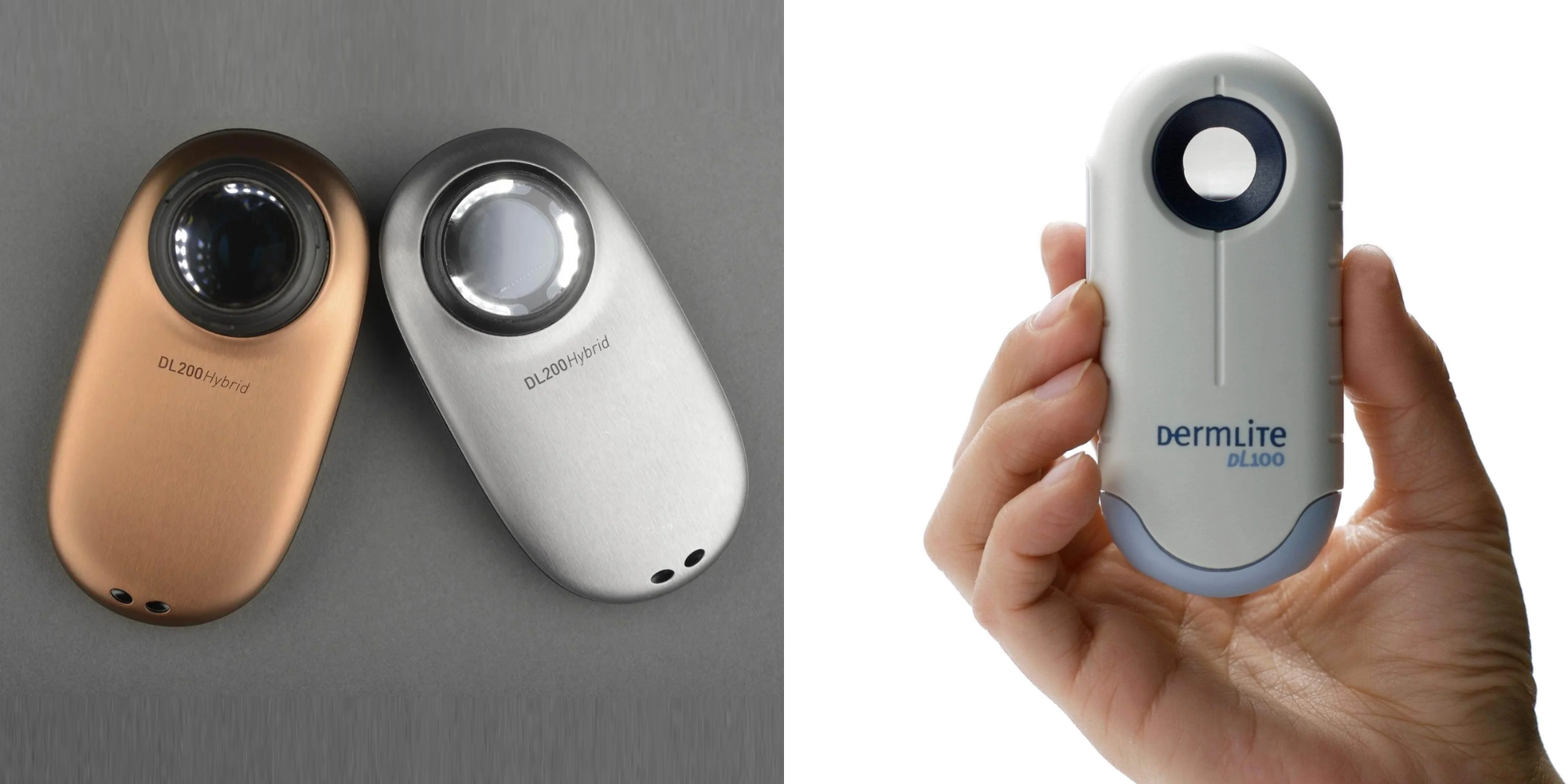
Dermoscopy has become a standard of care for skin lesion assessment in family medicine, not just dermatology. The DermLite series uses polarised LED illumination to visualise subsurface skin structures that are invisible to the naked eye — allowing clinicians to differentiate benign from suspicious lesions at the point of care with significantly greater confidence than unaided examination alone.
The DermLite DL100 is an accessible entry point for general practitioners, while the DL200 Hybrid offers both polarised and non-polarised modes for clinicians who want greater diagnostic flexibility. Both connect to a smartphone for image capture and documentation, which supports referral letters and ongoing monitoring of existing lesions.
An in-clinic 12-lead ECG eliminates one of the most common and frustrating referral bottlenecks in primary care. Modern ECG machines are compact, fast, and produce print-ready or digitally transferable results in under two minutes. Many units now include interpretation software that flags rhythm abnormalities automatically — a useful clinical aid, though never a replacement for physician review.
For any clinic managing patients with cardiovascular risk factors, hypertension, diabetes, or unexplained dyspnoea or palpitations, in-house ECG capability is no longer optional. It is an expectation of a complete primary care workup.
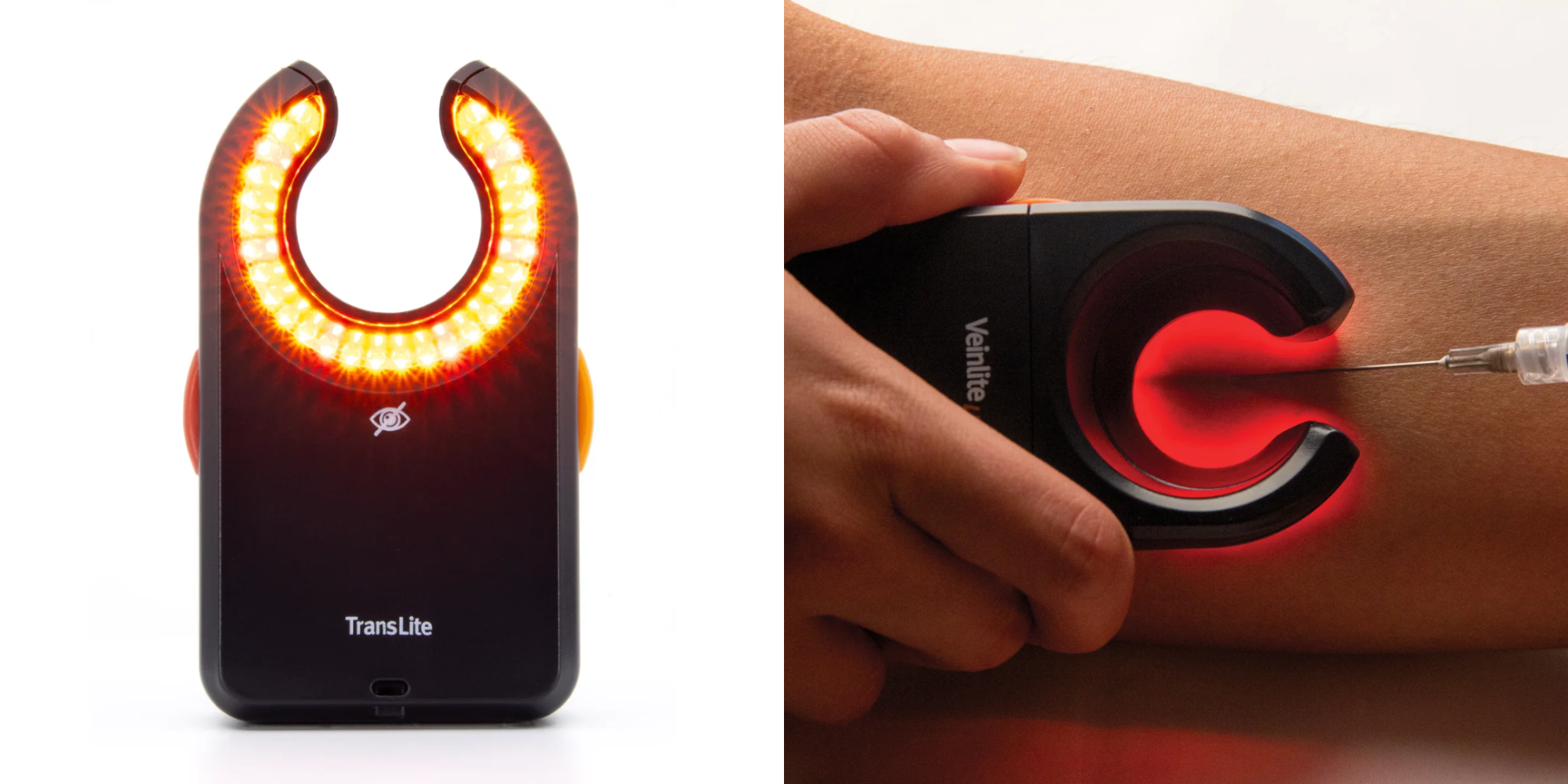
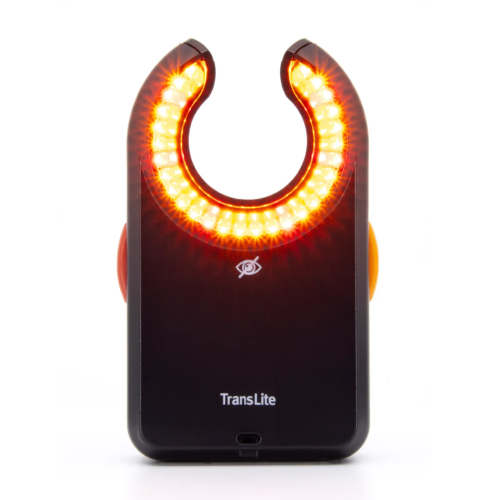
Veinlite uses transillumination technology to make subcutaneous veins visible through the skin — even in patients where veins are notoriously difficult to access: elderly patients, patients with obesity, those with a history of frequent venipuncture, or paediatric patients. The result is fewer failed attempts, less patient distress, and faster blood collection workflows.
In clinics that manage high volumes of blood draws or IV insertions, a Veinlite pays for itself quickly in reduced nursing time and fewer repeat attempts. It is one of those devices that staff wonder how they managed without once it is in the room.
Spirometry is the gold standard for diagnosing and monitoring obstructive and restrictive lung disease. Modern digital spirometers are compact, single-use mouthpiece-based, and produce ATS/ERS-compliant results with automatically generated predicted value comparisons. For clinics managing asthma, COPD, or occupational lung disease, in-house spirometry eliminates the wait times associated with hospital pulmonary function referrals and gives physicians the data they need at the point of prescribing decision.
It is also increasingly required for pre-employment and workplace health assessments, making it a revenue-generating asset for occupational health practices.
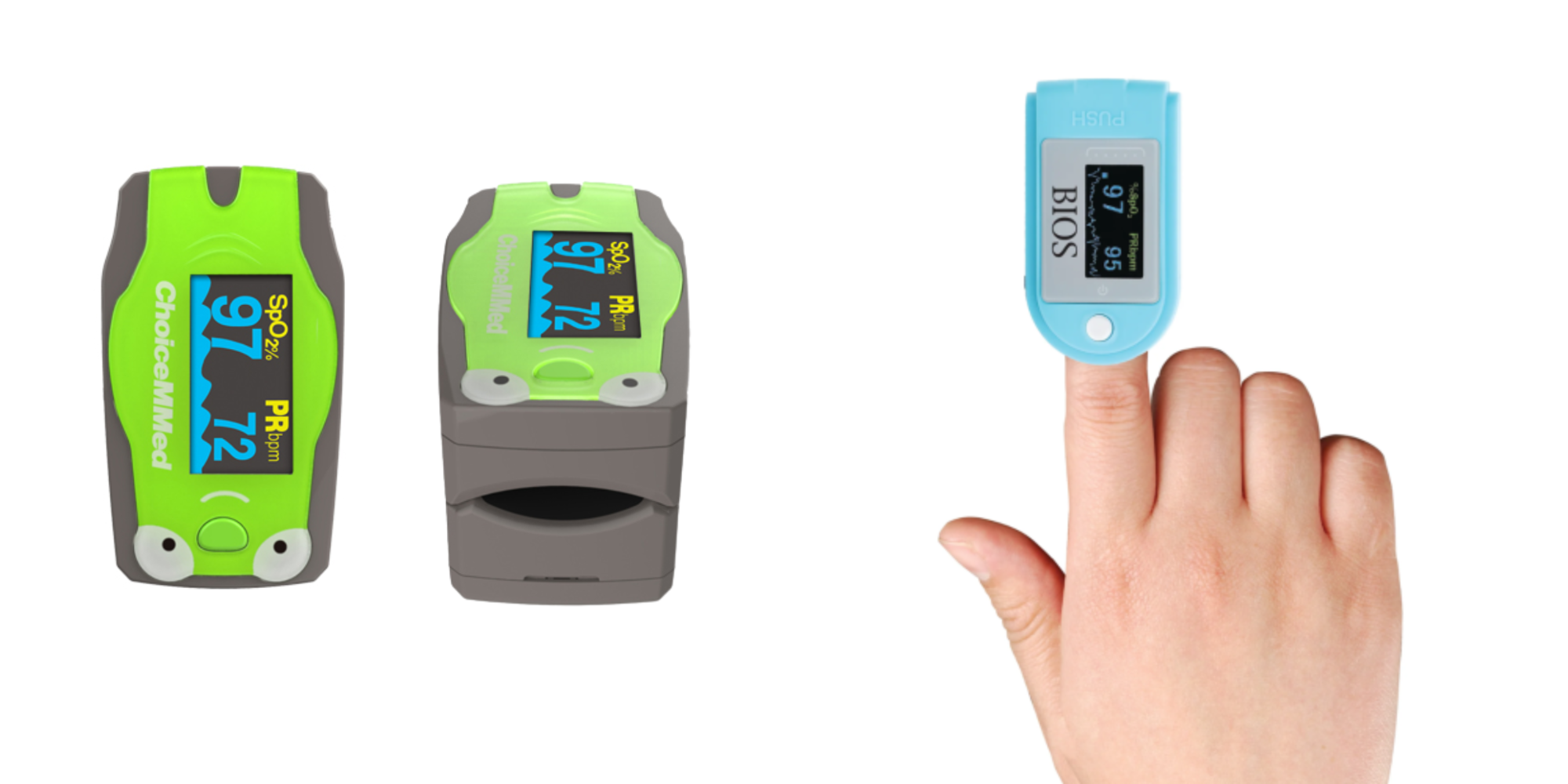
Pulse oximetry is now a baseline vital sign in virtually every clinical encounter. Consumer-grade oximeters are widely available, but clinical-grade devices offer significantly better accuracy across a full range of skin tones, perfusion states, and motion conditions — a distinction that matters when a reading is informing a clinical decision rather than a wellness check. Surgo carries a range of options from fingertip spot-check units to tabletop continuous monitoring devices.
For practices managing chronic respiratory or cardiac patients, a high-quality pulse oximeter is one of the most cost-effective diagnostic investments in the room.
A traditional otoscope shows the clinician what is in the ear canal — and only the clinician. The FireFly Digital Video Otoscope changes that entirely. It captures high-definition video and still images of the ear canal and tympanic membrane in real time, displaying them on a connected screen so the patient can see exactly what the physician sees. This single capability transforms the ear examination from a one-sided assessment into a shared clinical moment that improves patient understanding, supports informed consent, and significantly strengthens referral documentation.
Surgo carries the full FireFly range — the DE500 wired, DE550 wireless, and the DE570 HD wireless for mobile use — giving clinics the flexibility to choose the configuration that fits their workflow. For teleconsultation or remote specialist review, the ability to transmit a recorded ear canal video rather than describing findings verbally is a meaningful clinical upgrade.
Sending every diagnostic question to an external lab introduces delay at exactly the moment a prescribing decision needs to be made. Point-of-care rapid testing brings results for strep throat, influenza A/B, urinalysis, mono, and other common presentations directly into the exam room — typically within 5 to 15 minutes. The clinical impact is immediate: treatment decisions are made on confirmed results rather than clinical suspicion alone, antibiotic stewardship improves, and unnecessary prescribing decreases.
For walk-in clinics, urgent care centres, and high-volume family practices, in-clinic rapid testing also reduces the number of patients who require a follow-up call once lab results return — a meaningful efficiency gain for both staff and patients. Modern CLIA-waived point-of-care devices require minimal training and integrate cleanly into existing clinic workflows.
Manual sphygmomanometry introduces variability at every step: cuff placement, inflation rate, observer bias, digit preference, and patient anxiety in the presence of a clinician. Automated clinical-grade BP monitors eliminate most of these variables. The BIOS line carried by Surgo uses validated algorithms that meet Canadian Hypertension Education Program (CHEP) standards and can perform unattended automated office blood pressure (AOBP) measurements — the reading method now preferred by Hypertension Canada guidelines for its superior correlation with ambulatory monitoring.
Quick comparison — all 10 at a glance
| # | Product | Best for | Key benefit | All specialties? |
|---|---|---|---|---|
| 01 | Littmann CORE Digital Stethoscope | All physicians | 40× amplification, sound recording | Yes |
| 02 | Welch Allyn Connex Spot Monitor | Multi-physician clinics | All vitals in one device, EMR integration | Yes |
| 03 | DermLite Dermatoscope | GPs, dermatology | Subsurface lesion visualisation | Most |
| 04 | 12-Lead ECG Machine | GPs, internal medicine | Eliminates cardiology referral wait | Most |
| 05 | Veinlite Vein Finder | All clinics with blood draws | Fewer failed venipuncture attempts | Yes |
| 06 | Digital Spirometer | Respirology, occ. health | In-house lung function testing | Most |
| 07 | Clinical-Grade Pulse Oximeter | All physicians | Accurate SpO2 across all skin tones | Yes |
| 08 | Automated Tympanometer | Paediatrics, ENT, GPs | Objective middle ear measurement | Most |
| 09 | BIOS Automated BP Monitor | Family medicine | AOBP-capable, CHEP validated | Yes |
| 10 | Diagnostic Audiometer | GPs, occ. health, ENT | In-clinic pure-tone audiometry | Most |
Yes = relevant to virtually all clinic types · Most = specialty or workflow dependent
Not sure where to start?
Speak with a Surgo specialist. We'll help you identify which of these devices will deliver the most impact for your specific clinic and patient population.
Browse diagnostic equipment at surgo.com





Diagnostic technology has advanced significantly over the past decade. The devices that were once reserved for hospital departments are now practical, affordable, and expected in a well-equipped primary care clinic. This guide covers the ten high-tech diagnostic products that are making the biggest clinical impact in Canadian practices today, what each one does, why it matters, and what to look for when buying.
The Littmann CORE is the most significant advancement in stethoscope technology in a generation. It amplifies acoustic sound up to 40 times compared to a traditional stethoscope, which makes it transformative for physicians managing patients with obesity, chronic respiratory conditions, or anyone where traditional auscultation is difficult. The CORE also connects to the Eko app, allowing clinicians to visualise, record, and share heart and lung sounds directly from the device — a capability that has real implications for teleconsultation, specialist referrals, and ongoing documentation.
For clinics still using analogue stethoscopes from a decade ago, this is the single most impactful upgrade available at the point-of-care level.
The Connex Spot Monitor consolidates blood pressure, SpO2, pulse rate, and temperature into a single connected device. Rather than moving between four separate instruments per patient, staff complete a full vital signs assessment in one workflow — and the data transfers directly to your EMR. The Connex platform also supports Welch Allyn's SureBP technology, which delivers a reading in a single inflation cycle, reducing patient discomfort and per-visit time at triage.
For busy multi-physician clinics, the time savings across a full day of appointments are substantial. The EMR integration alone justifies the investment for most practices.
Dermoscopy has become a standard of care for skin lesion assessment in family medicine, not just dermatology. The DermLite series uses polarised LED illumination to visualise subsurface skin structures that are invisible to the naked eye — allowing clinicians to differentiate benign from suspicious lesions at the point of care with significantly greater confidence than unaided examination alone.
The DermLite DL100 is an accessible entry point for general practitioners, while the DL200 Hybrid offers both polarised and non-polarised modes for clinicians who want greater diagnostic flexibility. Both connect to a smartphone for image capture and documentation, which supports referral letters and ongoing monitoring of existing lesions.
An in-clinic 12-lead ECG eliminates one of the most common and frustrating referral bottlenecks in primary care. Modern ECG machines are compact, fast, and produce print-ready or digitally transferable results in under two minutes. Many units now include interpretation software that flags rhythm abnormalities automatically — a useful clinical aid, though never a replacement for physician review.
For any clinic managing patients with cardiovascular risk factors, hypertension, diabetes, or unexplained dyspnoea or palpitations, in-house ECG capability is no longer optional. It is an expectation of a complete primary care workup.
Veinlite uses transillumination technology to make subcutaneous veins visible through the skin — even in patients where veins are notoriously difficult to access: elderly patients, patients with obesity, those with a history of frequent venipuncture, or paediatric patients. The result is fewer failed attempts, less patient distress, and faster blood collection workflows.
In clinics that manage high volumes of blood draws or IV insertions, a Veinlite pays for itself quickly in reduced nursing time and fewer repeat attempts. It is one of those devices that staff wonder how they managed without once it is in the room.
Spirometry is the gold standard for diagnosing and monitoring obstructive and restrictive lung disease. Modern digital spirometers are compact, single-use mouthpiece-based, and produce ATS/ERS-compliant results with automatically generated predicted value comparisons. For clinics managing asthma, COPD, or occupational lung disease, in-house spirometry eliminates the wait times associated with hospital pulmonary function referrals and gives physicians the data they need at the point of prescribing decision.
It is also increasingly required for pre-employment and workplace health assessments, making it a revenue-generating asset for occupational health practices.
Pulse oximetry is now a baseline vital sign in virtually every clinical encounter. Consumer-grade oximeters are widely available, but clinical-grade devices offer significantly better accuracy across a full range of skin tones, perfusion states, and motion conditions — a distinction that matters when a reading is informing a clinical decision rather than a wellness check. Surgo carries a range of options from fingertip spot-check units to tabletop continuous monitoring devices.
For practices managing chronic respiratory or cardiac patients, a high-quality pulse oximeter is one of the most cost-effective diagnostic investments in the room.
A traditional otoscope shows the clinician what is in the ear canal — and only the clinician. The FireFly Digital Video Otoscope changes that entirely. It captures high-definition video and still images of the ear canal and tympanic membrane in real time, displaying them on a connected screen so the patient can see exactly what the physician sees. This single capability transforms the ear examination from a one-sided assessment into a shared clinical moment that improves patient understanding, supports informed consent, and significantly strengthens referral documentation.
Surgo carries the full FireFly range — the DE500 wired, DE550 wireless, and the DE570 HD wireless for mobile use — giving clinics the flexibility to choose the configuration that fits their workflow. For teleconsultation or remote specialist review, the ability to transmit a recorded ear canal video rather than describing findings verbally is a meaningful clinical upgrade.
Sending every diagnostic question to an external lab introduces delay at exactly the moment a prescribing decision needs to be made. Point-of-care rapid testing brings results for strep throat, influenza A/B, urinalysis, mono, and other common presentations directly into the exam room — typically within 5 to 15 minutes. The clinical impact is immediate: treatment decisions are made on confirmed results rather than clinical suspicion alone, antibiotic stewardship improves, and unnecessary prescribing decreases.
For walk-in clinics, urgent care centres, and high-volume family practices, in-clinic rapid testing also reduces the number of patients who require a follow-up call once lab results return — a meaningful efficiency gain for both staff and patients. Modern CLIA-waived point-of-care devices require minimal training and integrate cleanly into existing clinic workflows.
Manual sphygmomanometry introduces variability at every step: cuff placement, inflation rate, observer bias, digit preference, and patient anxiety in the presence of a clinician. Automated clinical-grade BP monitors eliminate most of these variables. The BIOS line carried by Surgo uses validated algorithms that meet Canadian Hypertension Education Program (CHEP) standards and can perform unattended automated office blood pressure (AOBP) measurements — the reading method now preferred by Hypertension Canada guidelines for its superior correlation with ambulatory monitoring.
Quick comparison — all 10 at a glance
| # | Product | Best for | Key benefit | All specialties? |
|---|---|---|---|---|
| 01 | Littmann CORE Digital Stethoscope | All physicians | 40× amplification, sound recording | Yes |
| 02 | Welch Allyn Connex Spot Monitor | Multi-physician clinics | All vitals in one device, EMR integration | Yes |
| 03 | DermLite Dermatoscope | GPs, dermatology | Subsurface lesion visualisation | Most |
| 04 | 12-Lead ECG Machine | GPs, internal medicine | Eliminates cardiology referral wait | Most |
| 05 | Veinlite Vein Finder | All clinics with blood draws | Fewer failed venipuncture attempts | Yes |
| 06 | Digital Spirometer | Respirology, occ. health | In-house lung function testing | Most |
| 07 | Clinical-Grade Pulse Oximeter | All physicians | Accurate SpO2 across all skin tones | Yes |
| 08 | Automated Tympanometer | Paediatrics, ENT, GPs | Objective middle ear measurement | Most |
| 09 | BIOS Automated BP Monitor | Family medicine | AOBP-capable, CHEP validated | Yes |
| 10 | Diagnostic Audiometer | GPs, occ. health, ENT | In-clinic pure-tone audiometry | Most |
Yes = relevant to virtually all clinic types · Most = specialty or workflow dependent
Not sure where to start?
Speak with a Surgo specialist. We'll help you identify which of these devices will deliver the most impact for your specific clinic and patient population.
Browse diagnostic equipment at surgo.com
