
Fit Testing and NIOSH-Certified N95 Respirators: What You Need to Know
In healthcare facilities, laboratories, and workplaces where airborne hazards exist, proper respiratory protection is not optional, it’s essential. Two elements are critical to keeping staff safe: fit testing and NIOSH-certified N95 respirators.
Whether you are managing a hospital in Toronto, a clinic in Vancouver, or an occupational safety program in Calgary, understanding these requirements is key to compliance with Canadian and international health standards.
What is Fit Testing?
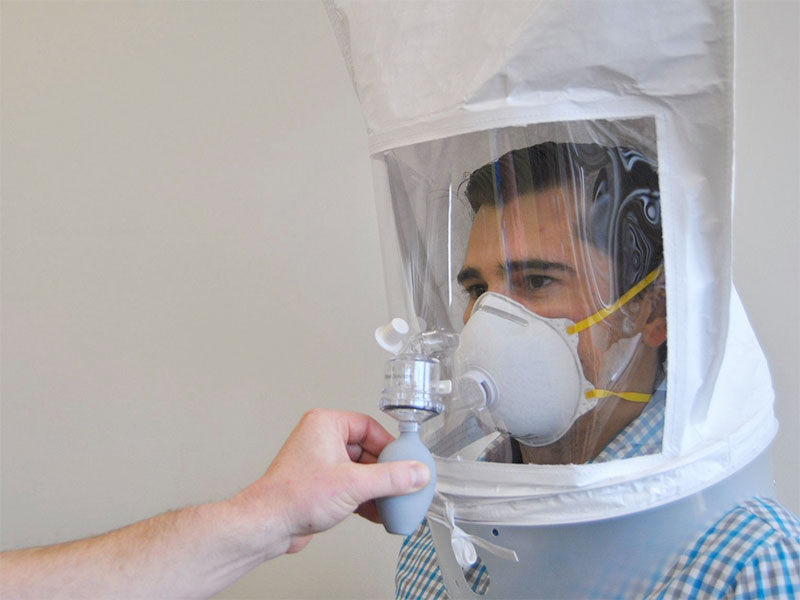
Fit testing is the process of verifying that an N95 respirator fits an individual’s face securely, creating an airtight seal to protect against airborne particles. Because facial structures vary widely, one mask model does not fit everyone. Fit testing ensures that each staff member’s mask provides the intended level of protection.
There are two main methods of fit testing used in Canada:
- Qualitative Fit Testing (QLFT) – Uses taste or odor-based agents to detect leaks in the mask seal.
- Quantitative Fit Testing (QNFT) – Uses specialized equipment to measure the mask’s seal and particle penetration, providing a numeric fit factor.
Canadian workplaces should stock multiple N95 respirator models to accommodate diverse face shapes and sizes, ensuring all employees pass fit testing without compromising comfort or safety.
What is a NIOSH-Certified N95 Respirator?
A NIOSH-certified N95 respirator meets the rigorous standards of the National Institute for Occupational Safety and Health (NIOSH) in the United States and is recognized internationally, including in Canada.
Key features of a NIOSH-approved N95 respirator include:
- Filters at least 95% of airborne particles, including dust, allergens, and pathogens.
- Forms a tight seal around the edges of the mask to prevent leaks.
- Has a visible NIOSH approval number stamped on the mask, with proof of NIOSH registration printed on the packaging.
In Canada, NIOSH-certified respirators are widely accepted for occupational safety, particularly in healthcare, construction, and laboratory environments.
Why Fit Testing and Proper Respirators Are Critical
Even a top-rated N95 mask cannot provide full protection if it does not fit correctly. Fit testing in combination with NIOSH-certified respirators ensures:
- Maximum filtration efficiency.
- Compliance with Canadian Centre for Occupational Health and Safety (CCOHS) and WorkSafe Canada regulations.
- Protection against airborne pathogens, including influenza, tuberculosis, and other respiratory hazards.
Healthcare facilities across Canada, from Montreal to Calgary, rely on this combination to protect staff, patients, and visitors.
Planning for Mask Supply in Canada
Respirator availability can fluctuate due to global demand and supply chain challenges. Canadian healthcare facilities should:
- Stock multiple mask models that staff have been fit tested on.
- Maintain a sufficient supply to avoid interruptions in protection.
- Coordinate with Canadian suppliers to ensure continued access to NIOSH-certified masks.
Changing mask models frequently requires repeat fit testing, which can increase costs and reduce staff protection.
FAQ: Fit Testing and N95 Respirators in Canada
Q1: Who needs fit testing in Canada?
A: Any healthcare worker, laboratory technician, or worker exposed to airborne hazards must be fit tested for N95 respirators, in accordance with WorkSafe Canada and provincial regulations.
Q2: How often should fit testing be done?
A: Fit testing is required annually, or whenever there is a change in mask model, facial structure (e.g., weight gain/loss, dental work), or regulations.
Q3: Can a Canadian clinic use N95 masks without NIOSH certification?
A: Only NIOSH-approved N95 respirators provide the full protection required for occupational safety. Masks without certification may not filter airborne particles effectively.
Q4: Are there Canadian alternatives to NIOSH-certified masks?
A: Some masks are CSA-certified or meet other Canadian standards (e.g., KN95 equivalents), but NIOSH-certified N95s remain the gold standard for high-risk settings.
Q5: Where can Canadian facilities get fit testing services?
A: Fit testing can be performed by certified occupational health providers across Canada. Many suppliers offer on-site or mobile fit testing services for hospitals, clinics, and industrial workplaces.
Q6: How should Canadian facilities handle mask shortages?
A: Facilities should secure consistent suppliers, maintain multiple approved models, and plan for rotation schedules to prevent gaps in protection.
Key Takeaways for Canadian Workplaces
- Fit testing is mandatory for proper N95 respirator protection.
- Only NIOSH-certified N95 respirators provide reliable filtration and protection.
- Maintain multiple mask options to accommodate all staff.
- Ensure continued access to tested respirators to avoid gaps in safety compliance.
For Canadian healthcare facilities, laboratories, and high-risk workplaces, proper fit testing and certified respirators are essential for protecting staff and ensuring compliance with occupational health regulations.
In healthcare facilities, laboratories, and workplaces where airborne hazards exist, proper respiratory protection is not optional, it’s essential. Two elements are critical to keeping staff safe: fit testing and NIOSH-certified N95 respirators.
Whether you are managing a hospital in Toronto, a clinic in Vancouver, or an occupational safety program in Calgary, understanding these requirements is key to compliance with Canadian and international health standards.
What is Fit Testing?
Fit testing is the process of verifying that an N95 respirator fits an individual’s face securely, creating an airtight seal to protect against airborne particles. Because facial structures vary widely, one mask model does not fit everyone. Fit testing ensures that each staff member’s mask provides the intended level of protection.
There are two main methods of fit testing used in Canada:
- Qualitative Fit Testing (QLFT) – Uses taste or odor-based agents to detect leaks in the mask seal.
- Quantitative Fit Testing (QNFT) – Uses specialized equipment to measure the mask’s seal and particle penetration, providing a numeric fit factor.
Canadian workplaces should stock multiple N95 respirator models to accommodate diverse face shapes and sizes, ensuring all employees pass fit testing without compromising comfort or safety.
What is a NIOSH-Certified N95 Respirator?
A NIOSH-certified N95 respirator meets the rigorous standards of the National Institute for Occupational Safety and Health (NIOSH) in the United States and is recognized internationally, including in Canada.
Key features of a NIOSH-approved N95 respirator include:
- Filters at least 95% of airborne particles, including dust, allergens, and pathogens.
- Forms a tight seal around the edges of the mask to prevent leaks.
- Has a visible NIOSH approval number stamped on the mask, with proof of NIOSH registration printed on the packaging.
In Canada, NIOSH-certified respirators are widely accepted for occupational safety, particularly in healthcare, construction, and laboratory environments.
Why Fit Testing and Proper Respirators Are Critical
Even a top-rated N95 mask cannot provide full protection if it does not fit correctly. Fit testing in combination with NIOSH-certified respirators ensures:
- Maximum filtration efficiency.
- Compliance with Canadian Centre for Occupational Health and Safety (CCOHS) and WorkSafe Canada regulations.
- Protection against airborne pathogens, including influenza, tuberculosis, and other respiratory hazards.
Healthcare facilities across Canada, from Montreal to Calgary, rely on this combination to protect staff, patients, and visitors.
Planning for Mask Supply in Canada
Respirator availability can fluctuate due to global demand and supply chain challenges. Canadian healthcare facilities should:
- Stock multiple mask models that staff have been fit tested on.
- Maintain a sufficient supply to avoid interruptions in protection.
- Coordinate with Canadian suppliers to ensure continued access to NIOSH-certified masks.
Changing mask models frequently requires repeat fit testing, which can increase costs and reduce staff protection.
FAQ: Fit Testing and N95 Respirators in Canada
Q1: Who needs fit testing in Canada?
A: Any healthcare worker, laboratory technician, or worker exposed to airborne hazards must be fit tested for N95 respirators, in accordance with WorkSafe Canada and provincial regulations.
Q2: How often should fit testing be done?
A: Fit testing is required annually, or whenever there is a change in mask model, facial structure (e.g., weight gain/loss, dental work), or regulations.
Q3: Can a Canadian clinic use N95 masks without NIOSH certification?
A: Only NIOSH-approved N95 respirators provide the full protection required for occupational safety. Masks without certification may not filter airborne particles effectively.
Q4: Are there Canadian alternatives to NIOSH-certified masks?
A: Some masks are CSA-certified or meet other Canadian standards (e.g., KN95 equivalents), but NIOSH-certified N95s remain the gold standard for high-risk settings.
Q5: Where can Canadian facilities get fit testing services?
A: Fit testing can be performed by certified occupational health providers across Canada. Many suppliers offer on-site or mobile fit testing services for hospitals, clinics, and industrial workplaces.
Q6: How should Canadian facilities handle mask shortages?
A: Facilities should secure consistent suppliers, maintain multiple approved models, and plan for rotation schedules to prevent gaps in protection.
Key Takeaways for Canadian Workplaces
- Fit testing is mandatory for proper N95 respirator protection.
- Only NIOSH-certified N95 respirators provide reliable filtration and protection.
- Maintain multiple mask options to accommodate all staff.
- Ensure continued access to tested respirators to avoid gaps in safety compliance.
For Canadian healthcare facilities, laboratories, and high-risk workplaces, proper fit testing and certified respirators are essential for protecting staff and ensuring compliance with occupational health regulations.
