
In the fast-evolving field of dermatology, diagnostic precision is paramount. For years, the standard pocket dermatoscope has been a trusty companion for skin examinations, offering a glimpse below the skin surface that the naked eye simply cannot provide. However, medical technology does not stand still.
As we move through 2026, the gap between older models and the latest devices has widened significantly. Modern dermatoscopes are no longer just magnifying glasses with lights; they are sophisticated diagnostic tools designed to enhance patient care and streamline your clinical workflow. If you are still relying on a device from five or ten years ago, you may be missing out on critical features that can improve diagnostic accuracy and efficiency.
Here are five compelling reasons why now is the perfect time to upgrade your pocket dermatoscope.
1. Hybrid Illumination Offers Superior Diagnostic Clarity
One of the most significant advancements in recent years is the refinement of illumination technology. Older dermatoscopes typically relied on a single type of lighting, often just cross-polarized light, to reduce surface glare. While effective for seeing deeper structures, it sometimes obscures superficial features that are critical for a complete diagnosis.
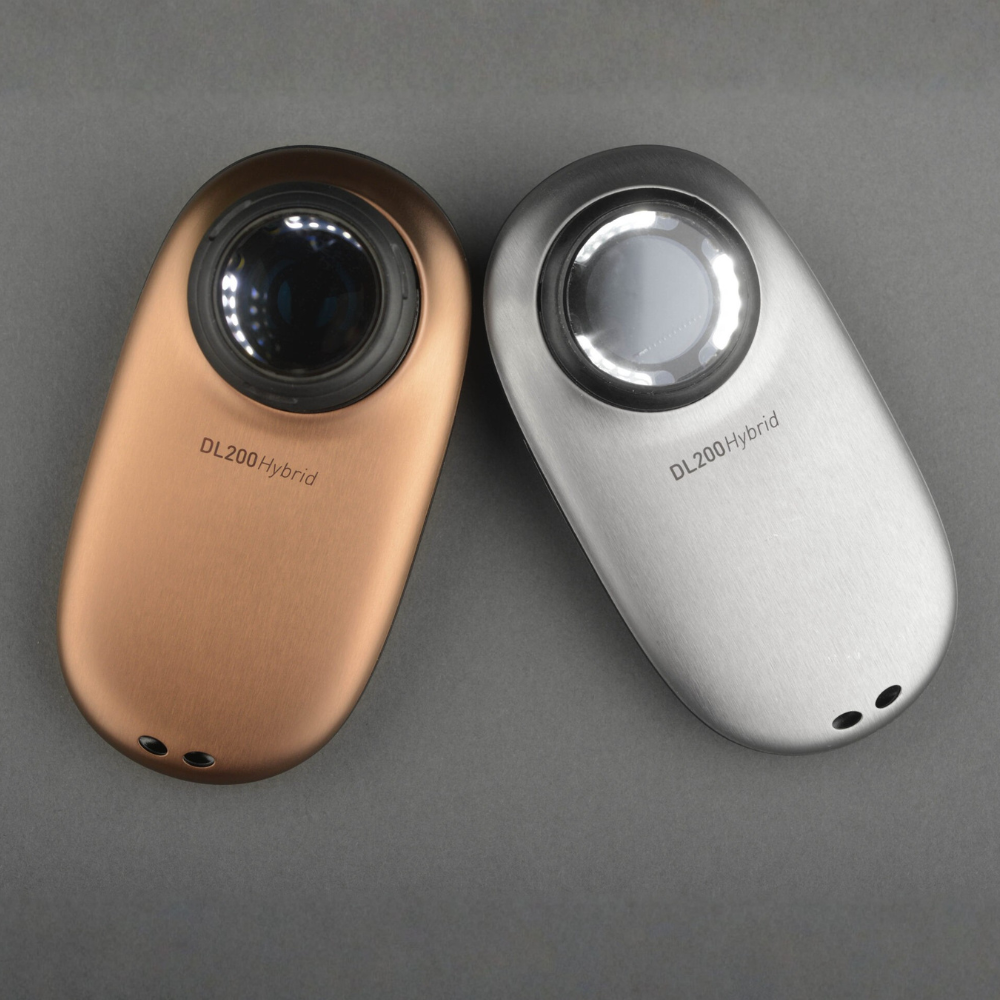
Today’s best pocket dermatoscope 2026 models feature hybrid illumination. This technology allows you to toggle instantly between polarized and non-polarized light modes.
- Polarized Light: excellent for visualizing deeper pigment and vascular structures without the need for immersion fluids.
- Non-Polarized Light: essential for assessing the superficial skin surface, such as milia-like cysts or scaling.
By upgrading, you gain the ability to switch views with the touch of a button. This versatility ensures you don't miss subtle clues, providing a more comprehensive assessment of lesions during your initial screening.
2. Seamless Digital Image Capture Integration
Documentation is a cornerstone of modern medical practice. Historically, capturing high-quality dermoscopic images required bulky camera attachments or awkward maneuvering with a separate camera lens. This often disrupted the patient encounter and added unnecessary time to appointments.
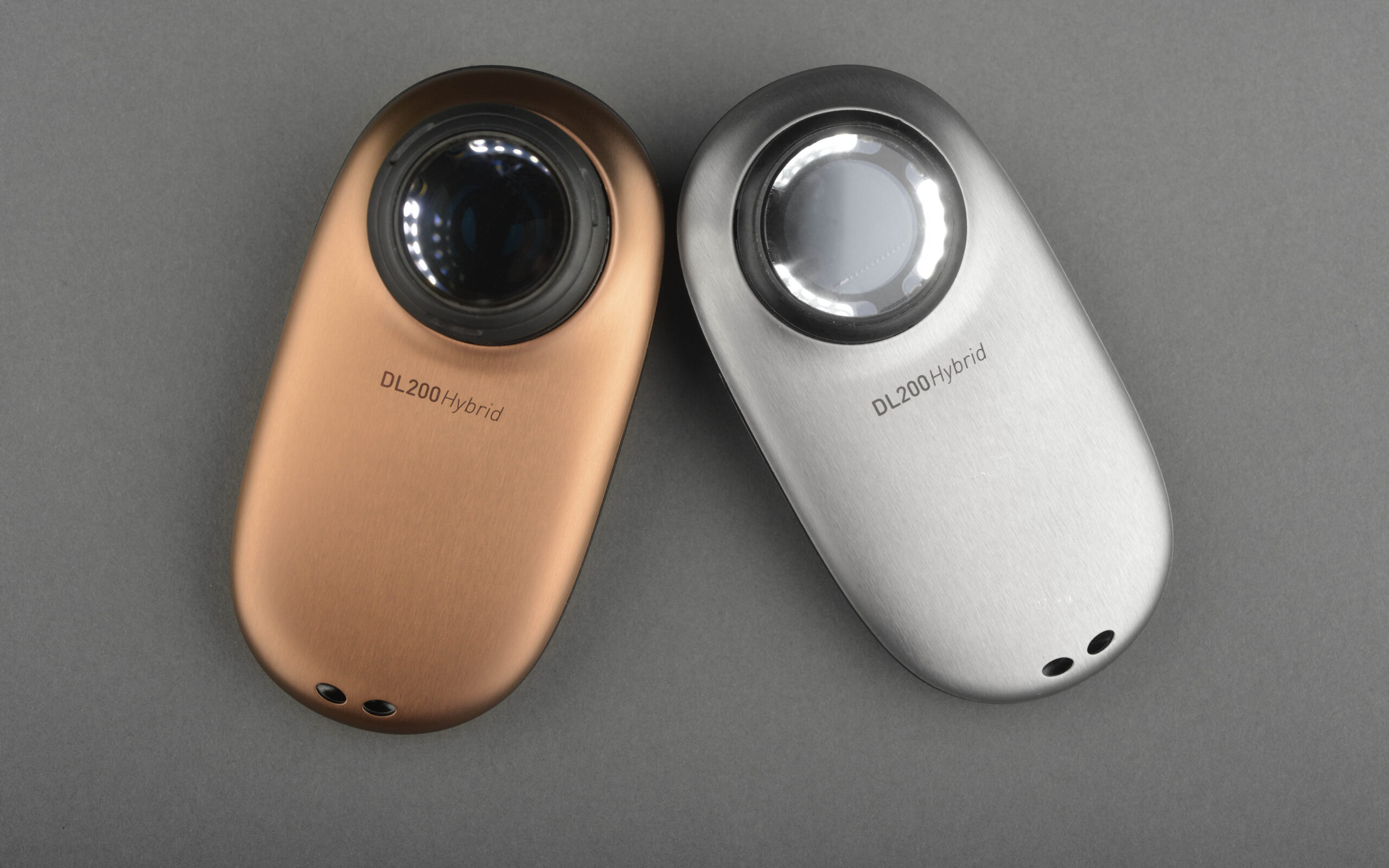
Newer devices are built with universal connectivity in mind. They are designed to attach magnetically or via secure clips to virtually any smartphone or tablet. This integration transforms your standard mobile device into a high-resolution dermatoscopic camera.
- Workflow Efficiency: Snap a photo and upload it directly to your Electronic Health Record (EHR) system securely.
- Patient Education: Show patients exactly what you are seeing on a larger screen immediately, improving communication and trust.
- Teledermatology Ready: With the rise of remote care, having the ability to capture and share clear, standardized images is vital for consultations with specialists or for monitoring widespread patient populations.
3. Enhanced Portability and Ergonomics
Medical professionals are constantly on the move, whether transitioning between exam rooms in a busy clinic or visiting patients during hospital rounds. Heavy, cumbersome equipment can become a burden over a long shift.
Manufacturers have prioritized ergonomics and portability in the latest generation of dermatoscopes. Modern units are significantly lighter and more compact without sacrificing lens quality. They fit comfortably in a scrub pocket or lab coat without weighing you down.
Furthermore, the materials used in newer housing designs are often more durable and easier to sanitize—a critical factor in maintaining infection control standards in hospitals and private practices. An upgrade means a tool that is easier to carry, easier to hold during long exams, and easier to keep clean.
4. Improved Battery Life and Sustainability
There is nothing more frustrating than a diagnostic tool failing in the middle of a patient examination. Older devices often utilized disposable batteries or had rechargeable cells that degraded quickly over time, leading to frequent interruptions.
When you decide to upgrade your pocket dermatoscope, you are investing in modern power management. The latest devices feature long-lasting lithium-ion batteries capable of lasting weeks on a single charge, depending on usage. many also include convenient USB-C charging or desktop charging bases that ensure your device is always ready when you are.
Beyond reliability, moving away from disposable batteries supports broader sustainability goals within healthcare facilities, reducing waste and long-term operational costs.
5. Better Optics for Greater Detail
At the heart of any dermatoscope is its lens. While your current device might provide adequate magnification, optical technology has made leaps in clarity and edge-to-edge sharpness.
Newer models often utilize larger fields of view and high-quality glass optics that minimize distortion. A larger lens allows you to view a greater surface area of a lesion at once, providing better context for irregular borders or satellite lesions.
High-performance optics reduce eye strain for the practitioner and facilitate quicker recognition of dermoscopic structures. When you can see more clearly, you can make decisions more confidently. This direct improvement in visual data supports better clinical outcomes and reduces the likelihood of unnecessary biopsies or missed diagnoses.
Conclusion
The tools you use are an extension of your expertise. While a classic dermatoscope can still function, the advancements found in the best pocket dermatoscope 2026 models offer tangible benefits that go beyond simple magnification. From hybrid lighting that reveals hidden details to seamless digital integration that modernizes your documentation, these features are designed to support the high standard of care your patients expect.
Investing in new technology is an investment in your practice’s efficiency and diagnostic capability. If you are ready to enhance patient care and streamline your daily workflow, explore the latest range of professional dermatoscopes today.
Ready to see the difference? Shop our entire range of Pocket Dermoscopy devices here.
Dermatoscope Upgrade FAQs
Q: What exactly is hybrid illumination, and why is it important?
A: Hybrid illumination combines both polarized and non-polarized lighting in a single device. This allows you to switch between viewing deeper structures (with polarized light) and superficial skin features (with non-polarized light) instantly. This versatility provides a more complete view of a lesion, enhancing diagnostic accuracy without needing multiple devices or immersion fluids.
Q: How do new dermatoscopes integrate with smartphones for image capture?
A: Modern dermatoscopes are designed for seamless integration. Most new models use a universal magnetic or clip-on adapter that securely attaches to almost any smartphone. This allows you to use your phone's camera to capture high-resolution dermoscopic images, which can then be easily saved to a patient’s electronic health record (EHR), used for teledermatology consultations, or shown to patients for educational purposes.
Q: Will upgrading to a newer model improve my diagnostic workflow?
A: Yes, upgrading can significantly streamline your workflow. Features like integrated digital imaging reduce the time spent on documentation. Enhanced ergonomics and lighter designs minimize physical strain during long clinics. Furthermore, long-lasting rechargeable batteries ensure your device is always operational, preventing interruptions during patient examinations.
Q: Are newer pocket dermatoscopes more durable and easier to clean?
A: The latest generation of pocket dermatoscopes is built with the demands of a busy clinical environment in mind. They often feature more robust materials and ergonomic designs that are not only lighter but also more resistant to drops and daily wear. Additionally, their construction facilitates easier and more effective cleaning and disinfection, which is critical for maintaining infection control standards.
Q: Is there a noticeable difference in optical quality with the latest models?
A: Absolutely. Newer dermatoscopes typically feature higher-quality optics with larger lens diameters. This results in a wider, clearer field of view with minimal distortion, even at the edges. The improved optical clarity reduces eye strain for the practitioner and allows for quicker and more confident identification of key dermoscopic structures, supporting better patient outcomes.
Q: My current dermatoscope still works. Is it truly necessary to upgrade?
A: While an older dermatoscope may still function, upgrading provides access to technological advancements that directly enhance patient care and diagnostic confidence. The superior clarity from hybrid illumination, the efficiency of integrated image capture, and the improved reliability of modern devices offer tangible benefits that can lead to more accurate diagnoses and an optimized clinical workflow.
In the fast-evolving field of dermatology, diagnostic precision is paramount. For years, the standard pocket dermatoscope has been a trusty companion for skin examinations, offering a glimpse below the skin surface that the naked eye simply cannot provide. However, medical technology does not stand still.
As we move through 2026, the gap between older models and the latest devices has widened significantly. Modern dermatoscopes are no longer just magnifying glasses with lights; they are sophisticated diagnostic tools designed to enhance patient care and streamline your clinical workflow. If you are still relying on a device from five or ten years ago, you may be missing out on critical features that can improve diagnostic accuracy and efficiency.
Here are five compelling reasons why now is the perfect time to upgrade your pocket dermatoscope.
1. Hybrid Illumination Offers Superior Diagnostic Clarity
One of the most significant advancements in recent years is the refinement of illumination technology. Older dermatoscopes typically relied on a single type of lighting, often just cross-polarized light, to reduce surface glare. While effective for seeing deeper structures, it sometimes obscures superficial features that are critical for a complete diagnosis.
Today’s best pocket dermatoscope 2026 models feature hybrid illumination. This technology allows you to toggle instantly between polarized and non-polarized light modes.
- Polarized Light: excellent for visualizing deeper pigment and vascular structures without the need for immersion fluids.
- Non-Polarized Light: essential for assessing the superficial skin surface, such as milia-like cysts or scaling.
By upgrading, you gain the ability to switch views with the touch of a button. This versatility ensures you don't miss subtle clues, providing a more comprehensive assessment of lesions during your initial screening.
2. Seamless Digital Image Capture Integration
Documentation is a cornerstone of modern medical practice. Historically, capturing high-quality dermoscopic images required bulky camera attachments or awkward maneuvering with a separate camera lens. This often disrupted the patient encounter and added unnecessary time to appointments.
Newer devices are built with universal connectivity in mind. They are designed to attach magnetically or via secure clips to virtually any smartphone or tablet. This integration transforms your standard mobile device into a high-resolution dermatoscopic camera.
- Workflow Efficiency: Snap a photo and upload it directly to your Electronic Health Record (EHR) system securely.
- Patient Education: Show patients exactly what you are seeing on a larger screen immediately, improving communication and trust.
- Teledermatology Ready: With the rise of remote care, having the ability to capture and share clear, standardized images is vital for consultations with specialists or for monitoring widespread patient populations.
3. Enhanced Portability and Ergonomics
Medical professionals are constantly on the move, whether transitioning between exam rooms in a busy clinic or visiting patients during hospital rounds. Heavy, cumbersome equipment can become a burden over a long shift.
Manufacturers have prioritized ergonomics and portability in the latest generation of dermatoscopes. Modern units are significantly lighter and more compact without sacrificing lens quality. They fit comfortably in a scrub pocket or lab coat without weighing you down.
Furthermore, the materials used in newer housing designs are often more durable and easier to sanitize—a critical factor in maintaining infection control standards in hospitals and private practices. An upgrade means a tool that is easier to carry, easier to hold during long exams, and easier to keep clean.
4. Improved Battery Life and Sustainability
There is nothing more frustrating than a diagnostic tool failing in the middle of a patient examination. Older devices often utilized disposable batteries or had rechargeable cells that degraded quickly over time, leading to frequent interruptions.
When you decide to upgrade your pocket dermatoscope, you are investing in modern power management. The latest devices feature long-lasting lithium-ion batteries capable of lasting weeks on a single charge, depending on usage. many also include convenient USB-C charging or desktop charging bases that ensure your device is always ready when you are.
Beyond reliability, moving away from disposable batteries supports broader sustainability goals within healthcare facilities, reducing waste and long-term operational costs.
5. Better Optics for Greater Detail
At the heart of any dermatoscope is its lens. While your current device might provide adequate magnification, optical technology has made leaps in clarity and edge-to-edge sharpness.
Newer models often utilize larger fields of view and high-quality glass optics that minimize distortion. A larger lens allows you to view a greater surface area of a lesion at once, providing better context for irregular borders or satellite lesions.
High-performance optics reduce eye strain for the practitioner and facilitate quicker recognition of dermoscopic structures. When you can see more clearly, you can make decisions more confidently. This direct improvement in visual data supports better clinical outcomes and reduces the likelihood of unnecessary biopsies or missed diagnoses.
Conclusion
The tools you use are an extension of your expertise. While a classic dermatoscope can still function, the advancements found in the best pocket dermatoscope 2026 models offer tangible benefits that go beyond simple magnification. From hybrid lighting that reveals hidden details to seamless digital integration that modernizes your documentation, these features are designed to support the high standard of care your patients expect.
Investing in new technology is an investment in your practice’s efficiency and diagnostic capability. If you are ready to enhance patient care and streamline your daily workflow, explore the latest range of professional dermatoscopes today.
Ready to see the difference? Shop our entire range of Pocket Dermoscopy devices here.
Dermatoscope Upgrade FAQs
Q: What exactly is hybrid illumination, and why is it important?
A: Hybrid illumination combines both polarized and non-polarized lighting in a single device. This allows you to switch between viewing deeper structures (with polarized light) and superficial skin features (with non-polarized light) instantly. This versatility provides a more complete view of a lesion, enhancing diagnostic accuracy without needing multiple devices or immersion fluids.
Q: How do new dermatoscopes integrate with smartphones for image capture?
A: Modern dermatoscopes are designed for seamless integration. Most new models use a universal magnetic or clip-on adapter that securely attaches to almost any smartphone. This allows you to use your phone's camera to capture high-resolution dermoscopic images, which can then be easily saved to a patient’s electronic health record (EHR), used for teledermatology consultations, or shown to patients for educational purposes.
Q: Will upgrading to a newer model improve my diagnostic workflow?
A: Yes, upgrading can significantly streamline your workflow. Features like integrated digital imaging reduce the time spent on documentation. Enhanced ergonomics and lighter designs minimize physical strain during long clinics. Furthermore, long-lasting rechargeable batteries ensure your device is always operational, preventing interruptions during patient examinations.
Q: Are newer pocket dermatoscopes more durable and easier to clean?
A: The latest generation of pocket dermatoscopes is built with the demands of a busy clinical environment in mind. They often feature more robust materials and ergonomic designs that are not only lighter but also more resistant to drops and daily wear. Additionally, their construction facilitates easier and more effective cleaning and disinfection, which is critical for maintaining infection control standards.
Q: Is there a noticeable difference in optical quality with the latest models?
A: Absolutely. Newer dermatoscopes typically feature higher-quality optics with larger lens diameters. This results in a wider, clearer field of view with minimal distortion, even at the edges. The improved optical clarity reduces eye strain for the practitioner and allows for quicker and more confident identification of key dermoscopic structures, supporting better patient outcomes.
Q: My current dermatoscope still works. Is it truly necessary to upgrade?
A: While an older dermatoscope may still function, upgrading provides access to technological advancements that directly enhance patient care and diagnostic confidence. The superior clarity from hybrid illumination, the efficiency of integrated image capture, and the improved reliability of modern devices offer tangible benefits that can lead to more accurate diagnoses and an optimized clinical workflow.
