
A child’s vein isn’t just a smaller version of an adult’s. It’s shallower, more fragile, easier to roll, and attached to a patient who is often terrified before the needle ever comes near them. For clinicians across Canadian pediatric units, EDs, and NICUs, that combination makes IV access one of the most consistently difficult — and consistently high-stakes — procedures in pediatric care.
Getting it right on the first try isn’t just a clinical win. For a frightened child and the caregiver standing beside them, it can shape how that entire hospital visit is remembered.
Why Pediatric IV Access Is Uniquely Challenging
Pediatric IV insertion carries a different risk profile than adult access, and not just becasue the veins are smaller. Clinicians are managing:
- Veins that are harder to see and easier to miss
- A patient who may not be able to stay still, or understand why they need to
- Higher emotional stakes for both the child and the parent or guardian in the room
- Less room for error, since repeated attempts affect small, fragile veins more severely
None of this means pediatric access is impossible to get right consistently — it means it demands tools and techniques built specifically for pediatric anatomy, not adult equipment used on a smaller scale.
Physical Differences in Pediatric Veins: Size, Depth, Fragility
Children’s veins differ from adult veins in ways that directly affect insertion success:
- Smaller diameter – less margin for error on needle placement
- Shallower depth – easy to overshoot, especially in infants
- Greater fragility – more prone to collapsing, blowing, or bruising under pressure
- Increased mobility – pediatric veins tend to roll more than adult veins, making stabilization harder
These differences compound each other. A vein that’s both shallow and prone to rolling gives a clinician very little room to work with – which is exactly why visualization technology built around pediatric anatomy makes such a measurable difference.
Special Considerations for Neonates and NICU Patients (Veinlite NEO)
Neonatal and NICU patients represent the most delicate end of the pediatric access spectrum. Their veins are smaller still, their skin is more sensitive, and their overall physiological stability is often more precarious than an older child’s - which means there’s even less tolerance for repeated attempts.
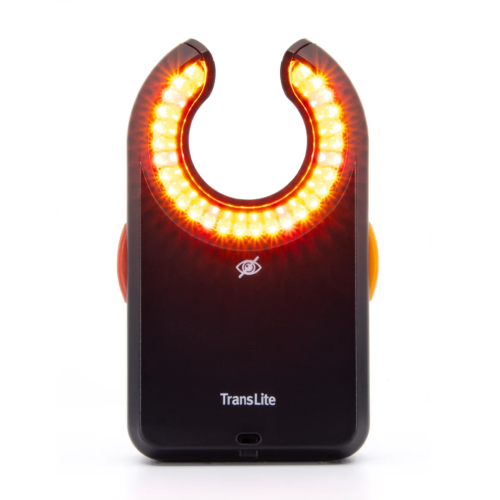
In this setting, visualization tools need to be gentle enough for newborn skin, precise enough for genuinely tiny veins, and built with the NICU environment in mind. This is where the Veinlite NEO (201-VNEO) is designed to fit – a device built exclusively for neonates, not adapted from a general pediatric tool. 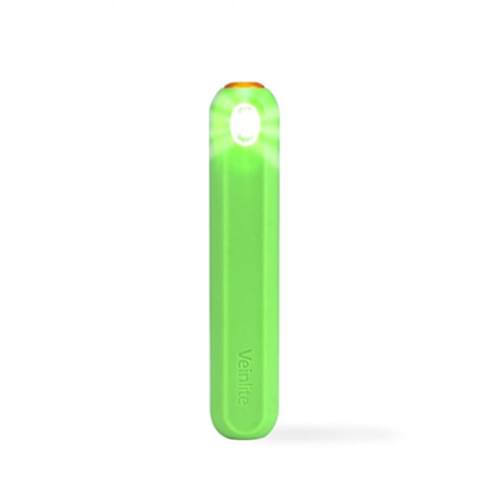
What sets the NEO apart:
- The only device on the market designed for arterial sticks in neonates, alongside vein visualization – a distinction that matters in a NICU setting where arterial access is sometimes needed
- Three switchable LED colours – green for arteries, orange for veins, and white for general examination, letting clinicians move between imaging needs and patient assessment with one device
- Three levels of brightness, adjustable to the procedure and the patient
- Through-the-body transillumination, tuned for the depth and scale of neonatal anatomy
- A genuinely compact form factor – just 96.1 x 19.0 x 16.5 mm and 29 grams with battery – sized for precise, controlled handling around a newborn
- Auto shut-off timer, reducing unnecessary light exposure for such a sensitive patient population
- Powered by a single AAA battery, with a lanyard attachment for quick access on a NICU floor
Pairing the NEO with Veinlite NEO / R Disposable Plastic Covers (201-VNEO-DPC) - latex-free, single-use barrier covers sold in packs of 50 – supports proper infection control in an environment where patients are especially vulnerable to cross-contamination.
The Emotional Toll: Fear, Anxiety, and Trauma in Young Patients
For a child, an IV isn’t a routine procedure – it's often the scariest part of a hospital visit. Fear of needles, unfamiliar surroundings, and separation anxiety all stack on top of the physical discomfort itself.
That anxiety doesn’t stay contained to the moment of insertion. Children who have a difficult or repeated-attempt experience with needles can carry that fear into future medical visits, sometimes for years. Reducing trauma at this stage isn’t just about kindness in the moment – it has real, lasting influence on how a child engages with healthcare going forward.
How Multiple Failed Attempts Affect Children Differently Than Adults
A missed IV attempt is frustrating for any patient, but it doesn’t land the same way for a child as it does for an adult. In pediatric patients, repeated attempts tend to:
- Intensify fear and resistance for the next attempt, creating a harder cycle to break
- Cause more visible physical distress – bruising and vein damage show up faster in fragile pediatric veins
- Erode trust in caregivers and the care environment more quickly
- Increase the emotional burden on parents or guardians watching the process unfold
Because the stakes compound with each failed attempt, first-try success matters more in pediatrics than in almost any other patient population.
Veinlite PEDI2 Pediatric Vein Finder (201-PEDI2)
The Veinlite PEDI2 was built specifically for pediatric anatomy – not adapted from an adult device, but designed from the ground up for patients ages 0 to 17. 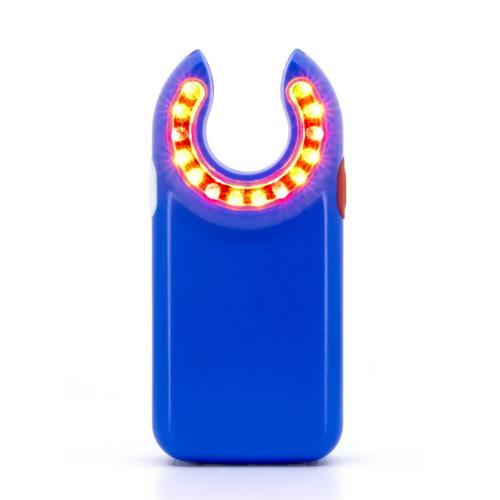
Reported clinical performance:
- 93% first-attempt success rate in clinical trials
- 100% ultimate success rate reported by clinicians using the device
- Effective across all pediatric age groups, from newborns through adolescents, and across all skin tones
What makes it suited for pediatric care:
- Side-transillumination technology – illuminates veins from the side for stronger contrast and depth perception, tuned for smaller, shallower pediatric veins
- One-handed, portable operation – easier to manage alongside a moving or anxious child
- Compatible with single-use disposable covers – supports infection control practices aligned with Health Canada guidance
- Complete kit – device, batteries, disposable covers, and a carrying case, ready for immediate clinical use
For pediatric hospitals, EDs, NICU/PICU units, and family medicine practices, the PEDI2 is built to reduce exactly the kind of repeated-attempt trauma pediatric patients are most vulnerable to.
Veinlite LED+ Universal Vein Finder (201-VLED+)
While the PEDI2 and NEO are purpose-built for neonatal anatomy specifically, the Veinlite LED+ plats an important supporting role in reducing overall attempts across a pediatric unit — particularly in mixed-age settings or when a broader visualization area helps a clinician assess multiple potential sites before committing to one.
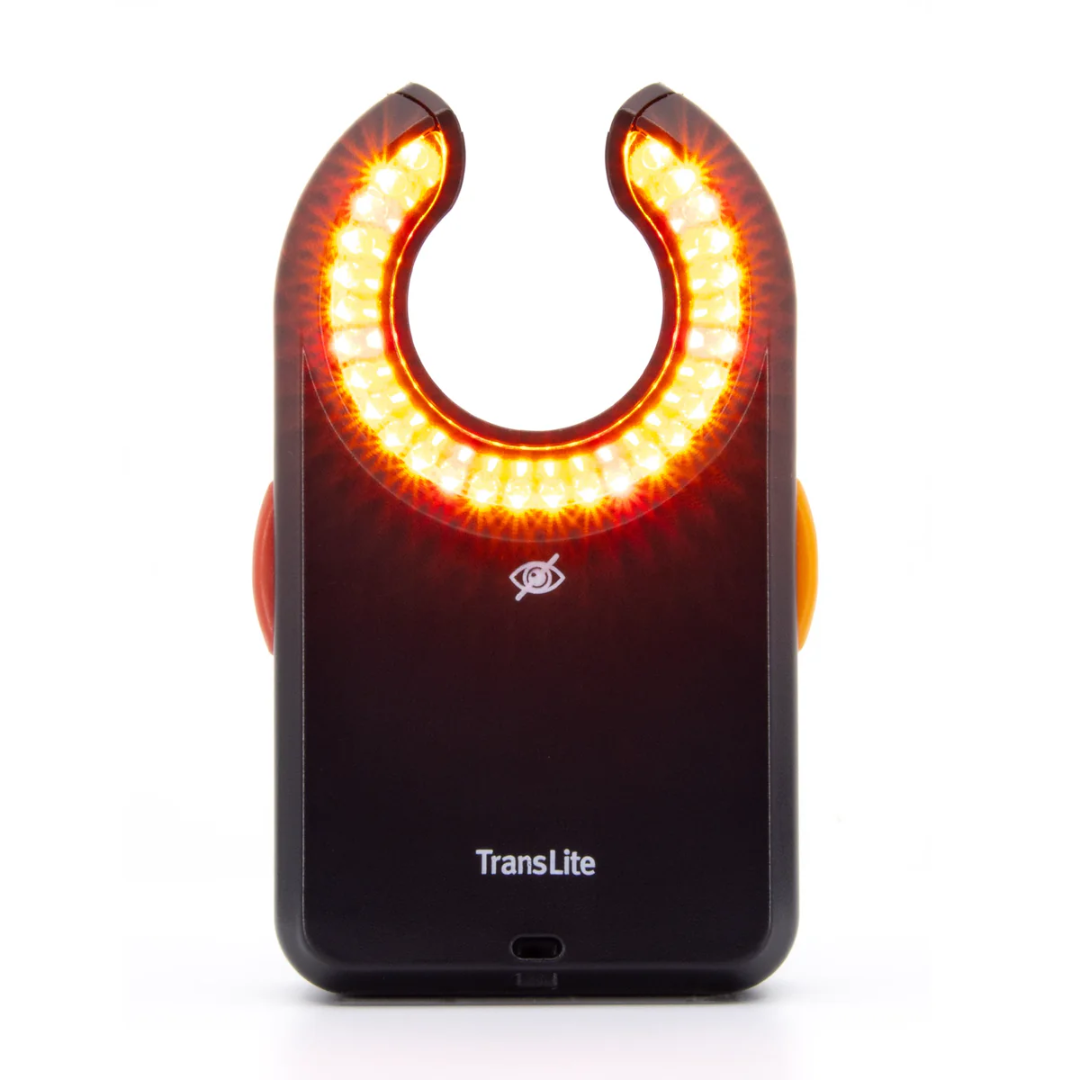
Why it earns a place in pediatric IV access:
- 28 bright LEDs with side-transillumination that penetrates up to 6mm deep, revealing veins, valves, and bifurcations clearly enough to plan the access site rather than guess at it
- 93% first-attempt success rate in clinical trials, compared to 72% with traditional technique and 45% with near-infrared devices
- Patented anti-rolling design — gently stabilizes veins during insertion, which matters when working with an older, more mobile pediatric patient who is difficult to keep still
- A dedicated pediatric adapter included in the kit, extending its usefulness specifically for younger patients
- Works across all patient ages and skin tones, making it a flexible option for units that see a wide age range in a single shift
- Compatible with single-use Veinlite LED+ Disposable Covers (201-VLED+DPC), supporting infection prevention aligned with Health Canada guidance
For teams that already rely on the LED+ across their broader clinical caseload, it’s a natural addition to the pediatric toolkit rather than a separate purchase decision – extending the same proven visualization technology to the moments where a wider field of view helps reduce the number of attempts before the right vein is found.
Techniques for Improving Visualization Across Age Groups
Pediatric patients aren’t a single population – a newborn, a toddler, and a teenager present very different access challenges. A few practices help across the full range:
- Match the tool to the age group – the PEDI2 for general pediatric use, the NEO for neonatal and NICU care
- Use side-transillumination over guesswork – visualizing depth and vein structure before the first stick, rather than relying on the palpation alone
- Involve the visualization step early – identifying the best possible site before the child is fully positioned reduces total time under stress
- Lean on the LED+ for broader visualization – as covered above, its wider field of view helps when assessing multiple potential sites before committing to one
The goal across every age group is the same: fewer sticks, less time, less distress.
The Role of Distraction and Calm Environments in Reducing Anxiety
Technology solves the visualization problem, but the emotional environment around the procedure matters just as much. Simple, well-established approaches help lower a child’s anxiety before the needle is even involved:
- Age-appropriate distraction – toys, screens, or conversation aimed at shifting focus away from the procedure
- Involving a parent or caregiver in a supportive, calming role rather than a restraining one
- Clear, simple, honest explanations suited to the child’s age
- A calm, unhurried approach from the clinical team, even when time pressure exists
None of this replaces clinical skill or the right device – but paired with strong first-attempt visualization, it changes the entire tone of the encounter.
How First-Attempt Success Changes the Experience for Child and Caregiver
When a clinician gets the IV on the first try, the impact goes well beyond the clinical outcome. For the child, it means less pain, less fear, and one fewer negative memory tied to hospitals and needles. For the caregiver standing beside them, it’s often the moment that defines their trust in the care team.
Fewer attempts also mean:
- Less physical trauma to fragile pediatric veins
- Shorter, calmer procedures overall
- A stronger sense of confidence for nursing and clinical staff
- A better overall experience that can shape how a family perceives the entire facility
In pediatric care, first-attempt success isn’t just an efficiency metric – its directly tied to patient and family experience.
Reduce Pediatric IV Trauma with the Right Tools
Pediatric IV access will always carry more emotional weight than routine adult venipuncture – but the right visualization tools go a long way toward making it faster, gentler, and less traumatic for both child and caregiver.
With the Veinlite PEDI2 for general pediatric use, the Veinlite NEO for the NICU and newborn nursery, and the Veinlite LED+ supporting broader visualization needs, Canadian clinical teams have purpose-built options across the full range of pediatric care – paired with disposable covers that support infection prevention practices aligned with Health Canada guidance.
Explore Veinlite pediatric solutions at Surgo Surgical Supply and give your team the tools to make every pediatric IV attempt count.
FAQ
What is the best vein finder for pediatric patients in Canada?
The Veinlite PEDI2 is purpose-built for patients ages 0-17, using side-transillumination technology tuned for smaller, shallower pediatric veins. For neonatal and NICU care specifically, the Veinlite NEO is designed for that more delicate patient population.
Why is pediatric IV access more difficult than adult access?
Pediatric veins are smaller, shallower, more fragile, and more prone to rolling than adult veins. Combined with a patient who may be frightened or unable to stay still, this makes precise, low-trauma insertion more difficult without the right visualization tools.
Does vein visualization technology really improve pediatric first-attempt success?
Yes. Clinical trials involving the Veinlite PEDI2 reported a 93% first-attempt success rate, with clinicians reporting 100% ultimate success across pediatric patients, compared to lower success rates with standard technique alone.
What’s different about IV access for neonates and NICU patients?
Neonatal veins are smaller and more delicate than those of older children, and NICU patients often have less physiological tolerance for repeated attempts. Devices like the Veinlite NEO are designed specifically for this more sensitive patient population.
How does a failed IV attempt affect a child differently than an adult?
Failed attempts in pediatric patients tend to increase fear and resistance for future attempts, cause more visible trauma to fragile veins, and place additional emotional strain on caregivers – effects that are often more pronounced than in adult patients.
Are disposable covers recommended for pediatric vein finders?
Yes. Single-use disposable covers, including Veinlite NEO Covers for neonatal applications, help reduce cross-contamination risk and support infection prevention practices aligned with Health Canada guidance.
Can non-technology approaches help reduce pediatric IV anxiety too?
Yes. Age-appropriate distraction, a calm environment, involving caregivers supportively, and clear communication all help reduce a child’s anxiety – and work best when paired with strong first-attempt visualization technology.



A child’s vein isn’t just a smaller version of an adult’s. It’s shallower, more fragile, easier to roll, and attached to a patient who is often terrified before the needle ever comes near them. For clinicians across Canadian pediatric units, EDs, and NICUs, that combination makes IV access one of the most consistently difficult — and consistently high-stakes — procedures in pediatric care.
Getting it right on the first try isn’t just a clinical win. For a frightened child and the caregiver standing beside them, it can shape how that entire hospital visit is remembered.
Why Pediatric IV Access Is Uniquely Challenging
Pediatric IV insertion carries a different risk profile than adult access, and not just becasue the veins are smaller. Clinicians are managing:
- Veins that are harder to see and easier to miss
- A patient who may not be able to stay still, or understand why they need to
- Higher emotional stakes for both the child and the parent or guardian in the room
- Less room for error, since repeated attempts affect small, fragile veins more severely
None of this means pediatric access is impossible to get right consistently — it means it demands tools and techniques built specifically for pediatric anatomy, not adult equipment used on a smaller scale.
Physical Differences in Pediatric Veins: Size, Depth, Fragility
Children’s veins differ from adult veins in ways that directly affect insertion success:
- Smaller diameter – less margin for error on needle placement
- Shallower depth – easy to overshoot, especially in infants
- Greater fragility – more prone to collapsing, blowing, or bruising under pressure
- Increased mobility – pediatric veins tend to roll more than adult veins, making stabilization harder
These differences compound each other. A vein that’s both shallow and prone to rolling gives a clinician very little room to work with – which is exactly why visualization technology built around pediatric anatomy makes such a measurable difference.
Special Considerations for Neonates and NICU Patients (Veinlite NEO)
Neonatal and NICU patients represent the most delicate end of the pediatric access spectrum. Their veins are smaller still, their skin is more sensitive, and their overall physiological stability is often more precarious than an older child’s - which means there’s even less tolerance for repeated attempts.
In this setting, visualization tools need to be gentle enough for newborn skin, precise enough for genuinely tiny veins, and built with the NICU environment in mind. This is where the Veinlite NEO (201-VNEO) is designed to fit – a device built exclusively for neonates, not adapted from a general pediatric tool.
What sets the NEO apart:
- The only device on the market designed for arterial sticks in neonates, alongside vein visualization – a distinction that matters in a NICU setting where arterial access is sometimes needed
- Three switchable LED colours – green for arteries, orange for veins, and white for general examination, letting clinicians move between imaging needs and patient assessment with one device
- Three levels of brightness, adjustable to the procedure and the patient
- Through-the-body transillumination, tuned for the depth and scale of neonatal anatomy
- A genuinely compact form factor – just 96.1 x 19.0 x 16.5 mm and 29 grams with battery – sized for precise, controlled handling around a newborn
- Auto shut-off timer, reducing unnecessary light exposure for such a sensitive patient population
- Powered by a single AAA battery, with a lanyard attachment for quick access on a NICU floor
Pairing the NEO with Veinlite NEO / R Disposable Plastic Covers (201-VNEO-DPC) - latex-free, single-use barrier covers sold in packs of 50 – supports proper infection control in an environment where patients are especially vulnerable to cross-contamination.
The Emotional Toll: Fear, Anxiety, and Trauma in Young Patients
For a child, an IV isn’t a routine procedure – it's often the scariest part of a hospital visit. Fear of needles, unfamiliar surroundings, and separation anxiety all stack on top of the physical discomfort itself.
That anxiety doesn’t stay contained to the moment of insertion. Children who have a difficult or repeated-attempt experience with needles can carry that fear into future medical visits, sometimes for years. Reducing trauma at this stage isn’t just about kindness in the moment – it has real, lasting influence on how a child engages with healthcare going forward.
How Multiple Failed Attempts Affect Children Differently Than Adults
A missed IV attempt is frustrating for any patient, but it doesn’t land the same way for a child as it does for an adult. In pediatric patients, repeated attempts tend to:
- Intensify fear and resistance for the next attempt, creating a harder cycle to break
- Cause more visible physical distress – bruising and vein damage show up faster in fragile pediatric veins
- Erode trust in caregivers and the care environment more quickly
- Increase the emotional burden on parents or guardians watching the process unfold
Because the stakes compound with each failed attempt, first-try success matters more in pediatrics than in almost any other patient population.
Veinlite PEDI2 Pediatric Vein Finder (201-PEDI2)
The Veinlite PEDI2 was built specifically for pediatric anatomy – not adapted from an adult device, but designed from the ground up for patients ages 0 to 17.
Reported clinical performance:
- 93% first-attempt success rate in clinical trials
- 100% ultimate success rate reported by clinicians using the device
- Effective across all pediatric age groups, from newborns through adolescents, and across all skin tones
What makes it suited for pediatric care:
- Side-transillumination technology – illuminates veins from the side for stronger contrast and depth perception, tuned for smaller, shallower pediatric veins
- One-handed, portable operation – easier to manage alongside a moving or anxious child
- Compatible with single-use disposable covers – supports infection control practices aligned with Health Canada guidance
- Complete kit – device, batteries, disposable covers, and a carrying case, ready for immediate clinical use
For pediatric hospitals, EDs, NICU/PICU units, and family medicine practices, the PEDI2 is built to reduce exactly the kind of repeated-attempt trauma pediatric patients are most vulnerable to.
Veinlite LED+ Universal Vein Finder (201-VLED+)
While the PEDI2 and NEO are purpose-built for neonatal anatomy specifically, the Veinlite LED+ plats an important supporting role in reducing overall attempts across a pediatric unit — particularly in mixed-age settings or when a broader visualization area helps a clinician assess multiple potential sites before committing to one.
Why it earns a place in pediatric IV access:
- 28 bright LEDs with side-transillumination that penetrates up to 6mm deep, revealing veins, valves, and bifurcations clearly enough to plan the access site rather than guess at it
- 93% first-attempt success rate in clinical trials, compared to 72% with traditional technique and 45% with near-infrared devices
- Patented anti-rolling design — gently stabilizes veins during insertion, which matters when working with an older, more mobile pediatric patient who is difficult to keep still
- A dedicated pediatric adapter included in the kit, extending its usefulness specifically for younger patients
- Works across all patient ages and skin tones, making it a flexible option for units that see a wide age range in a single shift
- Compatible with single-use Veinlite LED+ Disposable Covers (201-VLED+DPC), supporting infection prevention aligned with Health Canada guidance
For teams that already rely on the LED+ across their broader clinical caseload, it’s a natural addition to the pediatric toolkit rather than a separate purchase decision – extending the same proven visualization technology to the moments where a wider field of view helps reduce the number of attempts before the right vein is found.
Techniques for Improving Visualization Across Age Groups
Pediatric patients aren’t a single population – a newborn, a toddler, and a teenager present very different access challenges. A few practices help across the full range:
- Match the tool to the age group – the PEDI2 for general pediatric use, the NEO for neonatal and NICU care
- Use side-transillumination over guesswork – visualizing depth and vein structure before the first stick, rather than relying on the palpation alone
- Involve the visualization step early – identifying the best possible site before the child is fully positioned reduces total time under stress
- Lean on the LED+ for broader visualization – as covered above, its wider field of view helps when assessing multiple potential sites before committing to one
The goal across every age group is the same: fewer sticks, less time, less distress.
The Role of Distraction and Calm Environments in Reducing Anxiety
Technology solves the visualization problem, but the emotional environment around the procedure matters just as much. Simple, well-established approaches help lower a child’s anxiety before the needle is even involved:
- Age-appropriate distraction – toys, screens, or conversation aimed at shifting focus away from the procedure
- Involving a parent or caregiver in a supportive, calming role rather than a restraining one
- Clear, simple, honest explanations suited to the child’s age
- A calm, unhurried approach from the clinical team, even when time pressure exists
None of this replaces clinical skill or the right device – but paired with strong first-attempt visualization, it changes the entire tone of the encounter.
How First-Attempt Success Changes the Experience for Child and Caregiver
When a clinician gets the IV on the first try, the impact goes well beyond the clinical outcome. For the child, it means less pain, less fear, and one fewer negative memory tied to hospitals and needles. For the caregiver standing beside them, it’s often the moment that defines their trust in the care team.
Fewer attempts also mean:
- Less physical trauma to fragile pediatric veins
- Shorter, calmer procedures overall
- A stronger sense of confidence for nursing and clinical staff
- A better overall experience that can shape how a family perceives the entire facility
In pediatric care, first-attempt success isn’t just an efficiency metric – its directly tied to patient and family experience.
Reduce Pediatric IV Trauma with the Right Tools
Pediatric IV access will always carry more emotional weight than routine adult venipuncture – but the right visualization tools go a long way toward making it faster, gentler, and less traumatic for both child and caregiver.
With the Veinlite PEDI2 for general pediatric use, the Veinlite NEO for the NICU and newborn nursery, and the Veinlite LED+ supporting broader visualization needs, Canadian clinical teams have purpose-built options across the full range of pediatric care – paired with disposable covers that support infection prevention practices aligned with Health Canada guidance.
Explore Veinlite pediatric solutions at Surgo Surgical Supply and give your team the tools to make every pediatric IV attempt count.
FAQ
What is the best vein finder for pediatric patients in Canada?
The Veinlite PEDI2 is purpose-built for patients ages 0-17, using side-transillumination technology tuned for smaller, shallower pediatric veins. For neonatal and NICU care specifically, the Veinlite NEO is designed for that more delicate patient population.
Why is pediatric IV access more difficult than adult access?
Pediatric veins are smaller, shallower, more fragile, and more prone to rolling than adult veins. Combined with a patient who may be frightened or unable to stay still, this makes precise, low-trauma insertion more difficult without the right visualization tools.
Does vein visualization technology really improve pediatric first-attempt success?
Yes. Clinical trials involving the Veinlite PEDI2 reported a 93% first-attempt success rate, with clinicians reporting 100% ultimate success across pediatric patients, compared to lower success rates with standard technique alone.
What’s different about IV access for neonates and NICU patients?
Neonatal veins are smaller and more delicate than those of older children, and NICU patients often have less physiological tolerance for repeated attempts. Devices like the Veinlite NEO are designed specifically for this more sensitive patient population.
How does a failed IV attempt affect a child differently than an adult?
Failed attempts in pediatric patients tend to increase fear and resistance for future attempts, cause more visible trauma to fragile veins, and place additional emotional strain on caregivers – effects that are often more pronounced than in adult patients.
Are disposable covers recommended for pediatric vein finders?
Yes. Single-use disposable covers, including Veinlite NEO Covers for neonatal applications, help reduce cross-contamination risk and support infection prevention practices aligned with Health Canada guidance.
Can non-technology approaches help reduce pediatric IV anxiety too?
Yes. Age-appropriate distraction, a calm environment, involving caregivers supportively, and clear communication all help reduce a child’s anxiety – and work best when paired with strong first-attempt visualization technology.
