
Syringe choice is often an afterthought next to needle selection, but the wrong fit type can cost you product, time, and control mid-procedure. Beyond just how a syringe connects to a needle, small design details – the piston material, the hub construction, even how a needle is stored between uses – add up to real differences in cost, safety, and consistency across a busy treatment schedule. Here’s what separates Luer lock from Luer slip, and which TSK syringes fit each.
Luer Slip vs. Luer Lock: What’s the Practical Difference
The difference comes down to how the syringe connects to the needle:
- Luer slip – attaches to a needle with simple friction. Quick to connect and disconnect, but carriers a slightly higher chance of the needle detaching under pressure.
- Luer lock – threads onto the needle with a twist, using built-it interior threading for a tighter connection. This reduces the risk of the hub popping off or leaking when exposed to high pressure during injection
For procedures involving thicker products or higher injection pressure, lock syringes are generally the safer default, since the threaded connection is specifically designed to prevent pop-off in exactly those conditions.
Low Dead Space Technology and Why It Saves Product
Dead space is the small amount of product left behind in the syringe tip and hub after the plunger is fully depressed. On high-cost injectables, that leftover product adds up fast across a full day of appointments. TSK addresses this with a Low Dead Space design across its syringe line – an extended piston that reduces the effective space left behind in the top part of the syringe, saving up to 0.3ml of product per syringe compared to standard designs.
This isn’t a feature limited to one product in the range – it’s built into the Norm-Ject, Soft-Ject Slip, and Soft-Ject Lock syringes alike, so the product savings hold regardless of which fit type or piston material you choose.
Which Syringe Pairs With Which Needle or Cannula Type
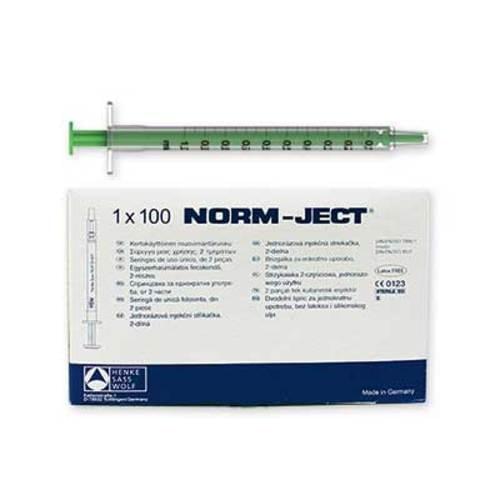
TSK Norm-Ject Luer Slip Syringe 1ml (Green) - Item Code: 150-HSW-A1
Made entirely from laboratory-grade polypropylene and polyethylene, with a positive safety stop that prevents accidental spills during the draw. A few things worth knowing:
- Compatible with all major brand needle hubs – a genuinely universal slip-on fit
- Contains no rubber, latex, silicone oil, styrene, or DEHP, and is DNA free
- More chemically resistant than rubber-tipped syringes, making it a solid choice anywhere an inert, non-reactive syringe is preferred
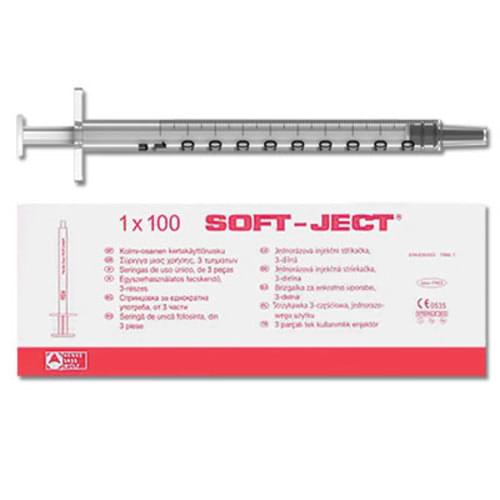
TSK Soft-Ject Luer Slip Syringe 1 ml (White) - Item Code: 150-HSW-S1
A disposable rubber piston syringe built for a smoother draw. The lubricated synthetic rubber-tipped piston allows for controlled movement with a positive stop to prevent accidental pullout, which some practitioners prefer for a gentler feel during delicate injections. Like the rest of the range, it’s ETO gas sterilized, latex and pyrogen free, and individually packaged in sterile strip packs.
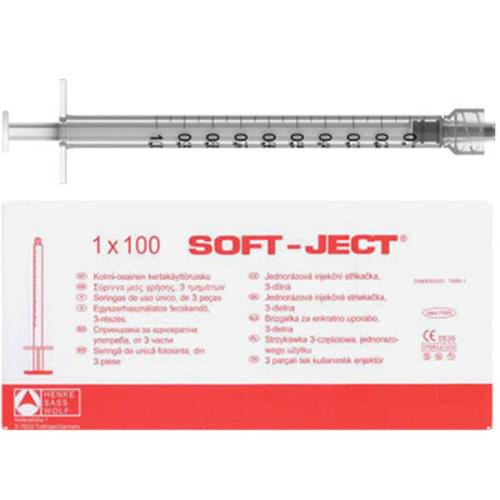
TSK Soft-Ject Luer Lock Syringe 1ml (White) - Item Code: 150-HSW-L1
Shares the same smooth rubber piston draw as the Slip version, with the added security of Luer Lock threading. The tighter interior-threaded connection reduces pop-off risk and leakage when injecting under higher pressure – the combination that makes this the go-to option for thicker products or procedures where a secure hub connection really matters.
Accessories Worth Having on Hand
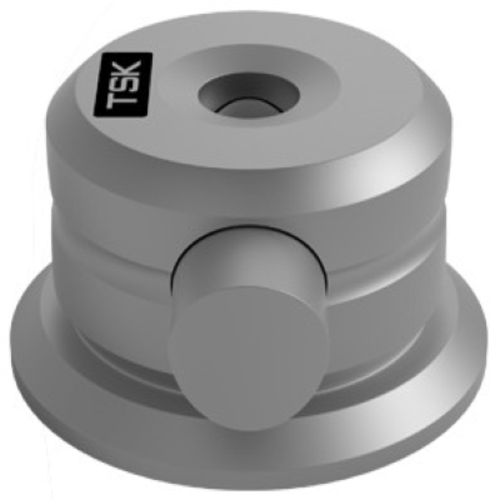
TSK Needle Holder – Item Code: 150-NH1
A simple accessory that solves a real safety and organization problem in a busy treatment room:
- Allows needle assembly without touching the needle itself, reducing the risk of needle-stick injury
- Provides a tighter, more secure needle assembly than handling alone
- Doubles as a clean, organized storage point for the needle and syringe during treatment, thanks to its solid weight and firm grip on the needle safety capsule
| Syringe | Fit Type | Piston |
Best For |
| TSK Norm-Ject | Luer Slip | Rigid plastic, chemically resistant |
Universal use, inert/non-reactive needs |
| TSK Soft-Ject (Slip) | Luer Slip | Lubricated rubber |
Smooth, controlled draw for delicate injections |
| TSK Soft-Ject (Lock) | Luer Lock | Lubricated rubber |
Higher-pressure injections, thicker products |
Final Thoughts
Every syringe in TSK’s line delivers the same Low Dead Space product savings, so the real decision comes down to fit type and piston feel: Luer slip for quick connections and everyday flexibility, Luer lock when a secure hub connection matters most, and rubber piston vs. Rigid plastic depending on how your practitioners prefer the draw to feel. Pairing the right syringe with a needle holder for safer, more organized handling rounds out a setup that protects both product and practitioner across a full day of injections.
Frequently Asked Questions
What’s the difference between Luer lock and Luer slip syringes?
Luer slip syringes attach to a needle by friction alone, making them quick to connect but slightly more prone to detachment under pressure. Luer lock syringes use a threaded connection that twists into place, offering a more secure fit that resists pop-off and leakage during higher-pressure injections.
How much product does low dead space technology actually save?
TSK’s Low Dead Space design can save up to 0.3ml of product per syringe compared to a standard syringe. Across a full day of injectable procedures, that adds up to a meaningful reduction in wasted product.
Is a rubber piston better than a plastic piston syringe?
Neither is universally “better” - they suit different preferences. Rubber piston syringes like the Soft-Ject line offer a smoother, more controlled draw, which some practitioners prefer for delicate injections. Rigid plastic syringes like the Norm-Ject are more chemically resistant and contain no rubber, latex, or DEHP, making them the choice when an inert, non-reactive syringe is a priority.
Do I need a needle holder if I’m careful with needle handling?
A needle holder isn’t strictly required, but it reduces needle-stick risk by allowing assembly without directly touching the needle, and it gives you a secure, organized place to store the needle and syringe mid-treatment. Many clinics add one specifically to reduce handling risk during busy schedules.
Can I use any needle with a TSK Norm-Ject syringe?
Yes. The Norm-Ject's slip-on fitting is designed to be compatible with all major brand needle hubs, so it works as a universal option regardless of which needle brand you’re pairing it with.


Syringe choice is often an afterthought next to needle selection, but the wrong fit type can cost you product, time, and control mid-procedure. Beyond just how a syringe connects to a needle, small design details – the piston material, the hub construction, even how a needle is stored between uses – add up to real differences in cost, safety, and consistency across a busy treatment schedule. Here’s what separates Luer lock from Luer slip, and which TSK syringes fit each.
Luer Slip vs. Luer Lock: What’s the Practical Difference
The difference comes down to how the syringe connects to the needle:
- Luer slip – attaches to a needle with simple friction. Quick to connect and disconnect, but carriers a slightly higher chance of the needle detaching under pressure.
- Luer lock – threads onto the needle with a twist, using built-it interior threading for a tighter connection. This reduces the risk of the hub popping off or leaking when exposed to high pressure during injection
For procedures involving thicker products or higher injection pressure, lock syringes are generally the safer default, since the threaded connection is specifically designed to prevent pop-off in exactly those conditions.
Low Dead Space Technology and Why It Saves Product
Dead space is the small amount of product left behind in the syringe tip and hub after the plunger is fully depressed. On high-cost injectables, that leftover product adds up fast across a full day of appointments. TSK addresses this with a Low Dead Space design across its syringe line – an extended piston that reduces the effective space left behind in the top part of the syringe, saving up to 0.3ml of product per syringe compared to standard designs.
This isn’t a feature limited to one product in the range – it’s built into the Norm-Ject, Soft-Ject Slip, and Soft-Ject Lock syringes alike, so the product savings hold regardless of which fit type or piston material you choose.
Which Syringe Pairs With Which Needle or Cannula Type
TSK Norm-Ject Luer Slip Syringe 1ml (Green) - Item Code: 150-HSW-A1
Made entirely from laboratory-grade polypropylene and polyethylene, with a positive safety stop that prevents accidental spills during the draw. A few things worth knowing:
- Compatible with all major brand needle hubs – a genuinely universal slip-on fit
- Contains no rubber, latex, silicone oil, styrene, or DEHP, and is DNA free
- More chemically resistant than rubber-tipped syringes, making it a solid choice anywhere an inert, non-reactive syringe is preferred
TSK Soft-Ject Luer Slip Syringe 1 ml (White) - Item Code: 150-HSW-S1
A disposable rubber piston syringe built for a smoother draw. The lubricated synthetic rubber-tipped piston allows for controlled movement with a positive stop to prevent accidental pullout, which some practitioners prefer for a gentler feel during delicate injections. Like the rest of the range, it’s ETO gas sterilized, latex and pyrogen free, and individually packaged in sterile strip packs.
TSK Soft-Ject Luer Lock Syringe 1ml (White) - Item Code: 150-HSW-L1
Shares the same smooth rubber piston draw as the Slip version, with the added security of Luer Lock threading. The tighter interior-threaded connection reduces pop-off risk and leakage when injecting under higher pressure – the combination that makes this the go-to option for thicker products or procedures where a secure hub connection really matters.
Accessories Worth Having on Hand
TSK Needle Holder – Item Code: 150-NH1
A simple accessory that solves a real safety and organization problem in a busy treatment room:
- Allows needle assembly without touching the needle itself, reducing the risk of needle-stick injury
- Provides a tighter, more secure needle assembly than handling alone
- Doubles as a clean, organized storage point for the needle and syringe during treatment, thanks to its solid weight and firm grip on the needle safety capsule
| Syringe | Fit Type | Piston |
Best For |
| TSK Norm-Ject | Luer Slip | Rigid plastic, chemically resistant |
Universal use, inert/non-reactive needs |
| TSK Soft-Ject (Slip) | Luer Slip | Lubricated rubber |
Smooth, controlled draw for delicate injections |
| TSK Soft-Ject (Lock) | Luer Lock | Lubricated rubber |
Higher-pressure injections, thicker products |
Final Thoughts
Every syringe in TSK’s line delivers the same Low Dead Space product savings, so the real decision comes down to fit type and piston feel: Luer slip for quick connections and everyday flexibility, Luer lock when a secure hub connection matters most, and rubber piston vs. Rigid plastic depending on how your practitioners prefer the draw to feel. Pairing the right syringe with a needle holder for safer, more organized handling rounds out a setup that protects both product and practitioner across a full day of injections.
Frequently Asked Questions
What’s the difference between Luer lock and Luer slip syringes?
Luer slip syringes attach to a needle by friction alone, making them quick to connect but slightly more prone to detachment under pressure. Luer lock syringes use a threaded connection that twists into place, offering a more secure fit that resists pop-off and leakage during higher-pressure injections.
How much product does low dead space technology actually save?
TSK’s Low Dead Space design can save up to 0.3ml of product per syringe compared to a standard syringe. Across a full day of injectable procedures, that adds up to a meaningful reduction in wasted product.
Is a rubber piston better than a plastic piston syringe?
Neither is universally “better” - they suit different preferences. Rubber piston syringes like the Soft-Ject line offer a smoother, more controlled draw, which some practitioners prefer for delicate injections. Rigid plastic syringes like the Norm-Ject are more chemically resistant and contain no rubber, latex, or DEHP, making them the choice when an inert, non-reactive syringe is a priority.
Do I need a needle holder if I’m careful with needle handling?
A needle holder isn’t strictly required, but it reduces needle-stick risk by allowing assembly without directly touching the needle, and it gives you a secure, organized place to store the needle and syringe mid-treatment. Many clinics add one specifically to reduce handling risk during busy schedules.
Can I use any needle with a TSK Norm-Ject syringe?
Yes. The Norm-Ject's slip-on fitting is designed to be compatible with all major brand needle hubs, so it works as a universal option regardless of which needle brand you’re pairing it with.
