
Antimicrobial & Silver Wound Dressings: How They Work and When to Use Them
Not every wound needs an antimicrobial dressing – but for wounds that are infected, at high risk of infection, or slow to heal because of bacterial burden, choosing the right one matters. This guide breaks down how antimicrobial and silver dressings actually work, when each type is appropriate, and which options Surgo carries for Canadian clinics.
Antimicrobial vs. Silver: What's the Difference?
"Antimicrobial" is the broader category. It covers any dressing designed to reduce bacterial load in or around a wound, and the active ingredient can be silver, an antiseptic (like chlorhexidine or iodine), activated charcoal, or an antibacterial dye. Silver dressings are simply the subset that use ionic or metallic silver as the antimicrobial agent – they're the most common type on the market, but they're not the only option, and they're not always the right one.
How These Dressings Actually Work
The mechanism depends heavily on the active ingredient and the delivery format:
Ionic Silver
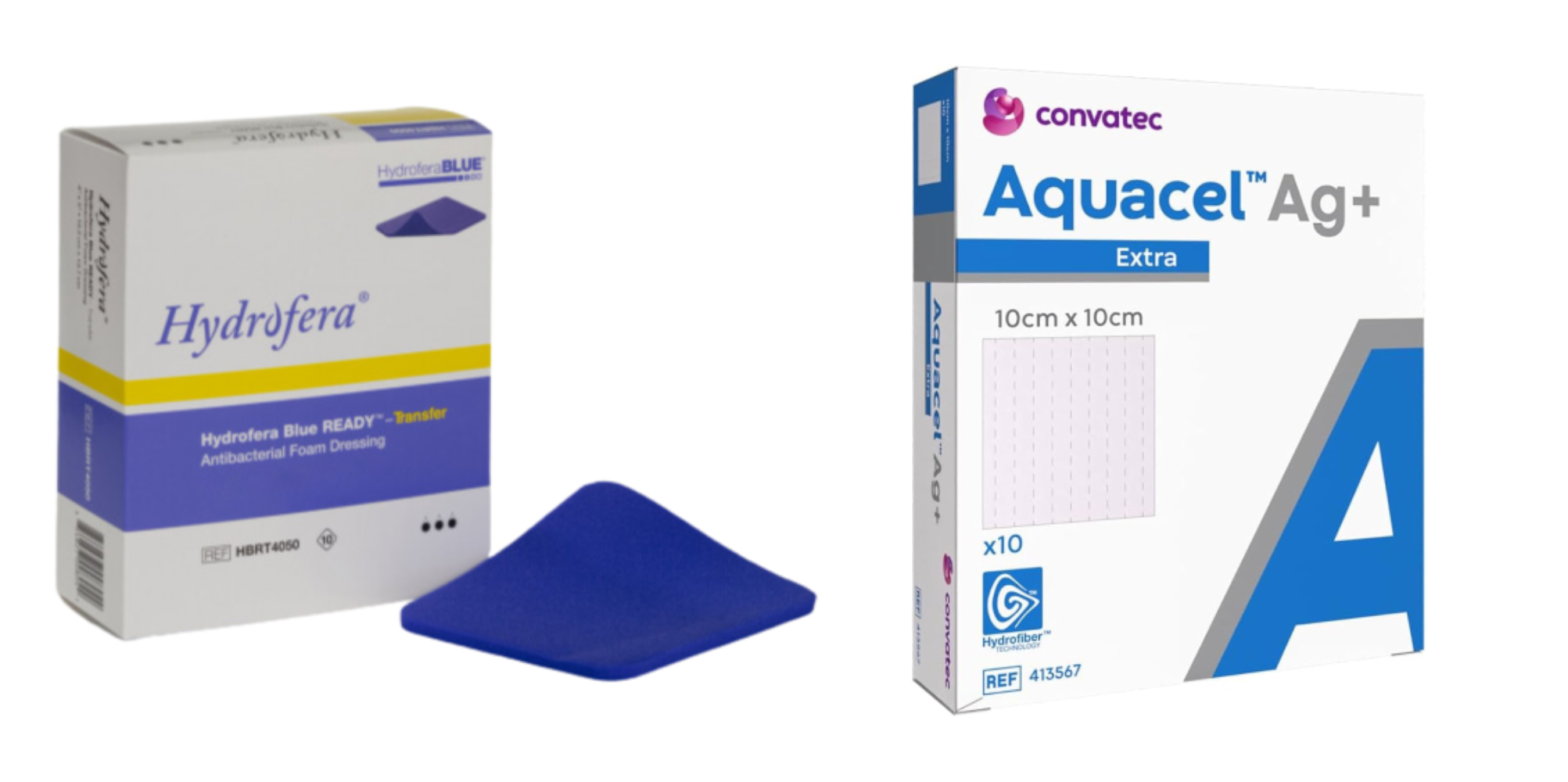
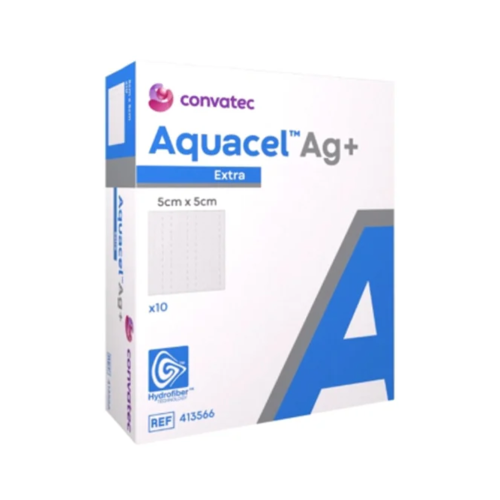
Releases silver ions into the wound bed, where they interfere with bacterial cell function. Some formulations go further – AQUACEL® Ag+ dressings pair ionic silver with EDTA and benzethonium chloride specifically to break down biofilm structure, exposing the bacteria inside it to the silver rather than relying on silver alone.
Antiseptic-Impregnated Gauze
Chlorhexidine-based BACTIGRAS™ or povidone-iodine-based Inadine™ work differently – the antiseptic is released slowly from a paraffin-impregnated weave that also acts as a low-adherent wound contact layer.
Activated Charcoal with Silver
Actisorb™ Silver 220 combines two actions: the charcoal physically binds bacteria, toxins, and odour-causing compounds, while embedded silver kills bacteria trapped in the charcoal layer.
Collagen/ORC Matrices with Silver
Promogran Prisma™ Matrix takes a different approach entirely – the oxidized regenerated cellulose (ORC) component helps neutralize the enzymes that stall chronic wound healing, the collagen supports new tissue formation, and the silver component adds antimicrobial protection on top.
Antibacterial Dyes
Hydrofera Blue® works inside the dressing itself – methylene blue and gentian violet pigments provide broad-spectrum antibacterial action without releasing active substances into the wound, which is why they're often positioned as a gentler, non-cytotoxic option.
When to Reach for an Antimicrobial or Silver Dressing
Antimicrobial dressings aren't a default choice for every wound – they're generally considered for wounds that are:
- Clinically infected, or showing signs of critical colonization
- At high risk of infection (surgical wounds, burns, chronic ulcers)
- Affected by biofilm, which can stall healing even without obvious signs of infection
- Producing malodour, where charcoal-based options can help manage both odour and bacterial load
Dressing choice, frequency of change, and duration of use should always follow the clinician's assessment and the manufacturer's instructions for use – this guide is intended as a product overview, not clinical direction.
Antimicrobial & Silver Dressings Available at Surgo
Surgo stocks antimicrobial and silver wound care products across several formats:
| Format | Products | Brand |
|---|---|---|
| Silver Hydrofiber & Foam | AQUACEL® Ag+ Extra, Mepilex® Border Ag, Mepitel® Ag | Convatec, Mölnlycke |
| Silver Alginate & Fiber Gel | Simpurity™ Silver Alginate Dressing Pads, Simpurity™ Silver FiberGel, 3M™ Silvercel™ Hydro-Alginate | Safe n Simple, Solventum |
| Nanocrystalline Silver | ACTICOAT™ | Smith+Nephew |
| Activated Charcoal with Silver | 3M™ Actisorb™ Silver 220 | Solventum |
| Collagen/ORC with Silver | 3M™ Promogran Prisma™ Matrix | Solventum |
| Antiseptic Paraffin Gauze | BACTIGRAS™ (chlorhexidine acetate), Inadine™ (povidone-iodine) | Smith+Nephew, Solventum |
| Antibacterial Dye Foam | Hydrofera Blue® CLASSIC | Hydrofera |
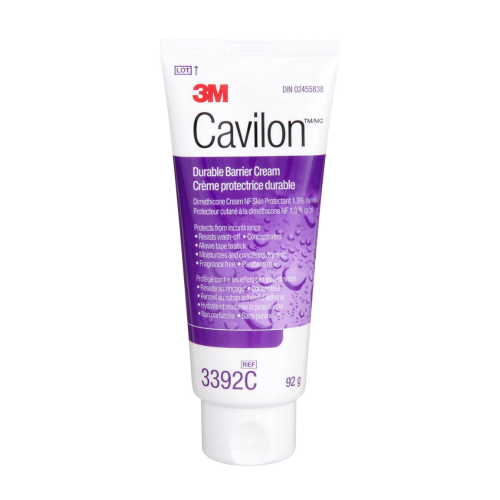
| Skin Barrier Protection | Cavilon™ Durable Barrier Cream (not antimicrobial – used alongside wound care to protect periwound skin) | Solventum |
Frequently Asked Questions
Is a silver dressing the same as an antimicrobial dressing?
No. Silver dressings are one type of antimicrobial dressing. Other antimicrobial options use antiseptics like chlorhexidine or iodine, activated charcoal, or antibacterial dyes instead of silver.
Do all wounds need an antimicrobial dressing?
No. Antimicrobial dressings are generally reserved for wounds that are infected, at high risk of infection, or affected by biofilm – not for routine, uncomplicated wound care.
What's the difference between silver and activated charcoal dressings?
Silver dressings kill bacteria through released silver ions. Activated charcoal dressings physically trap bacteria, toxins, and odour within the dressing structure – some products, like Actisorb™ Silver 220, combine both mechanisms.
.png)




Not every wound needs an antimicrobial dressing – but for wounds that are infected, at high risk of infection, or slow to heal because of bacterial burden, choosing the right one matters. This guide breaks down how antimicrobial and silver dressings actually work, when each type is appropriate, and which options Surgo carries for Canadian clinics.
Antimicrobial vs. Silver: What's the Difference?
"Antimicrobial" is the broader category. It covers any dressing designed to reduce bacterial load in or around a wound, and the active ingredient can be silver, an antiseptic (like chlorhexidine or iodine), activated charcoal, or an antibacterial dye. Silver dressings are simply the subset that use ionic or metallic silver as the antimicrobial agent – they're the most common type on the market, but they're not the only option, and they're not always the right one.
How These Dressings Actually Work
The mechanism depends heavily on the active ingredient and the delivery format:
Ionic Silver
Releases silver ions into the wound bed, where they interfere with bacterial cell function. Some formulations go further – AQUACEL® Ag+ dressings pair ionic silver with EDTA and benzethonium chloride specifically to break down biofilm structure, exposing the bacteria inside it to the silver rather than relying on silver alone.
Antiseptic-Impregnated Gauze
Chlorhexidine-based BACTIGRAS™ or povidone-iodine-based Inadine™ work differently – the antiseptic is released slowly from a paraffin-impregnated weave that also acts as a low-adherent wound contact layer.
Activated Charcoal with Silver
Actisorb™ Silver 220 combines two actions: the charcoal physically binds bacteria, toxins, and odour-causing compounds, while embedded silver kills bacteria trapped in the charcoal layer.
Collagen/ORC Matrices with Silver
Promogran Prisma™ Matrix takes a different approach entirely – the oxidized regenerated cellulose (ORC) component helps neutralize the enzymes that stall chronic wound healing, the collagen supports new tissue formation, and the silver component adds antimicrobial protection on top.
Antibacterial Dyes
Hydrofera Blue® works inside the dressing itself – methylene blue and gentian violet pigments provide broad-spectrum antibacterial action without releasing active substances into the wound, which is why they're often positioned as a gentler, non-cytotoxic option.
When to Reach for an Antimicrobial or Silver Dressing
Antimicrobial dressings aren't a default choice for every wound – they're generally considered for wounds that are:
- Clinically infected, or showing signs of critical colonization
- At high risk of infection (surgical wounds, burns, chronic ulcers)
- Affected by biofilm, which can stall healing even without obvious signs of infection
- Producing malodour, where charcoal-based options can help manage both odour and bacterial load
Dressing choice, frequency of change, and duration of use should always follow the clinician's assessment and the manufacturer's instructions for use – this guide is intended as a product overview, not clinical direction.
Antimicrobial & Silver Dressings Available at Surgo
Surgo stocks antimicrobial and silver wound care products across several formats:
| Format | Products | Brand |
|---|---|---|
| Silver Hydrofiber & Foam | AQUACEL® Ag+ Extra, Mepilex® Border Ag, Mepitel® Ag | Convatec, Mölnlycke |
| Silver Alginate & Fiber Gel | Simpurity™ Silver Alginate Dressing Pads, Simpurity™ Silver FiberGel, 3M™ Silvercel™ Hydro-Alginate | Safe n Simple, Solventum |
| Nanocrystalline Silver | ACTICOAT™ | Smith+Nephew |
| Activated Charcoal with Silver | 3M™ Actisorb™ Silver 220 | Solventum |
| Collagen/ORC with Silver | 3M™ Promogran Prisma™ Matrix | Solventum |
| Antiseptic Paraffin Gauze | BACTIGRAS™ (chlorhexidine acetate), Inadine™ (povidone-iodine) | Smith+Nephew, Solventum |
| Antibacterial Dye Foam | Hydrofera Blue® CLASSIC | Hydrofera |
| Skin Barrier Protection | Cavilon™ Durable Barrier Cream (not antimicrobial – used alongside wound care to protect periwound skin) | Solventum |
Frequently Asked Questions
Is a silver dressing the same as an antimicrobial dressing?
No. Silver dressings are one type of antimicrobial dressing. Other antimicrobial options use antiseptics like chlorhexidine or iodine, activated charcoal, or antibacterial dyes instead of silver.
Do all wounds need an antimicrobial dressing?
No. Antimicrobial dressings are generally reserved for wounds that are infected, at high risk of infection, or affected by biofilm – not for routine, uncomplicated wound care.
What's the difference between silver and activated charcoal dressings?
Silver dressings kill bacteria through released silver ions. Activated charcoal dressings physically trap bacteria, toxins, and odour within the dressing structure – some products, like Actisorb™ Silver 220, combine both mechanisms.
