
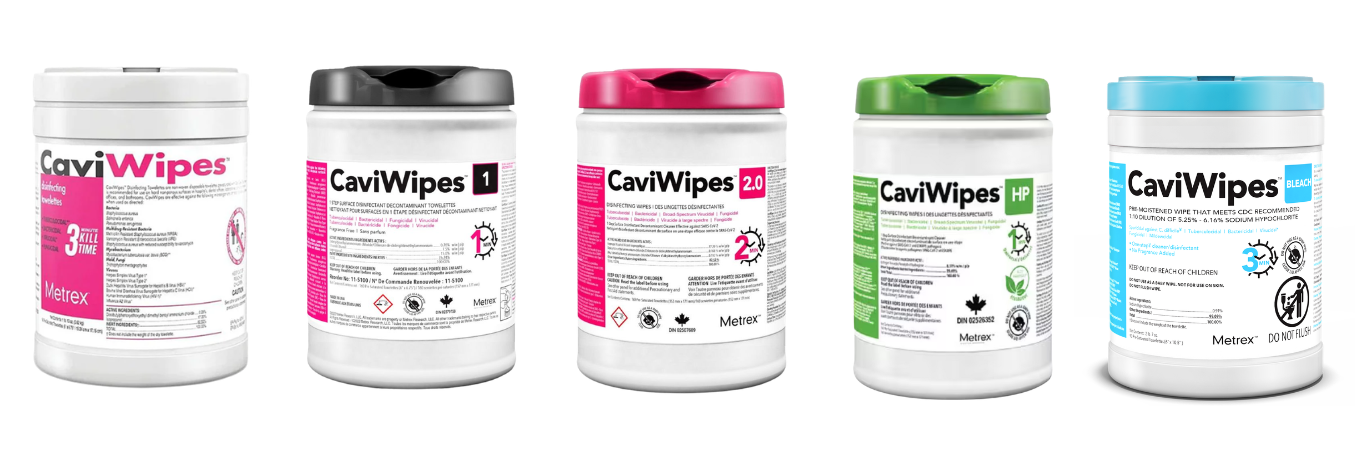
Disinfectant wipes such as CaviWipes, CaviWipes1, CaviWipes2.0, CaviWipes HP, and CaviWipes Bleach are widely used in healthcare, dental practices, clinics, and other professional settings because they provide reliable surface disinfection in a convenient format.
Like most professional disinfectants, however, these products contain active ingredients designed to kill microorganisms. Because of this, they should be used according to manufacturer guidelines and standard infection-control practices.
This guide explains when gloves are recommended, what happens if disinfectant solution contacts skin, and how facilities can safely incorporate Cavi Disinfectant into their daily workflows.
Do You Have to Wear Gloves with CaviWipes?
In most healthcare environments, gloves are recommended when using disinfectant wipes, including CaviWipes and other Cavi disinfectant products.
Gloves help protect the skin from repeated exposure to disinfectant solutions and reduce the risk of transferring contaminants between surfaces.
Facilities often include gloves in their cleaning protocols for several reasons:
- Disinfectant solutions can cause skin dryness or irritation with repeated contact
- Staff may be cleaning contaminated surfaces or bodily fluids
- Gloves help prevent cross-contamination during cleaning tasks
- Infection-control policies often require them
Even though wipes are convenient and easy to use, they still contain active disinfectant ingredients designed for environmental surfaces rather than direct skin contact.
Why Disinfectant Wipes Can Irritate Skin
Most professional disinfectant wipes, including many in the Cavi family, contain quaternary ammonium compounds (quats) or similar antimicrobial ingredients.
These chemicals are effective at destroying bacteria, viruses, and fungi, but they can also affect human skin with repeated exposure.
Possible skin reactions may include:
- Dryness
- Mild irritation
- Redness
- Dermatitis after repeated contact
For this reason, routine use of gloves and proper hand hygiene is recommended when using disinfectant wipes throughout the workday.
Some facilities also choose alternative formulations such as CaviWipes HP, which use hydrogen peroxide-based chemistry instead of traditional quaternary ammonium disinfectants.
What to Do if CaviWipes or CaviCide Gets on Skin
Occasional skin contact with disinfectant solution can happen during routine cleaning tasks. When this occurs, simple steps can help minimize irritation.
Recommended actions include:
- Rinse the affected area with clean water
- Wash the skin with mild soap
- Avoid continued exposure until the area is clean
- Apply moisturizer if dryness occurs
If irritation persists, staff should follow workplace safety guidelines or consult the product’s Safety Data Sheets (SDS) for further information.
These precautions are standard for most professional disinfectant products.
Ventilation and Handling Best Practices
Proper ventilation and handling practices help ensure disinfectants are used safely and comfortably in professional environments.
Best practices include:
- Using disinfectant wipes in well-ventilated areas
- Avoid splashing or spraying disinfectant solutions toward the face
- Keeping containers closed to prevent wipe dry-out
- Washing hands after glove removal
- Avoiding mixing disinfectants with other chemicals
These simple steps support safe use while maintaining effective surface disinfection.
Safer Workflow Practices for Disinfectant Wipes
Facilities can reduce exposure risks by organizing cleaning supplies and workspaces thoughtfully. Helpful strategies include:
Dispenser Placement
Keeping wipe canisters on carts, wall brackets, or designated stations helps prevent spills and unnecessary handling.
Avoiding Splashes
Pull wipes slowly from the canister rather than shaking the container or pulling aggressively.
Hand Hygiene
Staff should wash hands or use hand sanitizer after removing gloves and completing cleaning tasks.
These practices support both infection control and staff comfort during routine cleaning.
When to Consider Alternative Formulations
While traditional Cavi disinfectant products remain widely used, some facilities explore different formulations based on staff preferences or environmental considerations.
Situations where alternative products may be considered include:
- Staff sensitivity to disinfect odors
- Skin irritation from repeated exposure
- Preference for hydrogen-peroxide-based disinfectants
- Infection-control protocols specifying alternative chemistries
Products such as CaviWipes HP or CaviWipes 2.0 may be selected depending on facility policies, pathogen coverage requirements, and workflow preferences.
Supporting Safe Disinfection Practices
When used according to manufacturer guidelines, Cavi disinfectant wipes provide reliable surface disinfection across many unprofessional environments.
By combining proper glove use, ventilation, hand hygiene, and staff training, facilities can safely incorporate disinfectant wipes into daily cleaning protocols while maintaining effective infection control.
For dependable, easy-to-use surface disinfection, explore the full range of CaviWipes and Cavi disinfectant products available at Surgo Surgical Supply. Find the right formulations and formats to support safe, consistent cleaning in your facility.




Disinfectant wipes such as CaviWipes, CaviWipes1, CaviWipes2.0, CaviWipes HP, and CaviWipes Bleach are widely used in healthcare, dental practices, clinics, and other professional settings because they provide reliable surface disinfection in a convenient format.
Like most professional disinfectants, however, these products contain active ingredients designed to kill microorganisms. Because of this, they should be used according to manufacturer guidelines and standard infection-control practices.
This guide explains when gloves are recommended, what happens if disinfectant solution contacts skin, and how facilities can safely incorporate Cavi Disinfectant into their daily workflows.
Do You Have to Wear Gloves with CaviWipes?
In most healthcare environments, gloves are recommended when using disinfectant wipes, including CaviWipes and other Cavi disinfectant products.
Gloves help protect the skin from repeated exposure to disinfectant solutions and reduce the risk of transferring contaminants between surfaces.
Facilities often include gloves in their cleaning protocols for several reasons:
- Disinfectant solutions can cause skin dryness or irritation with repeated contact
- Staff may be cleaning contaminated surfaces or bodily fluids
- Gloves help prevent cross-contamination during cleaning tasks
- Infection-control policies often require them
Even though wipes are convenient and easy to use, they still contain active disinfectant ingredients designed for environmental surfaces rather than direct skin contact.
Why Disinfectant Wipes Can Irritate Skin
Most professional disinfectant wipes, including many in the Cavi family, contain quaternary ammonium compounds (quats) or similar antimicrobial ingredients.
These chemicals are effective at destroying bacteria, viruses, and fungi, but they can also affect human skin with repeated exposure.
Possible skin reactions may include:
- Dryness
- Mild irritation
- Redness
- Dermatitis after repeated contact
For this reason, routine use of gloves and proper hand hygiene is recommended when using disinfectant wipes throughout the workday.
Some facilities also choose alternative formulations such as CaviWipes HP, which use hydrogen peroxide-based chemistry instead of traditional quaternary ammonium disinfectants.
What to Do if CaviWipes or CaviCide Gets on Skin
Occasional skin contact with disinfectant solution can happen during routine cleaning tasks. When this occurs, simple steps can help minimize irritation.
Recommended actions include:
- Rinse the affected area with clean water
- Wash the skin with mild soap
- Avoid continued exposure until the area is clean
- Apply moisturizer if dryness occurs
If irritation persists, staff should follow workplace safety guidelines or consult the product’s Safety Data Sheets (SDS) for further information.
These precautions are standard for most professional disinfectant products.
Ventilation and Handling Best Practices
Proper ventilation and handling practices help ensure disinfectants are used safely and comfortably in professional environments.
Best practices include:
- Using disinfectant wipes in well-ventilated areas
- Avoid splashing or spraying disinfectant solutions toward the face
- Keeping containers closed to prevent wipe dry-out
- Washing hands after glove removal
- Avoiding mixing disinfectants with other chemicals
These simple steps support safe use while maintaining effective surface disinfection.
Safer Workflow Practices for Disinfectant Wipes
Facilities can reduce exposure risks by organizing cleaning supplies and workspaces thoughtfully. Helpful strategies include:
Dispenser Placement
Keeping wipe canisters on carts, wall brackets, or designated stations helps prevent spills and unnecessary handling.
Avoiding Splashes
Pull wipes slowly from the canister rather than shaking the container or pulling aggressively.
Hand Hygiene
Staff should wash hands or use hand sanitizer after removing gloves and completing cleaning tasks.
These practices support both infection control and staff comfort during routine cleaning.
When to Consider Alternative Formulations
While traditional Cavi disinfectant products remain widely used, some facilities explore different formulations based on staff preferences or environmental considerations.
Situations where alternative products may be considered include:
- Staff sensitivity to disinfect odors
- Skin irritation from repeated exposure
- Preference for hydrogen-peroxide-based disinfectants
- Infection-control protocols specifying alternative chemistries
Products such as CaviWipes HP or CaviWipes 2.0 may be selected depending on facility policies, pathogen coverage requirements, and workflow preferences.
Supporting Safe Disinfection Practices
When used according to manufacturer guidelines, Cavi disinfectant wipes provide reliable surface disinfection across many unprofessional environments.
By combining proper glove use, ventilation, hand hygiene, and staff training, facilities can safely incorporate disinfectant wipes into daily cleaning protocols while maintaining effective infection control.
For dependable, easy-to-use surface disinfection, explore the full range of CaviWipes and Cavi disinfectant products available at Surgo Surgical Supply. Find the right formulations and formats to support safe, consistent cleaning in your facility.
