
Caregiving often means noticing small changes before they become big problems, a slightly elevated blood pressure reading, a fever, or a drop in oxygen saturation. Having the right monitoring tools on hand, and knowing how to use them, makes it far easier to track these changes and know when something is worth a call to a healthcare provider. Here's a breakdown of the core home health tools worth keeping on hand, and how to choose between the options available.
Home Health Tools, Compared
Blood Pressure Monitors
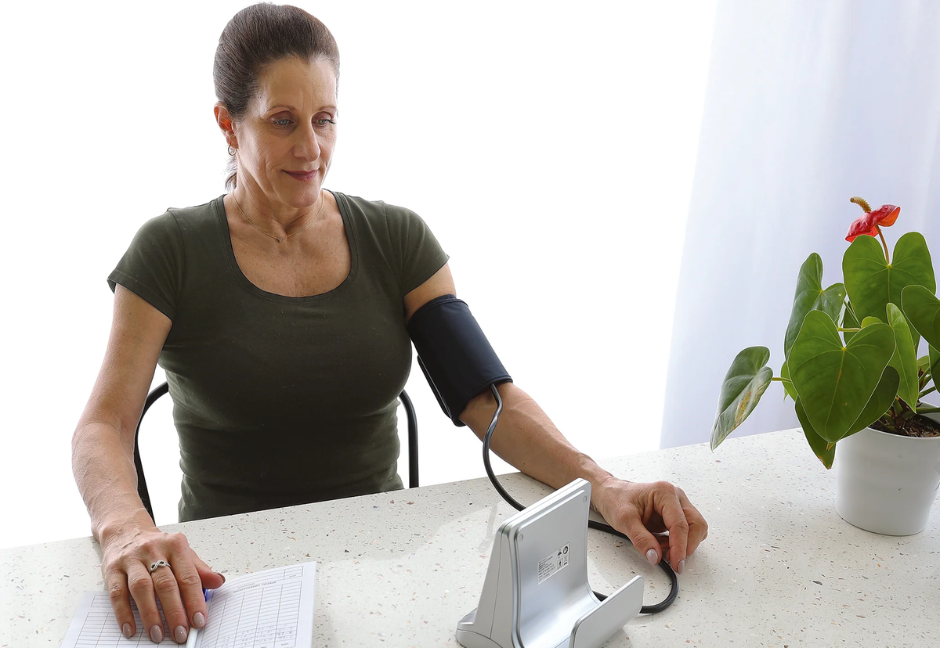
Automatic upper-arm monitors are generally considered more consistent and easier to use correctly than wrist models, since arm position affects accuracy less. BIOS Diagnostics offers a range from simple, everyday models (like the Simplicity BD313) to monitors with features like irregular heartbeat detection and reading averaging (like the BD252), up to professional-grade models (BD270) for higher-volume or clinical-adjacent use. A properly fitted cuff matters as much as the monitor itself – replacement cuffs are available in small, wide-range, and extra-large sizes.
Digital Thermometers
One of the most frequently used tools in caregiving, useful for catching early signs of infection or illness. Options like the BIOS Digital Thermometer support oral, rectal, and underarm use with both Fahrenheit and Celsius readings, while dedicated oral models (like the Physio Logic Accuflex) are a simpler, single-purpose option.
Pulse Oximeters
A fingertip clip that measures blood oxygen saturation and pulse rate, particularly useful for anyone with respiratory conditions or recovering from illness where oxygen levels need monitoring at home. Standard fingertip models (BIOS, Maxtec) suit most adult home use, while pediatric-specific sensors and wraps (Edan) are designed for smaller patients, and handheld clinical-style units (Nonin) suit higher-frequency or facility use.
Glucose Monitors
For daily diabetes management, a reliable meter and matching test strips are essential – strips are meter-specific, so it's important to match them correctly (Accu-Chek strips for Accu-Chek meters, CONTOUR NEXT strips for Ascensia meters, and so on). Control solutions are also available to verify a meter and strips are reading accurately over time.
Home Health Tools Available at Surgo
| Tool Type | Product Line | Brand |
|---|---|---|
| Blood Pressure Monitors | Simplicity (BD313), Precision 6.0 (BD201), Protocol 7D MII (BD252), Compact with Bluetooth™ (BD323), Wrist Monitor (W100) | BIOS Medical |
| Digital Thermometers | Digital Thermometer (oral/rectal/underarm), Digital Fever Thermometer | BIOS Medical |
| Digital Thermometers | Accuflex Digital Thermometer (Oral) | Physio Logic (AMG Medical) |
| Pulse Oximeters | Diagnostics Fingertip Pulse Oximeter, Fingertip Pulse Oximeter with Bluetooth™ | BIOS Medical |
| Pulse Oximeters | Fingertip Pulse Oximeter (Adult & Paediatric) | Maxtec / Surgo Surgical Supply |
| Glucose Monitors | Accu-Chek Guide Meter & Test Strips, CONTOUR NEXT EZ Meter & Test Strips, Alliance Blood Glucose Monitoring Kit, GlucoCheck™ Multi-Patient Meter | Roche / Ascensia / Medline / Innovatek |
Frequently Asked Questions
Are automatic upper-arm blood pressure monitors more accurate than wrist models?
Generally, yes. Upper-arm monitors are less sensitive to positioning errors than wrist models, and are the format most often recommended for consistent home monitoring.
Can I use any test strips with any glucose meter?
No – test strips are meter-specific. Accu-Chek strips are designed for Accu-Chek meters, CONTOUR NEXT strips for Ascensia/Bayer meters, and so on. Always match strips to the exact meter model in use.
What's the difference between a standard fingertip pulse oximeter and a handheld clinical unit?
Fingertip models are compact and suited to routine home spot-checks. Handheld units, like the Nonin 8500, are designed for more frequent or clinical-adjacent use and may offer additional monitoring features.
Caregiving often means noticing small changes before they become big problems, a slightly elevated blood pressure reading, a fever, or a drop in oxygen saturation. Having the right monitoring tools on hand, and knowing how to use them, makes it far easier to track these changes and know when something is worth a call to a healthcare provider. Here's a breakdown of the core home health tools worth keeping on hand, and how to choose between the options available.
Home Health Tools, Compared
Blood Pressure Monitors
Automatic upper-arm monitors are generally considered more consistent and easier to use correctly than wrist models, since arm position affects accuracy less. BIOS Diagnostics offers a range from simple, everyday models (like the Simplicity BD313) to monitors with features like irregular heartbeat detection and reading averaging (like the BD252), up to professional-grade models (BD270) for higher-volume or clinical-adjacent use. A properly fitted cuff matters as much as the monitor itself – replacement cuffs are available in small, wide-range, and extra-large sizes.
Digital Thermometers
One of the most frequently used tools in caregiving, useful for catching early signs of infection or illness. Options like the BIOS Digital Thermometer support oral, rectal, and underarm use with both Fahrenheit and Celsius readings, while dedicated oral models (like the Physio Logic Accuflex) are a simpler, single-purpose option.
Pulse Oximeters
A fingertip clip that measures blood oxygen saturation and pulse rate, particularly useful for anyone with respiratory conditions or recovering from illness where oxygen levels need monitoring at home. Standard fingertip models (BIOS, Maxtec) suit most adult home use, while pediatric-specific sensors and wraps (Edan) are designed for smaller patients, and handheld clinical-style units (Nonin) suit higher-frequency or facility use.
Glucose Monitors
For daily diabetes management, a reliable meter and matching test strips are essential – strips are meter-specific, so it's important to match them correctly (Accu-Chek strips for Accu-Chek meters, CONTOUR NEXT strips for Ascensia meters, and so on). Control solutions are also available to verify a meter and strips are reading accurately over time.
Home Health Tools Available at Surgo
| Tool Type | Product Line | Brand |
|---|---|---|
| Blood Pressure Monitors | Simplicity (BD313), Precision 6.0 (BD201), Protocol 7D MII (BD252), Compact with Bluetooth™ (BD323), Wrist Monitor (W100) | BIOS Medical |
| Digital Thermometers | Digital Thermometer (oral/rectal/underarm), Digital Fever Thermometer | BIOS Medical |
| Digital Thermometers | Accuflex Digital Thermometer (Oral) | Physio Logic (AMG Medical) |
| Pulse Oximeters | Diagnostics Fingertip Pulse Oximeter, Fingertip Pulse Oximeter with Bluetooth™ | BIOS Medical |
| Pulse Oximeters | Fingertip Pulse Oximeter (Adult & Paediatric) | Maxtec / Surgo Surgical Supply |
| Glucose Monitors | Accu-Chek Guide Meter & Test Strips, CONTOUR NEXT EZ Meter & Test Strips, Alliance Blood Glucose Monitoring Kit, GlucoCheck™ Multi-Patient Meter | Roche / Ascensia / Medline / Innovatek |
Frequently Asked Questions
Are automatic upper-arm blood pressure monitors more accurate than wrist models?
Generally, yes. Upper-arm monitors are less sensitive to positioning errors than wrist models, and are the format most often recommended for consistent home monitoring.
Can I use any test strips with any glucose meter?
No – test strips are meter-specific. Accu-Chek strips are designed for Accu-Chek meters, CONTOUR NEXT strips for Ascensia/Bayer meters, and so on. Always match strips to the exact meter model in use.
What's the difference between a standard fingertip pulse oximeter and a handheld clinical unit?
Fingertip models are compact and suited to routine home spot-checks. Handheld units, like the Nonin 8500, are designed for more frequent or clinical-adjacent use and may offer additional monitoring features.
