
Dermaplaning has become one of the most requested facial treatments at aesthetic clinics and medspas, and it’s easy to see why – it's quick, requires no downtime, and leaves skin looking noticeably smoother right away. But like any skin treatment, it’s not automatically the right fit for everyone. Before you book your first session, here’s what’s worth knowing about how the treatment works, who it suits, and what to ask your provider.
What Dermaplaning Actually Involves
The Technique
Dermaplaning is a manual exfoliation treatment. A trained practitioner uses a fine surgical blade, help at a shallow angle, to gently scrape away the outermost layer of dead skin cells along with vellus hair – the fine, soft “peach fuzz” that grows on the face. Nothing is applied to the skin and nothing is injected; it’s a purely physical exfoliation technique, which is part of why it appeals to people who want visible results without needles or chemical peels.
What to Expect During a Session
A typical session takes about 30 minutes and is done on clean, dry skin. Because it’s non-invasive, there’s no recovery period in the way there is with more aggressive treatments – most people go straight back to their day afterward, aside from a bit of extra sun sensitivity in the days that follow.
Who Is Generally a Good Candidate
Skin Type and Goals
Dermaplaning tends to suit people with normal to dry skin who want smoother texture, a brighter appearance, and better makeup application – removing the top layer of dead skin and fine hair gives makeup a smoother surface to sit on, which is one of the treatment’s most commonly cited benefits.
Low-Commitment Appeal
It’s also a popular option for people who want a low-commitment way to refresh dull-looking skin without downtime, since results are visible immediately. It’s generally considered safe across a wide range of ages and skin tones, since it doesn’t rely on heat, chemicals, or light-based technology the way some other treatments do.
When Dermaplaning Isn’t Recommended
Because the treatment involves a blade making direct contact with the skin, there are situations where providers will typically recommend against it or suggest waiting.
Active Acne or Breakouts
Dragging a blade across inflamed or broken skin can spread bacteria and worsen breakouts.
Certain Skin Conditions
Conditions like eczema, psoriasis, or rosacea flare-ups can make skin more reactive to physical exfoliation.
Sensitive or Compromised Skin
If your skin is already irritated, recently sunburned, or healing from another treatment, dermaplaning may need to wait.
Coarser Facial Hair
Dermaplaning is designed for fine vellus hair, not coarser terminal hair, so it may not deliver the expected results for some skin and hair types.
A good provider will ask about your skin history before your first session and flag any of these concerns during a consultation rather than after the fact.
Questions Worth Asking Before You Book
About Safety and Hygiene
- Do you use a fresh, single-use blade for every client? (The answer should always be yes – reused blades are a genuine infection risk.)
- Are you licensed or certified to perform dermaplaning in this setting?
About Aftercare
- What aftercare should I expect, and are there any products I should avoid afterward?
- How will you handle it if you notice active breakouts or irritation when I come in?
What a Good Answer Looks Like
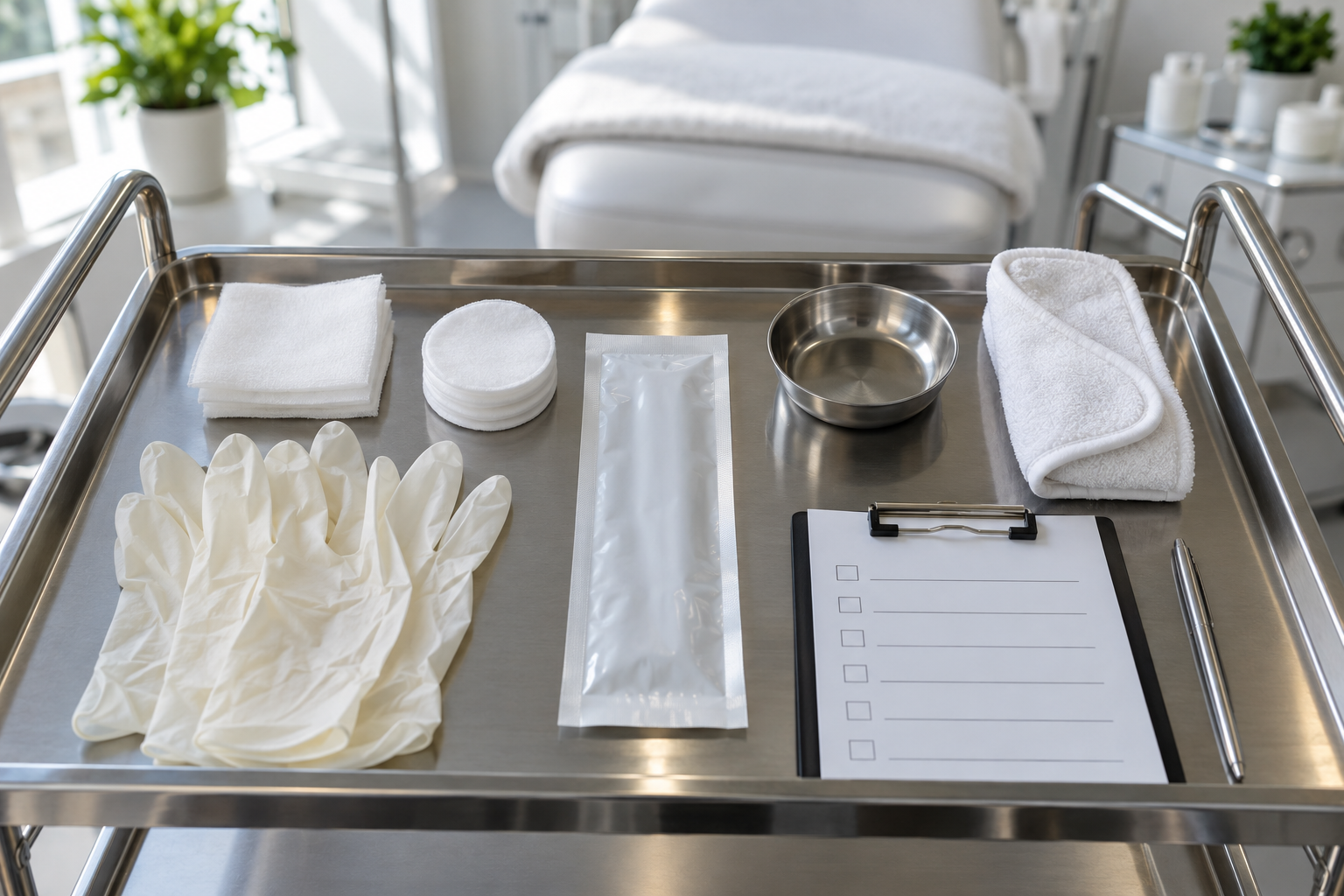
Reputable clinics take blade sterility seriously – most use individually packaged, sterile, single-use surgical blades specifically designed for dermaplaning, discarded immediately after each treatment. If you’re ever unsure, it’s completely reasonable to ask your provider what type of blade they use and confirm it’s opened fresh in front of you.
Final Thoughts
Dermaplaning is a low-risk, low-downtime treatment for most people looking for smoother, brighter-looking skin, but it isn’t universally right for every skin type or condition. The best way to find out if it’s a good fit for you is a proper consultation with a licensed provider who asks about your skin history and current condition before ever picking up a blade. When in doubt, a quick conversation with your provider beforehand is worth far more than guessing based on what worked for someone else.
Frequently Asked Questions
Is dermaplaning safe for sensitive skin?
Dermaplaning can be suitable for some sensitive skin types, but it depends on the individual and what’s causing the sensitivity. A consultation with a licensed provider is the best way to determine whether your specific skin condition is a good match for the treatment.
Can I get dermaplaning if I have active acne?
Most providers will recommend avoiding dermaplaning over active breakouts, since dragging a blade across inflamed or broken skin can spread bacteria and potentially worsen acne. Areas without active breakouts may still be treatable – your provider can advise on this during a consultation.
Does dermaplaning make hair grow back thicker?
No. This is a common misconception. Dermaplaning removes fine vellus hair at the skin’s surface, and shaving or cutting hair this way does not change its thickness, colour, or growth rate. Hair grows back at the same fine texture it had before.
Is dermaplaning painful?
Most people describe dermaplaning as painless or only mildly sensory – similar to the light scraping feel of shaving. It shouldn't cause discomfort when performed correctly by a trained provider.
How do I know if my provider is using a safe, sterile blade?
Ask directly. Reputable providers use individually packaged, sterile, single-use surgical blades and should be comfortable confirming this and opening a fresh blade in front of you if asked.
Dermaplaning has become one of the most requested facial treatments at aesthetic clinics and medspas, and it’s easy to see why – it's quick, requires no downtime, and leaves skin looking noticeably smoother right away. But like any skin treatment, it’s not automatically the right fit for everyone. Before you book your first session, here’s what’s worth knowing about how the treatment works, who it suits, and what to ask your provider.
What Dermaplaning Actually Involves
The Technique
Dermaplaning is a manual exfoliation treatment. A trained practitioner uses a fine surgical blade, help at a shallow angle, to gently scrape away the outermost layer of dead skin cells along with vellus hair – the fine, soft “peach fuzz” that grows on the face. Nothing is applied to the skin and nothing is injected; it’s a purely physical exfoliation technique, which is part of why it appeals to people who want visible results without needles or chemical peels.
What to Expect During a Session
A typical session takes about 30 minutes and is done on clean, dry skin. Because it’s non-invasive, there’s no recovery period in the way there is with more aggressive treatments – most people go straight back to their day afterward, aside from a bit of extra sun sensitivity in the days that follow.
Who Is Generally a Good Candidate
Skin Type and Goals
Dermaplaning tends to suit people with normal to dry skin who want smoother texture, a brighter appearance, and better makeup application – removing the top layer of dead skin and fine hair gives makeup a smoother surface to sit on, which is one of the treatment’s most commonly cited benefits.
Low-Commitment Appeal
It’s also a popular option for people who want a low-commitment way to refresh dull-looking skin without downtime, since results are visible immediately. It’s generally considered safe across a wide range of ages and skin tones, since it doesn’t rely on heat, chemicals, or light-based technology the way some other treatments do.
When Dermaplaning Isn’t Recommended
Because the treatment involves a blade making direct contact with the skin, there are situations where providers will typically recommend against it or suggest waiting.
Active Acne or Breakouts
Dragging a blade across inflamed or broken skin can spread bacteria and worsen breakouts.
Certain Skin Conditions
Conditions like eczema, psoriasis, or rosacea flare-ups can make skin more reactive to physical exfoliation.
Sensitive or Compromised Skin
If your skin is already irritated, recently sunburned, or healing from another treatment, dermaplaning may need to wait.
Coarser Facial Hair
Dermaplaning is designed for fine vellus hair, not coarser terminal hair, so it may not deliver the expected results for some skin and hair types.
A good provider will ask about your skin history before your first session and flag any of these concerns during a consultation rather than after the fact.
Questions Worth Asking Before You Book
About Safety and Hygiene
- Do you use a fresh, single-use blade for every client? (The answer should always be yes – reused blades are a genuine infection risk.)
- Are you licensed or certified to perform dermaplaning in this setting?
About Aftercare
- What aftercare should I expect, and are there any products I should avoid afterward?
- How will you handle it if you notice active breakouts or irritation when I come in?
What a Good Answer Looks Like
Reputable clinics take blade sterility seriously – most use individually packaged, sterile, single-use surgical blades specifically designed for dermaplaning, discarded immediately after each treatment. If you’re ever unsure, it’s completely reasonable to ask your provider what type of blade they use and confirm it’s opened fresh in front of you.
Final Thoughts
Dermaplaning is a low-risk, low-downtime treatment for most people looking for smoother, brighter-looking skin, but it isn’t universally right for every skin type or condition. The best way to find out if it’s a good fit for you is a proper consultation with a licensed provider who asks about your skin history and current condition before ever picking up a blade. When in doubt, a quick conversation with your provider beforehand is worth far more than guessing based on what worked for someone else.
Frequently Asked Questions
Is dermaplaning safe for sensitive skin?
Dermaplaning can be suitable for some sensitive skin types, but it depends on the individual and what’s causing the sensitivity. A consultation with a licensed provider is the best way to determine whether your specific skin condition is a good match for the treatment.
Can I get dermaplaning if I have active acne?
Most providers will recommend avoiding dermaplaning over active breakouts, since dragging a blade across inflamed or broken skin can spread bacteria and potentially worsen acne. Areas without active breakouts may still be treatable – your provider can advise on this during a consultation.
Does dermaplaning make hair grow back thicker?
No. This is a common misconception. Dermaplaning removes fine vellus hair at the skin’s surface, and shaving or cutting hair this way does not change its thickness, colour, or growth rate. Hair grows back at the same fine texture it had before.
Is dermaplaning painful?
Most people describe dermaplaning as painless or only mildly sensory – similar to the light scraping feel of shaving. It shouldn't cause discomfort when performed correctly by a trained provider.
How do I know if my provider is using a safe, sterile blade?
Ask directly. Reputable providers use individually packaged, sterile, single-use surgical blades and should be comfortable confirming this and opening a fresh blade in front of you if asked.
