
Equipping an exam room with the right furniture is crucial for fostering an environment that is both efficient and welcoming for patients and healthcare providers. The choice of furniture not only impacts the workflow of medical professionals but also influences the comfort and experience of patients during their visit. This guide will walk you through the essential pieces of furniture needed to create a fully functional exam room, including exam tables, chairs, and storage units. Additionally, we will provide tips on how to arrange these pieces for maximum efficiency and comfort, ensuring that healthcare providers can perform their duties seamlessly while patients feel at ease in a well-organized and inviting space.
What Are The Essential Furniture Items For An Exam Room?
The essential furniture items for an exam room include an exam table, which serves as the central piece for patient assessments, and a comfortable chair or stool for the healthcare provider to sit on during examinations. Storage cabinets or shelving units are necessary for organizing medical supplies, while a desk or counter provides space for charting and documentation. A waste disposal unit, often with biohazard containers, is critical for maintaining cleanliness. Additionally, patient seating and privacy curtains contribute to patient comfort and privacy during visits. Together, these items create an efficient and functional exam room.
Examination Tables
When considering exam tables, it is important to select models that offer both functionality and comfort. Adjustable exam tables that feature easy-to-use height and position controls can accommodate different patient needs and assist healthcare providers in performing examinations effectively. Additionally, exam tables with integrated storage for medical supplies can streamline workflow by keeping essential tools within arm's reach. Opting for tables with durable, yet comfortable, padding further enhances the patient's experience, making their visit as pleasant as possible. These considerations, coupled with a focus on quality and reliability, ensure that exam tables contribute positively to the overall environment of the exam room.
.jpg)
Surgo Recommends: Brewer Versa Manual Exam Table
The Versa exam table offers adaptability and cost-effectiveness to meet the evolving needs of your practice. Its standard model delivers a new level of quality and efficiency, making it ideal for most healthcare settings. The stable cushioned platform, with a 500lb weight capacity, comfortably supports patients of all sizes, while the large, sturdy step with an anti-slip surface enhances patient safety. Multi-position patient assist handles provide added security and support for self-positioning. The easy-to-connect, removable upholstery top comes in a standard adult size, with an option to upgrade to pediatric sizes as needed, ensuring the table adapts to the demands of your facility. With ergonomic stirrups, this table is designed to maximize both patient comfort and practitioner efficiency.
Surgo Recommends: UMF FusionONE+ Power Exam Tables
The UMF FusionONE+ Power Exam Table is designed to ensure ADA-compliant access, making examinations easier for patients of all ages and abilities. Its power backrest allows seamless patient positioning for enhanced comfort and safety during treatments. Key features include effortless adjustability with power hi-lo and backrest functions controlled by a foot pedal, as well as convenient storage with a large reversible side drawer and front drawer. The integrated paper roll holder, durable galvanized steel construction, and removable, seamless upholstered top with PreFixx® Protective Finish ensure durability, hygiene, and ease of maintenance. Additionally, the heavy-gauge steel pull-out leg extension and adjustable foldaway stirrups enhance patient comfort and versatility for various procedures. The FusionONE+ offers healthcare providers a high-quality, cost-efficient solution to elevate the patient experience and optimize care.
Medical Stools
Selecting the right stool for an exam room is pivotal in balancing comfort, mobility, and durability, which collectively support a seamless workflow. Healthcare providers often require stools that are height-adjustable, ensuring ergonomic support during patient examinations and procedures. Options range from basic models with simple height adjustments to more advanced designs featuring cushioned seats, backrests, and 360-degree swivel capabilities that enhance accessibility and ease of movement. Stools equipped with smooth-rolling casters contribute to a dynamic and adaptable work environment, facilitating quick transitions between tasks. Opting for stools with easy-to-clean materials is essential to uphold strict sanitation standards, ultimately contributing to a safe and efficient medical practice.
.jpg)
Surgo Recommends: Ritter 272 Adjustable Stool No Back
The Ritter 272 Adjustable Stool No Back offers unmatched stability, simplicity, and ergonomic support, making it ideal for busy healthcare settings. Its robust five-leg, star-shaped base ensures stability and smooth mobility, while the pneumatic seat height adjustment allows for easy customization between 18" to 24.5" for optimal comfort. With a 300 lb weight capacity, this durable stool is designed to accommodate a variety of users. The stool’s air lift lever provides effortless height control, and its 23" caster base enables smooth movement across different floor types. Designed for both functionality and style, the Ritter 272 enhances efficiency in any clinical environment.
Surgo Recommends: Ritter 273 Stool With Back
The Ritter 273 Air Lift Stool With Back offers exceptional comfort, stability, and ergonomic support for healthcare professionals. Designed by Midmark, it features a sturdy five-leg, star-shaped caster base that ensures secure mobility and positioning during patient care. The supportive backrest promotes better posture, reducing strain during long hours of use. Its pneumatic seat height adjustment ranges from 18" to 24.5", allowing for easy customization. With a 225 lb weight capacity and a 23" caster base, the Ritter 273 is built for daily use in demanding clinical environments, making it an essential tool for both comfort and efficiency.
Waiting Room Chairs
Choosing patient chairs for an exam room requires careful consideration of comfort, accessibility, and durability to ensure a positive patient experience and enhance overall clinic efficiency. Chairs should offer adequate support through ergonomic design, accommodating individuals of varying sizes and mobility levels. Opt for models with plush yet firm cushioning and armrests to promote comfort during wait times or consultations. It is also vital to choose chairs constructed from high-quality, easy-to-clean materials that meet strict hygiene standards. Variability in design, including options with higher weight capacities or different styling, allows for customization according to specific patient demographic needs and aesthetic preferences. By prioritizing these aspects, healthcare facilities can foster a welcoming and inclusive environment conducive to patient satisfaction.

Surgo Recommends: Brewer Side Chairs
The Brewer Side Chair Series is designed to elevate any healthcare setting, from exam rooms to waiting areas, by providing both comfort and functionality. Each chair supports up to 250 lbs, offering stability for a wide range of users, and comes with a 5-year warranty, ensuring long-lasting durability. The kick-out back legs prevent wall damage, while the steel tube frame adds resilience for high-traffic areas. Optional plastic armrests offer customization, and the black plastic backrest shroud aids in easy cleaning and wall protection. With seamless upholstery, these chairs are hygienic and easy to maintain, ideal for healthcare environments.
Surgo Recommends: Ritter 282 Side Chair
The Ritter 282 Side Chair combines style, comfort, and durability to enhance any clinical environment. With its contoured, upholstered seat and back, it offers exceptional comfort for patients, whether in waiting areas or during consultations. Built with a sturdy, powder-coated black steel tube frame and leveling feet, it ensures stability on uneven surfaces, supporting up to 650 lbs for inclusive seating. The adjustable feet feature a wall-saver design to prevent damage, while multiple upholstery color options allow for customization. The Ritter 282 seamlessly integrates into healthcare settings, offering both functionality and comfort.
Exam Room Lighting
Choosing patient chairs for an exam room requires careful consideration of comfort, accessibility, and durability to ensure a positive patient experience and enhance overall clinic efficiency. Chairs should offer adequate support through ergonomic design, accommodating individuals of varying sizes and mobility levels. Opt for models with plush yet firm cushioning and armrests to promote comfort during wait times or consultations. It is also vital to choose chairs constructed from high-quality, easy-to-clean materials that meet strict hygiene standards. Variability in design, including options with higher weight capacities or different styling, allows for customization according to specific patient demographic needs and aesthetic preferences. By prioritizing these aspects, healthcare facilities can foster a welcoming and inclusive environment conducive to patient satisfaction.
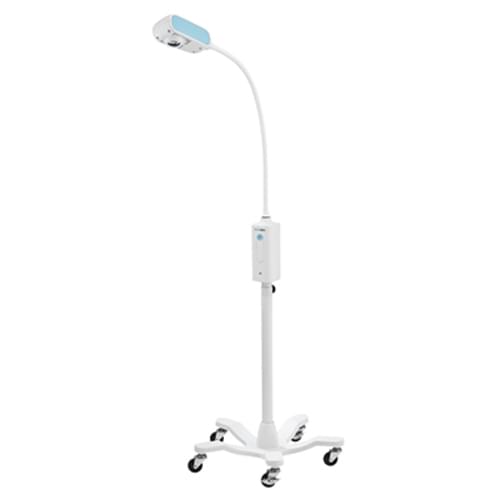
Surgo Recommends: Welch Allyn GS-300 Led General Exam Light on Mobile Stand
The GS 300 Exam Light delivers a bright, white LED light that enhances tissue color rendition and consumes less energy than traditional halogen, improving both facility efficiency and cost of ownership. Designed to enhance patient exams while reducing environmental impact, the Green Series Lights offer intense, cool light output with rugged performance at an affordable price. With multiple mounting options to save floor space, easy assembly and cleaning for improved staff productivity, and touchless On/Off to reduce cross-contamination risks, the LED’s 50,000-hour lifespan ensures long-term value for any facility.
Surgo Recommends: Welch Allyn Green Series Exam Light IV Table/Wall Mount
Ideal for OB/GYN offices and specialties requiring focused illumination, the GS Exam Light IV offers three times the typical light output with a highly flexible light pipe that is twice as long as standard options. Its compact, unobtrusive head ensures pinpoint accuracy and true tissue color rendition during exams. Utilizing energy-efficient white LEDs, this light provides a brighter, whiter illumination than halogen while reducing overall energy consumption and maintenance costs due to the absence of bulb replacements. Additional features include touchless On/Off functionality, multiple mounting options for optimal floor space usage, and a disposable sheath to minimize cross-contamination risks, making the GS Exam Light IV a practical and efficient choice for any clinical setting.
Other Exam Room Essentials
Beyond core furniture and lighting, several additional elements are essential for creating a fully functional and compliant exam room. Wall-mounted diagnostic systems or rails can help organize frequently used tools while freeing up floor space. Privacy curtains or screens are critical for maintaining patient dignity during examinations and procedures. Proper waste management solutions, including regular and biohazard disposal containers, are necessary to meet infection control standards.
Storage solutions such as wall cabinets, base cabinets, and mobile carts play a key role in keeping supplies accessible yet organized, reducing clutter and improving workflow efficiency. A small workstation or counter for charting, whether paper-based or electronic, allows providers to document care without leaving the room. Finally, accessories like glove dispensers, paper towel holders, and hand hygiene stations contribute to a safer and more efficient clinical environment.
Tips for Arranging an Efficient Exam Room
An effective exam room layout prioritizes accessibility, movement, and patient comfort. The exam table should be positioned to allow providers to work from either side, with adequate clearance for mobility aids when needed. Frequently used items should be stored within arm’s reach to minimize unnecessary movement and interruptions. Provider seating should allow for smooth transitions between the patient, exam table, and workstation.
Lighting should be adjustable and positioned to eliminate shadows during exams, while patient seating should be placed where it does not obstruct workflow. Keeping pathways clear and surfaces uncluttered not only improves efficiency but also enhances the perception of cleanliness and professionalism.
Creating a Comfortable and Functional Space
Equipping an exam room with the right furniture and accessories is a critical investment in both patient care and provider efficiency. Thoughtfully selected exam tables, stools, seating, lighting, and storage solutions work together to support accurate examinations, streamline workflows, and create a more comfortable experience for patients. By focusing on functionality, durability, and thoughtful layout, healthcare facilities can ensure their exam rooms meet clinical demands while maintaining a welcoming, well-organized environment.
Equipping an exam room with the right furniture is crucial for fostering an environment that is both efficient and welcoming for patients and healthcare providers. The choice of furniture not only impacts the workflow of medical professionals but also influences the comfort and experience of patients during their visit. This guide will walk you through the essential pieces of furniture needed to create a fully functional exam room, including exam tables, chairs, and storage units. Additionally, we will provide tips on how to arrange these pieces for maximum efficiency and comfort, ensuring that healthcare providers can perform their duties seamlessly while patients feel at ease in a well-organized and inviting space.
What Are The Essential Furniture Items For An Exam Room?
The essential furniture items for an exam room include an exam table, which serves as the central piece for patient assessments, and a comfortable chair or stool for the healthcare provider to sit on during examinations. Storage cabinets or shelving units are necessary for organizing medical supplies, while a desk or counter provides space for charting and documentation. A waste disposal unit, often with biohazard containers, is critical for maintaining cleanliness. Additionally, patient seating and privacy curtains contribute to patient comfort and privacy during visits. Together, these items create an efficient and functional exam room.
Examination Tables
When considering exam tables, it is important to select models that offer both functionality and comfort. Adjustable exam tables that feature easy-to-use height and position controls can accommodate different patient needs and assist healthcare providers in performing examinations effectively. Additionally, exam tables with integrated storage for medical supplies can streamline workflow by keeping essential tools within arm's reach. Opting for tables with durable, yet comfortable, padding further enhances the patient's experience, making their visit as pleasant as possible. These considerations, coupled with a focus on quality and reliability, ensure that exam tables contribute positively to the overall environment of the exam room.
Surgo Recommends: Brewer Versa Manual Exam Table
The Versa exam table offers adaptability and cost-effectiveness to meet the evolving needs of your practice. Its standard model delivers a new level of quality and efficiency, making it ideal for most healthcare settings. The stable cushioned platform, with a 500lb weight capacity, comfortably supports patients of all sizes, while the large, sturdy step with an anti-slip surface enhances patient safety. Multi-position patient assist handles provide added security and support for self-positioning. The easy-to-connect, removable upholstery top comes in a standard adult size, with an option to upgrade to pediatric sizes as needed, ensuring the table adapts to the demands of your facility. With ergonomic stirrups, this table is designed to maximize both patient comfort and practitioner efficiency.
Surgo Recommends: UMF FusionONE+ Power Exam Tables
The UMF FusionONE+ Power Exam Table is designed to ensure ADA-compliant access, making examinations easier for patients of all ages and abilities. Its power backrest allows seamless patient positioning for enhanced comfort and safety during treatments. Key features include effortless adjustability with power hi-lo and backrest functions controlled by a foot pedal, as well as convenient storage with a large reversible side drawer and front drawer. The integrated paper roll holder, durable galvanized steel construction, and removable, seamless upholstered top with PreFixx® Protective Finish ensure durability, hygiene, and ease of maintenance. Additionally, the heavy-gauge steel pull-out leg extension and adjustable foldaway stirrups enhance patient comfort and versatility for various procedures. The FusionONE+ offers healthcare providers a high-quality, cost-efficient solution to elevate the patient experience and optimize care.
Medical Stools
Selecting the right stool for an exam room is pivotal in balancing comfort, mobility, and durability, which collectively support a seamless workflow. Healthcare providers often require stools that are height-adjustable, ensuring ergonomic support during patient examinations and procedures. Options range from basic models with simple height adjustments to more advanced designs featuring cushioned seats, backrests, and 360-degree swivel capabilities that enhance accessibility and ease of movement. Stools equipped with smooth-rolling casters contribute to a dynamic and adaptable work environment, facilitating quick transitions between tasks. Opting for stools with easy-to-clean materials is essential to uphold strict sanitation standards, ultimately contributing to a safe and efficient medical practice.
Surgo Recommends: Ritter 272 Adjustable Stool No Back
The Ritter 272 Adjustable Stool No Back offers unmatched stability, simplicity, and ergonomic support, making it ideal for busy healthcare settings. Its robust five-leg, star-shaped base ensures stability and smooth mobility, while the pneumatic seat height adjustment allows for easy customization between 18" to 24.5" for optimal comfort. With a 300 lb weight capacity, this durable stool is designed to accommodate a variety of users. The stool’s air lift lever provides effortless height control, and its 23" caster base enables smooth movement across different floor types. Designed for both functionality and style, the Ritter 272 enhances efficiency in any clinical environment.
Surgo Recommends: Ritter 273 Stool With Back
The Ritter 273 Air Lift Stool With Back offers exceptional comfort, stability, and ergonomic support for healthcare professionals. Designed by Midmark, it features a sturdy five-leg, star-shaped caster base that ensures secure mobility and positioning during patient care. The supportive backrest promotes better posture, reducing strain during long hours of use. Its pneumatic seat height adjustment ranges from 18" to 24.5", allowing for easy customization. With a 225 lb weight capacity and a 23" caster base, the Ritter 273 is built for daily use in demanding clinical environments, making it an essential tool for both comfort and efficiency.
Waiting Room Chairs
Choosing patient chairs for an exam room requires careful consideration of comfort, accessibility, and durability to ensure a positive patient experience and enhance overall clinic efficiency. Chairs should offer adequate support through ergonomic design, accommodating individuals of varying sizes and mobility levels. Opt for models with plush yet firm cushioning and armrests to promote comfort during wait times or consultations. It is also vital to choose chairs constructed from high-quality, easy-to-clean materials that meet strict hygiene standards. Variability in design, including options with higher weight capacities or different styling, allows for customization according to specific patient demographic needs and aesthetic preferences. By prioritizing these aspects, healthcare facilities can foster a welcoming and inclusive environment conducive to patient satisfaction.
Surgo Recommends: Brewer Side Chairs
The Brewer Side Chair Series is designed to elevate any healthcare setting, from exam rooms to waiting areas, by providing both comfort and functionality. Each chair supports up to 250 lbs, offering stability for a wide range of users, and comes with a 5-year warranty, ensuring long-lasting durability. The kick-out back legs prevent wall damage, while the steel tube frame adds resilience for high-traffic areas. Optional plastic armrests offer customization, and the black plastic backrest shroud aids in easy cleaning and wall protection. With seamless upholstery, these chairs are hygienic and easy to maintain, ideal for healthcare environments.
Surgo Recommends: Ritter 282 Side Chair
The Ritter 282 Side Chair combines style, comfort, and durability to enhance any clinical environment. With its contoured, upholstered seat and back, it offers exceptional comfort for patients, whether in waiting areas or during consultations. Built with a sturdy, powder-coated black steel tube frame and leveling feet, it ensures stability on uneven surfaces, supporting up to 650 lbs for inclusive seating. The adjustable feet feature a wall-saver design to prevent damage, while multiple upholstery color options allow for customization. The Ritter 282 seamlessly integrates into healthcare settings, offering both functionality and comfort.
Exam Room Lighting
Choosing patient chairs for an exam room requires careful consideration of comfort, accessibility, and durability to ensure a positive patient experience and enhance overall clinic efficiency. Chairs should offer adequate support through ergonomic design, accommodating individuals of varying sizes and mobility levels. Opt for models with plush yet firm cushioning and armrests to promote comfort during wait times or consultations. It is also vital to choose chairs constructed from high-quality, easy-to-clean materials that meet strict hygiene standards. Variability in design, including options with higher weight capacities or different styling, allows for customization according to specific patient demographic needs and aesthetic preferences. By prioritizing these aspects, healthcare facilities can foster a welcoming and inclusive environment conducive to patient satisfaction.
Surgo Recommends: Welch Allyn GS-300 Led General Exam Light on Mobile Stand
The GS 300 Exam Light delivers a bright, white LED light that enhances tissue color rendition and consumes less energy than traditional halogen, improving both facility efficiency and cost of ownership. Designed to enhance patient exams while reducing environmental impact, the Green Series Lights offer intense, cool light output with rugged performance at an affordable price. With multiple mounting options to save floor space, easy assembly and cleaning for improved staff productivity, and touchless On/Off to reduce cross-contamination risks, the LED’s 50,000-hour lifespan ensures long-term value for any facility.
Surgo Recommends: Welch Allyn Green Series Exam Light IV Table/Wall Mount
Ideal for OB/GYN offices and specialties requiring focused illumination, the GS Exam Light IV offers three times the typical light output with a highly flexible light pipe that is twice as long as standard options. Its compact, unobtrusive head ensures pinpoint accuracy and true tissue color rendition during exams. Utilizing energy-efficient white LEDs, this light provides a brighter, whiter illumination than halogen while reducing overall energy consumption and maintenance costs due to the absence of bulb replacements. Additional features include touchless On/Off functionality, multiple mounting options for optimal floor space usage, and a disposable sheath to minimize cross-contamination risks, making the GS Exam Light IV a practical and efficient choice for any clinical setting.
Other Exam Room Essentials
Beyond core furniture and lighting, several additional elements are essential for creating a fully functional and compliant exam room. Wall-mounted diagnostic systems or rails can help organize frequently used tools while freeing up floor space. Privacy curtains or screens are critical for maintaining patient dignity during examinations and procedures. Proper waste management solutions, including regular and biohazard disposal containers, are necessary to meet infection control standards.
Storage solutions such as wall cabinets, base cabinets, and mobile carts play a key role in keeping supplies accessible yet organized, reducing clutter and improving workflow efficiency. A small workstation or counter for charting, whether paper-based or electronic, allows providers to document care without leaving the room. Finally, accessories like glove dispensers, paper towel holders, and hand hygiene stations contribute to a safer and more efficient clinical environment.
Tips for Arranging an Efficient Exam Room
An effective exam room layout prioritizes accessibility, movement, and patient comfort. The exam table should be positioned to allow providers to work from either side, with adequate clearance for mobility aids when needed. Frequently used items should be stored within arm’s reach to minimize unnecessary movement and interruptions. Provider seating should allow for smooth transitions between the patient, exam table, and workstation.
Lighting should be adjustable and positioned to eliminate shadows during exams, while patient seating should be placed where it does not obstruct workflow. Keeping pathways clear and surfaces uncluttered not only improves efficiency but also enhances the perception of cleanliness and professionalism.
Creating a Comfortable and Functional Space
Equipping an exam room with the right furniture and accessories is a critical investment in both patient care and provider efficiency. Thoughtfully selected exam tables, stools, seating, lighting, and storage solutions work together to support accurate examinations, streamline workflows, and create a more comfortable experience for patients. By focusing on functionality, durability, and thoughtful layout, healthcare facilities can ensure their exam rooms meet clinical demands while maintaining a welcoming, well-organized environment.
